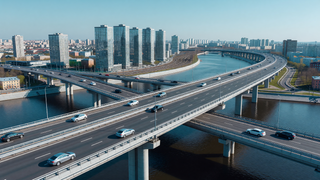
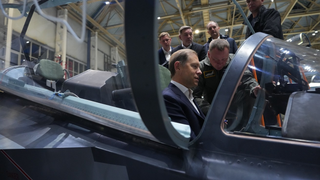
The Moscow Metro is taking a decisive step towards fully automatic driverless operation. As reported by the city administration, by 2030, a system for detecting falls onto the tracks will be operational on the Bolshaya Koltsevaya Line (BKL), capable of detecting any object on the rails within one second.
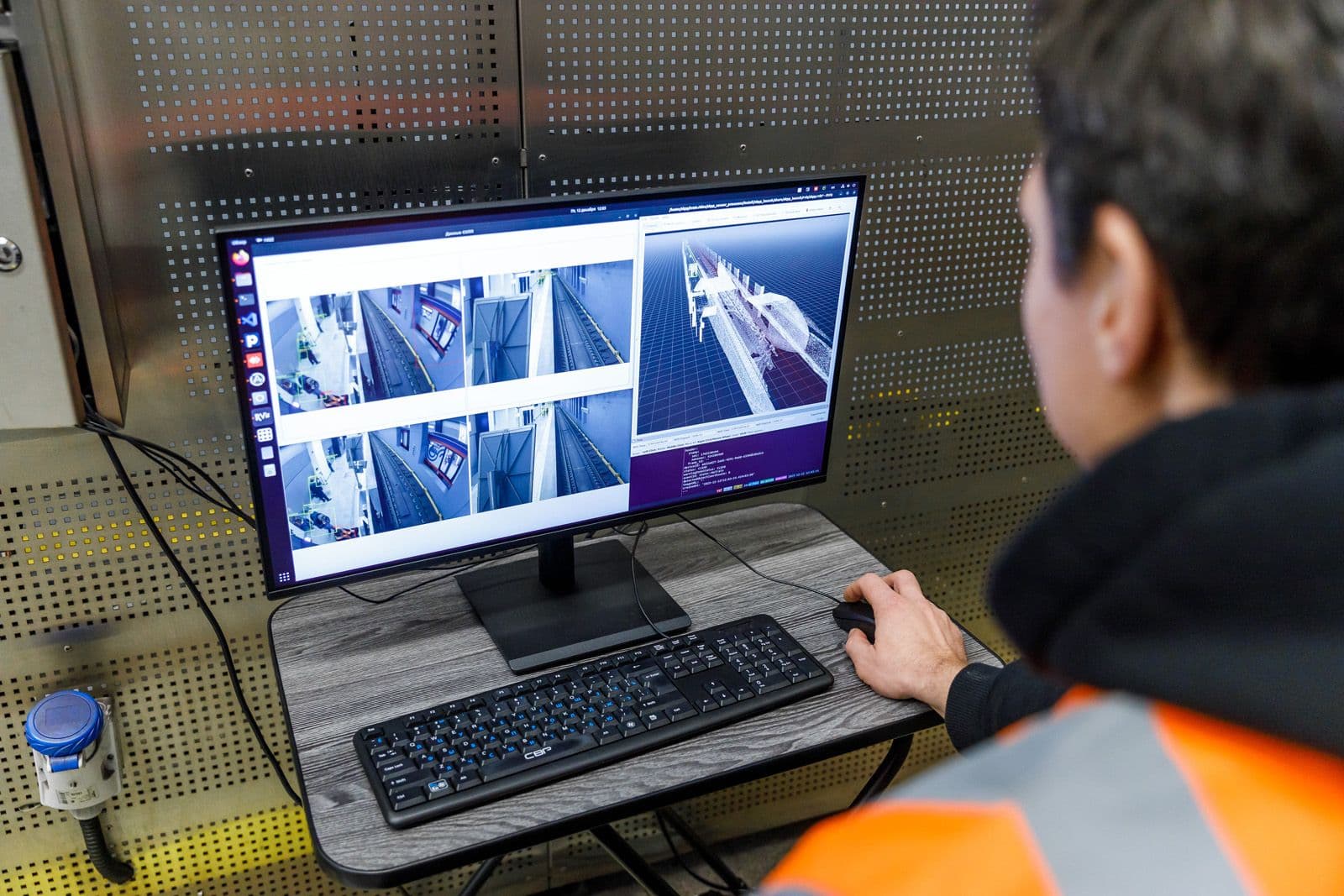
The technology was developed by specialists from the Moscow Metro's Center for Research and Development of Unmanned Transport. A combination of a video camera, lidar, and a sensor system is being installed above the tracks, which instantly recognizes the space and detects the presence of objects. The signal is sent via a secure channel simultaneously to the train's systems and the dispatch center, and the train automatically stops before the obstacle. Currently, the system is being piloted at Pechatniki station, and by the end of the decade, it will cover all 29 BKL stations.
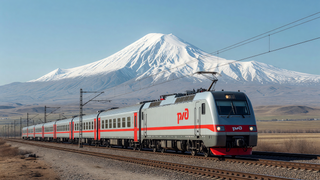
This is not just an insurance against accidents, but a critical element for allowing driverless trains into passenger service. A driverless metro train has been undergoing testing without passengers since January 2026, with full launch planned for 2027. The country's first driverless tram has been carrying passengers in Moscow since October 2025. Now, the BKL is set to become the first line operating as a single driverless complex, where automation is responsible for both movement and platform safety.
Read more on the topic:
Never miss our newsAdd this site to your preferred sources to see us more oftenAdd on Google