Researchers at Kazan State Agrarian University, in collaboration with Tupolev Kazan National Research Technical University (KNITU-KAI) and the Institute of Mechanics and Engineering of the Kazan Scientific Center of the Russian Academy of Sciences, developed mathematical models that make it possible to determine optimal tractor operating modes for various soil types. Their development could lead to fuel savings of up to 30% when performing maneuvers.
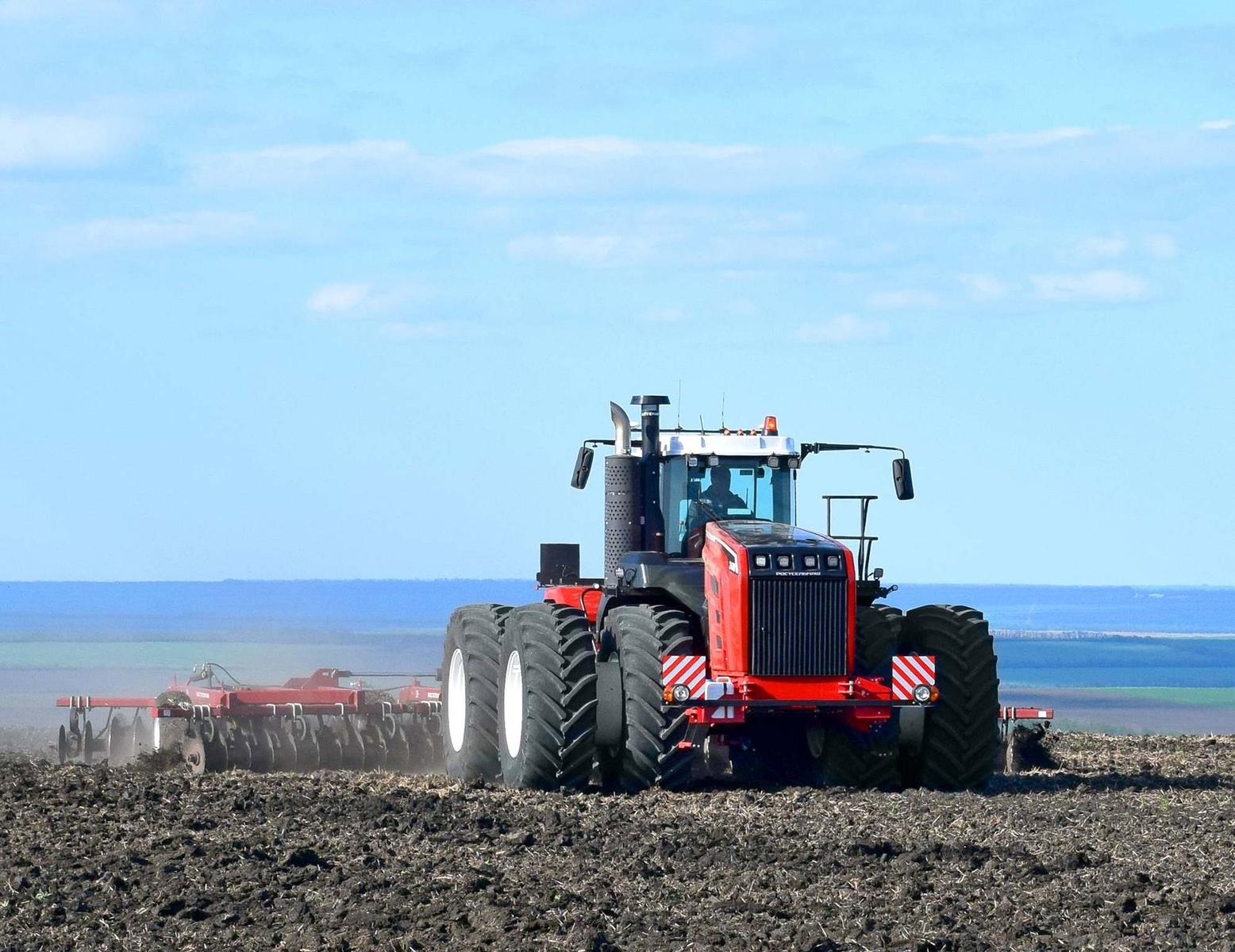
We established quantitative relationships between soil properties and tractor operating modes. The resulting correlations make it possible to assess the influence of agrophysical soil properties on the energy efficiency of units and can be used in the development of automated control systems for agricultural machinery.
During field tests, specialists studied tractor operation on the three main agricultural backgrounds of the Middle Volga region: compacted plowing, a freshly plowed field, and stubble. For each soil type, its own optimal loads were calculated: 6.9 kilonewtons for compacted plowing, 6.6 kilonewtons for a freshly plowed field, and 5.9 kilonewtons for stubble.
Doctor of Technical Sciences, leading researcher at the Institute of Mechanics and Engineering of the Federal Research Center Kazan Scientific Center of the Russian Academy of Sciences, Vladimir Fedyaev, stated that the introduction of automated tractor control systems with sensors that determine soil type will allow machinery to automatically select the most economical and efficient operating mode.
Read more materials on the topic:
- BELARUS 1222.3 went through an \"icy apocalypse\" at MTZ — the engine started instantly
- An unmanned control system for the \"Dontekh\" tractor is being created at Moscow Polytechnic
- Tractors and combines in Russia will now be registered under new rules: what will change from 2026?
Never miss our newsAdd this site to your preferred sources to see us more oftenAdd on Google