North Korea maintains large stockpiles of Soviet S-75 family anti-aircraft missiles, which can be used to enhance strike capabilities. This opinion was expressed by Vladimir Khrustalev, an expert on the military-industrial complex and nuclear weapons of North Korea.
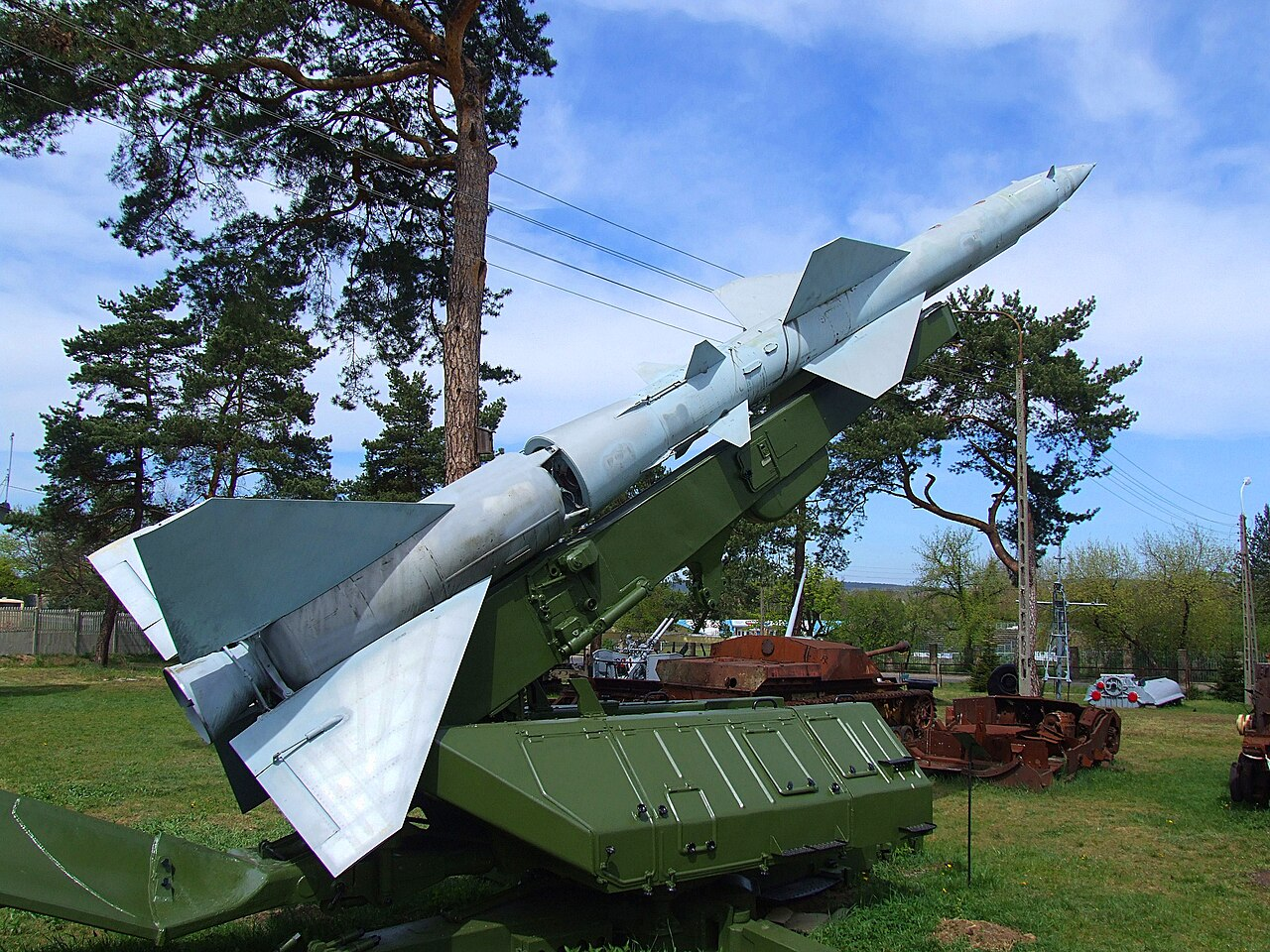
He recalled that North Korea received 38 SA-75M "Dvina" complexes, 3 S-75M3 "Volga" complexes, and more than 1,300 missiles from the USSR. Additional deliveries of HQ-2 systems were carried out by China. In the 1970s, with the assistance of the USSR, a repair enterprise was created in the country to service complexes and ammunition.
These systems are not suitable as real SAMs. But the missiles themselves for this complex have quite decent energy, and even outside of air defense tasks, they can be very useful.
For example, in Russia, RM-75 target missiles have already been created on their base, and in China, Iran, and Yemen, similar products have been converted into ballistic missiles with a range of up to 350 km.
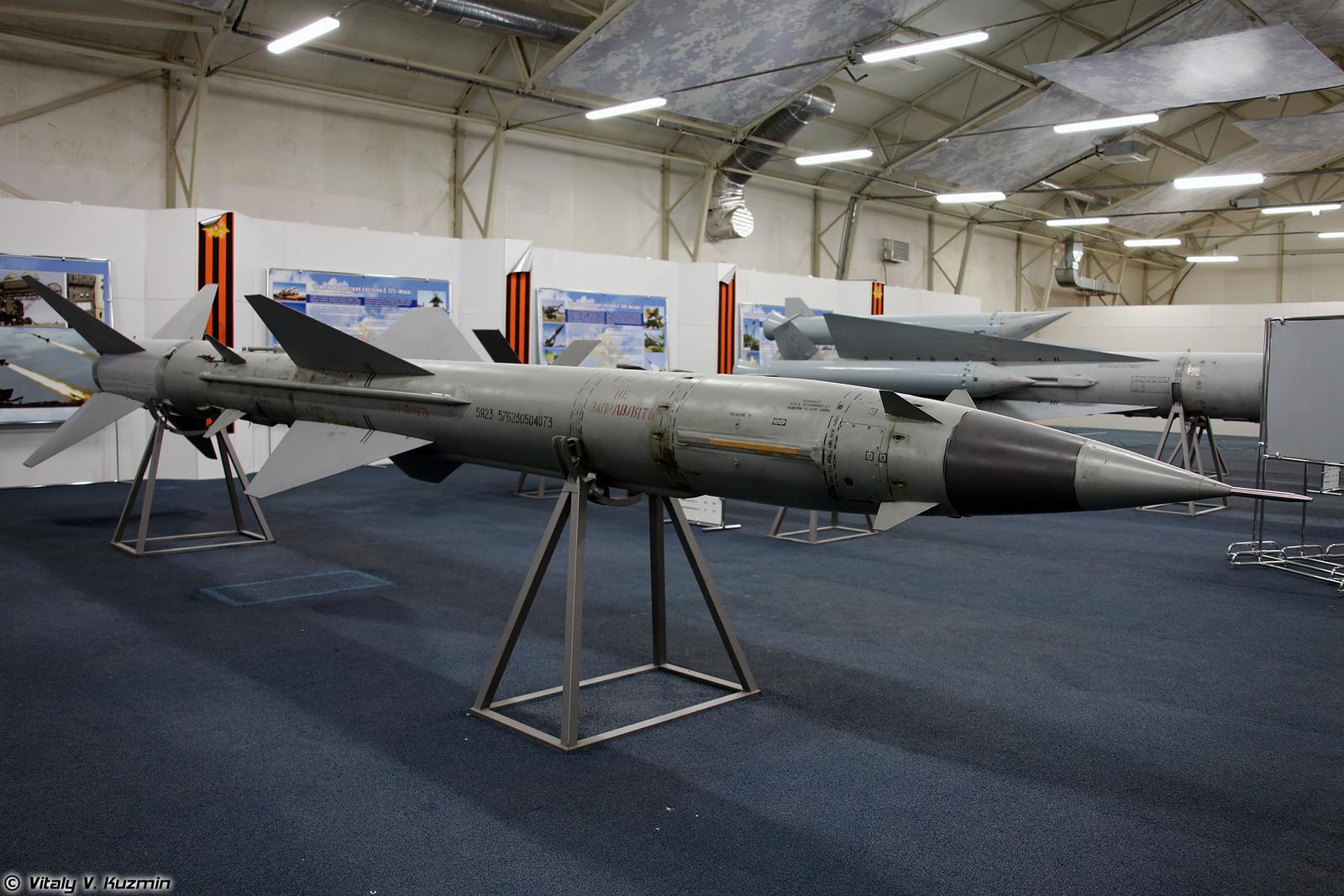
According to the expert, North Korea has preserved launchers, equipment, and specialists with practical experience in operation. This makes it possible, if necessary, to organize the modernization of stocks.
The use of converted North Korean anti-aircraft missiles as "cheap ballistic missiles for air defense and missile defense saturation" seems quite appropriate.
Khrustalev added that missiles from the S-75 can be launched simultaneously with operational-tactical missiles, creating a complex target environment.
Read more materials on the topic:
Never miss our newsAdd this site to your preferred sources to see us more oftenAdd on Google

















