Translated with AI from the Russian original.
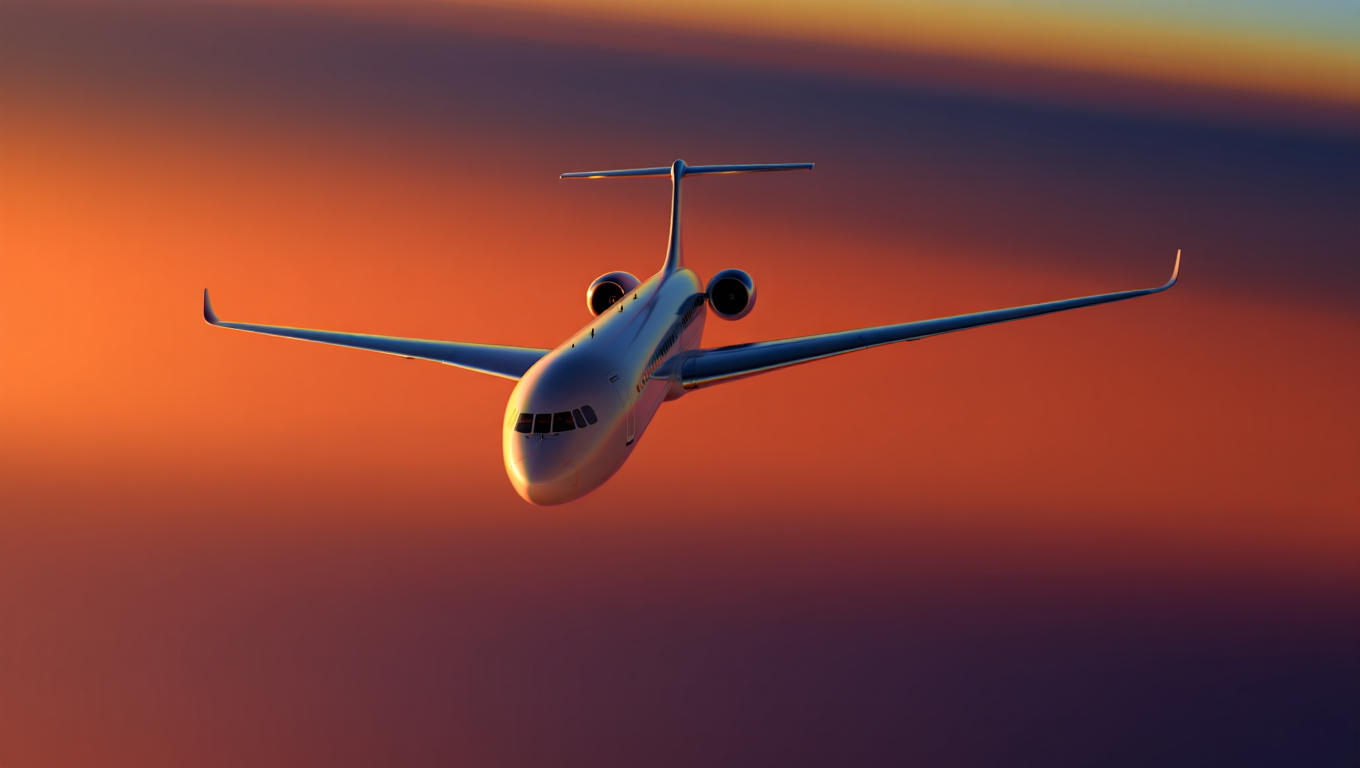
Russian engineers have developed a promising mainline aircraft with a unique hybrid power plant configuration. The aircraft is proposed to be equipped with two nacelles with turbofan engines (TFEs) and electric ducted fan engines installed on top in the rear of the wing, the patent was published in the FIPS database.
The tail is made with a T-tail, and all nacelle surfaces are smoothly integrated with the wing and fuselage - there are no pylons.
The TFEs are located at the junction of the wing and fuselage, and the electric motors are located under them in the wings. Perforation is made on the wing surface, supplying air to the electric motors from the wing boundary layer, which eliminates flow separation and ensures gas-dynamic stability of the power plant in cruise mode.
This configuration reduces noise in the area, protects the engines from foreign object damage from the runway, and reduces external aerodynamic drag by eliminating pylons and reducing the wetted surface.
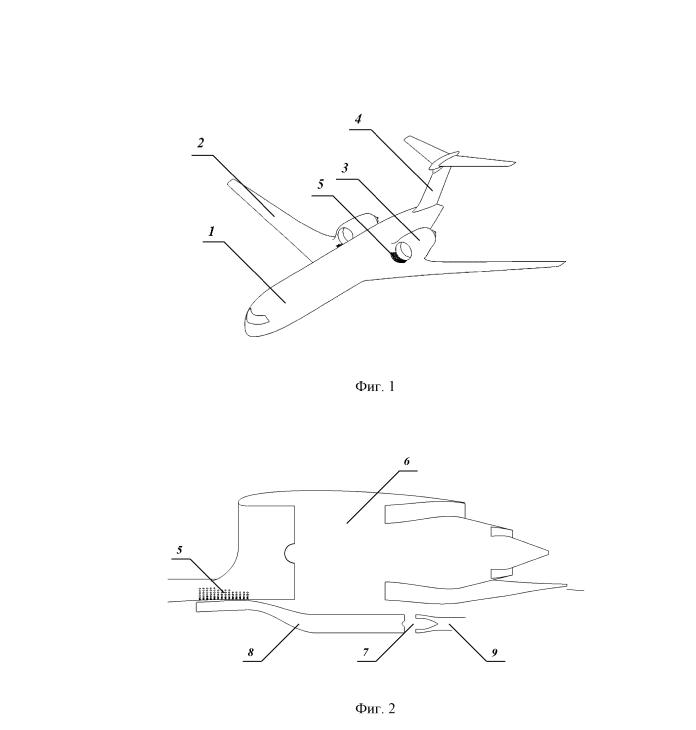
The use of a hybrid power plant consisting of a TFE and EDF in the claimed version of the mainline aircraft completely eliminates the formation of separated flow in the area of the air intake.
Turbofan engines are used for main thrust and acceleration, electric engines are used to stabilize the flow and reduce noise and aerodynamic losses. Integrating the TFE into the wing without pylons reduces the pitching moment created by the reactive force.
Andrey Kozlov, General Director of the Central Institute of Aviation Motor Engineering named after P. I. Baranov (CIAM), predicted that the first supersonic aircraft in Russia may appear no earlier than the 2040s. He also stated that Russia is three years ahead of the United States in developing an engine for supersonic civil aviation.
Read more materials on the topic:
- "Dark cabin", cameras and AI: details of a supersonic aircraft in Russia revealed
- From drawings to reality: Ministry of Industry and Trade invests 13.44 billion rubles in the development of promising aircraft
- Russian supersonic aircraft to be: the main requirements for an innovative aircraft are named
Never miss our newsAdd this site to your preferred sources to see us more oftenAdd on Google

















