Translated with AI from the Russian original.
ZALA T-16 unmanned systems, involved in monitoring fuel and energy complex facilities in the Far North, have successfully passed tests in conditions of extreme geomagnetic activity. The operators of the devices regularly record not only the technical parameters of the infrastructure, but also rare natural phenomena - including intense auroras, indicating high solar activity.
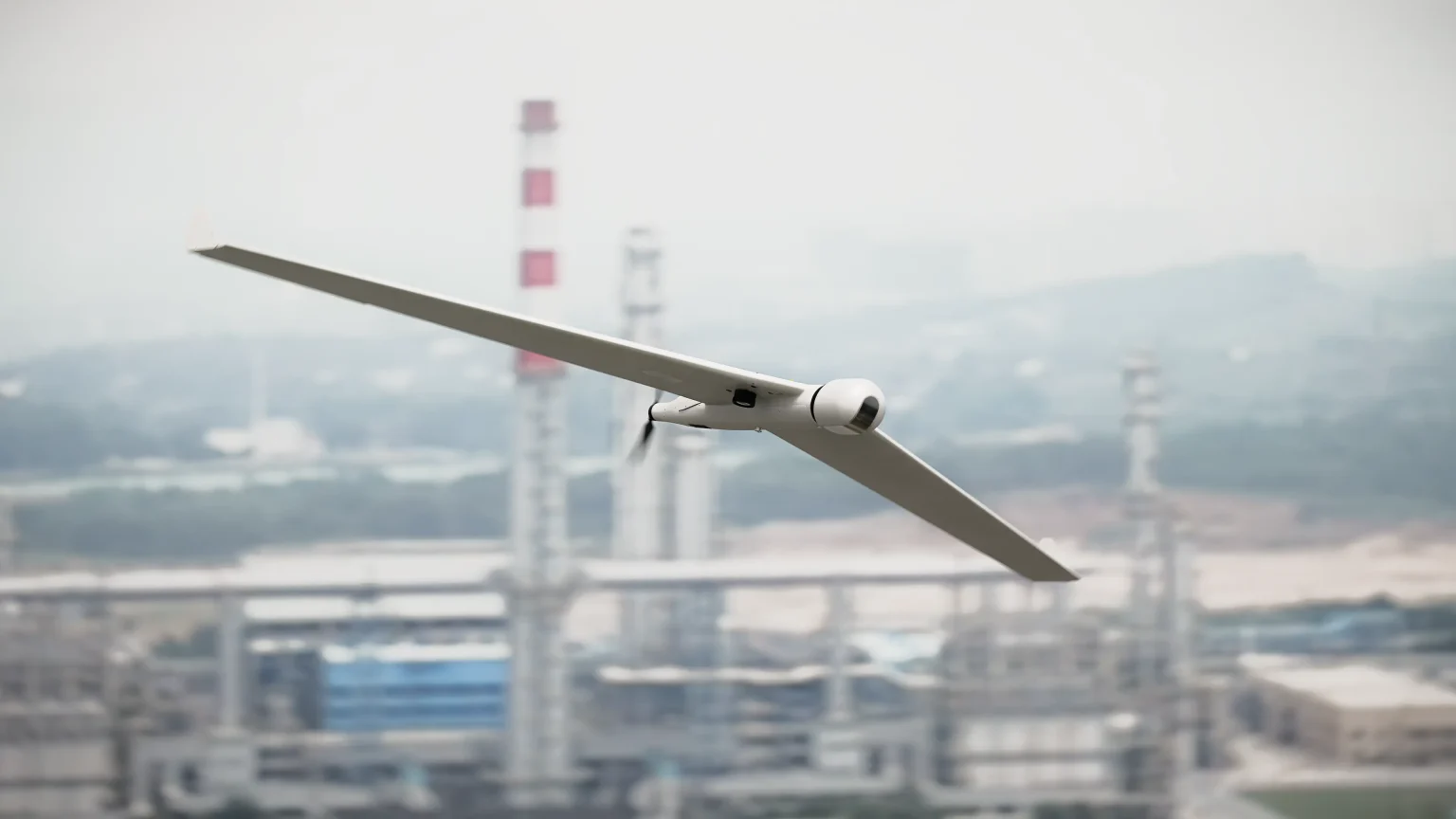
According to scientists' forecasts, 2025 will mark the peak of the 25th solar cycle, which leads to more frequent magnetic storms and a serious impact on radio-electronic systems. Despite this, ZALA T-16 maintains stable communication and navigation even during periods of the strongest geomagnetic disturbances.
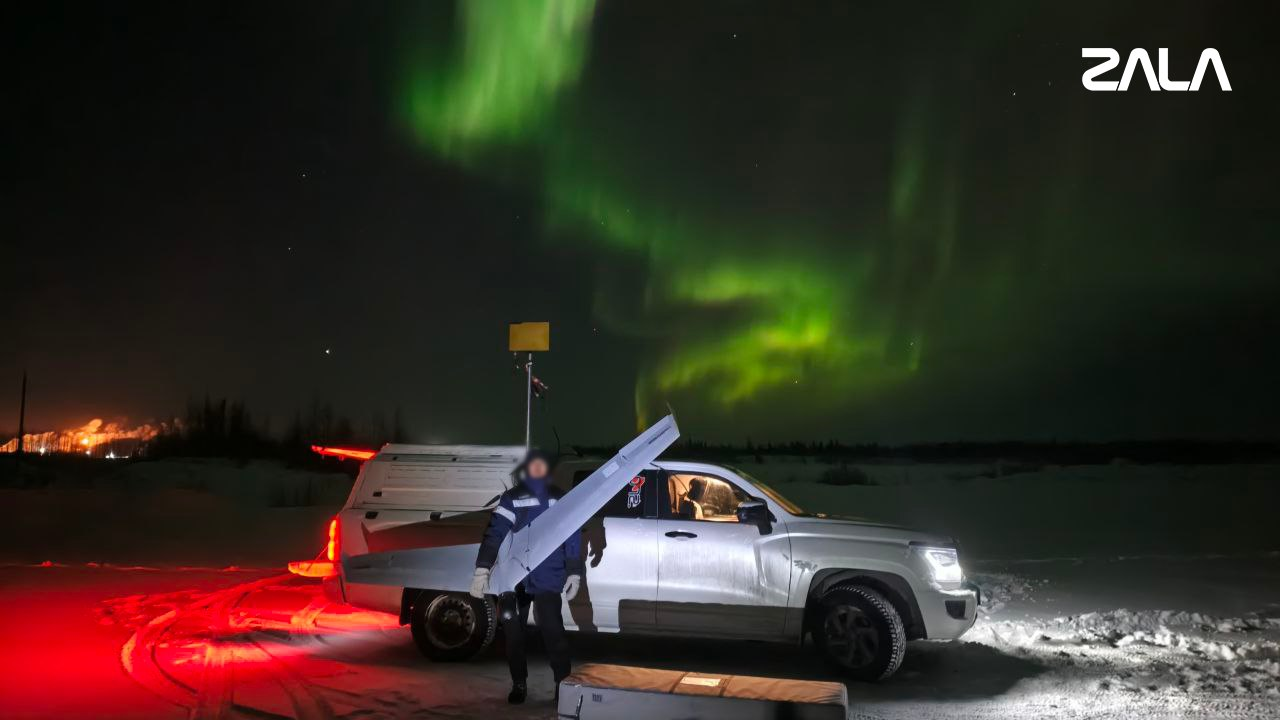
A key role in the stability of the device is provided by a jam-resistant control channel with a range of up to 100 km, as well as the use of alternative navigation technologies. Thanks to this, the drone continues to perform tasks even with temporary unavailability of GNSS signals - a situation typical for high latitudes during solar flares.
Read more on the topic:
- ZALA Company Implemented FPV Threat Evasion in its Z-16 Drone - Operator Confirmed in Practice
- ZALA Company to Present the Upgraded Lancet-E at Dubai Airshow 2025
- You Won't Be Able to Fool Them: ZALA Scouts Taught to Distinguish M777 Howitzers from Mock-ups
Never miss our newsAdd this site to your preferred sources to see us more oftenAdd on Google

















