Specialists from UEC-Saturn (part of the United Engine Corporation of the Rostec State Corporation) have created a new technology for manufacturing lightweight and durable parts for the PD-8 aircraft engine. Engineers have developed a method for producing aggregate elements from carbon fiber and manufacturing compressor panels from it.
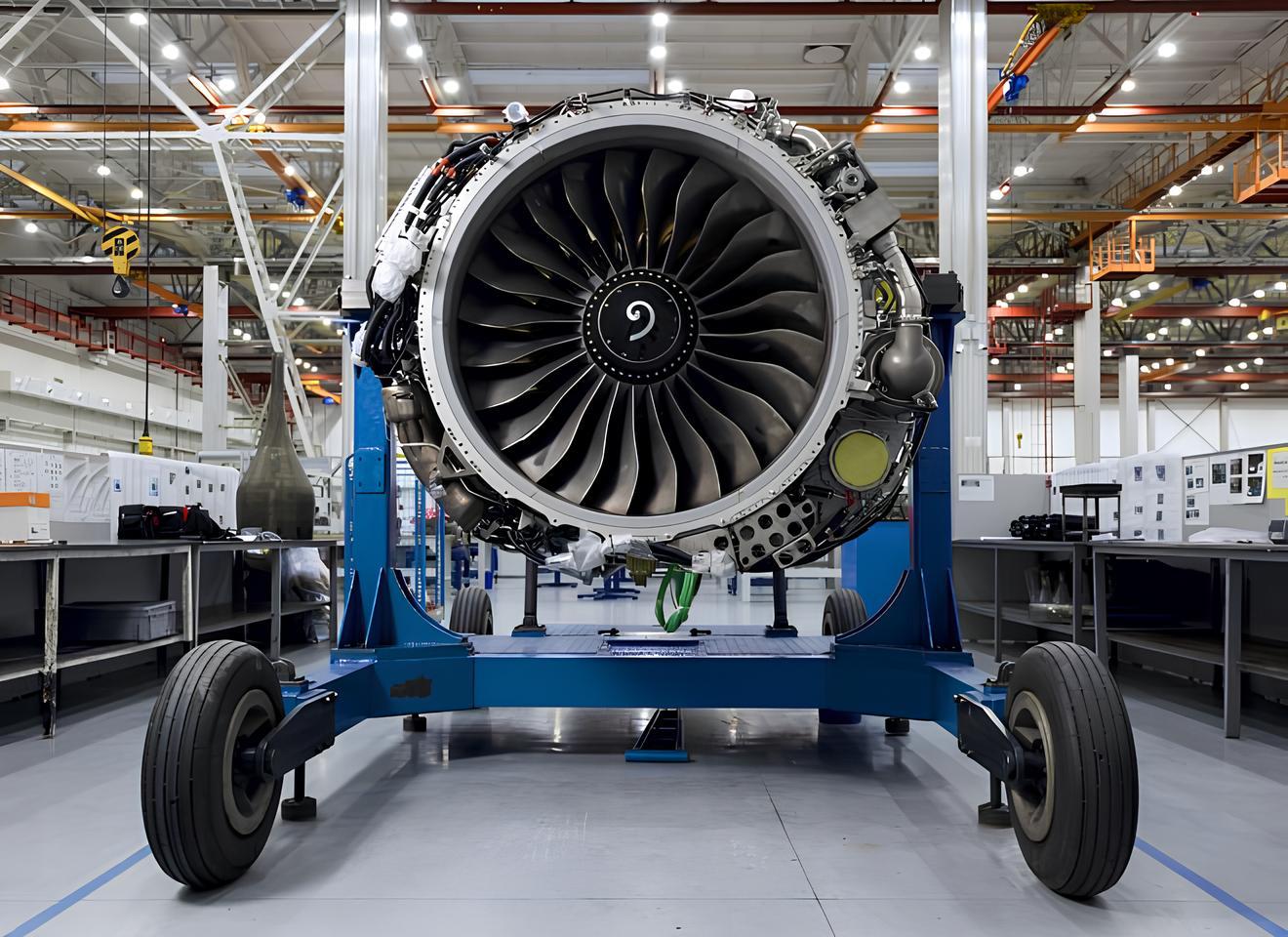
The technology is based on domestic VKU-65 carbon fiber, created from polyether ether ketone and carbon fabric at the NRC "Kurchatov Institute" - VIAM.
VKU-65 became the second material in Russia allowing the manufacture of elements from polymer composite materials by thermoforming. The technology has advantages both in terms of accuracy and in accelerating the production cycle. The introduction of such parts will reduce the weight of the engine, which will increase its fuel efficiency and reduce the cost of the life cycle.
For the manufacture of parts, the thermoforming method is used: the consolidated material is placed in an infrared furnace and heated to the melting point of the binder. Then the plate is pressed to give shape. This method allows you to effectively obtain a part of equal thickness with high accuracy.
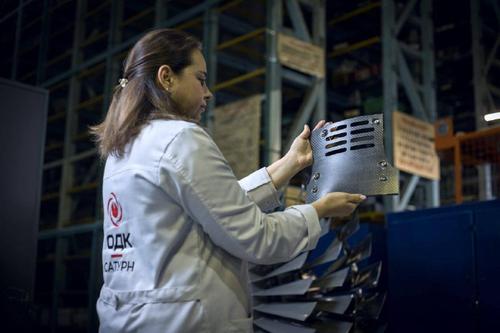
The implementation of the project made it possible to significantly reduce the cycle of manufacturing parts, create and implement into mass production technologies and equipment that meet foreign analogues in terms of quality and processing accuracy.
The Rostec State Corporation showedunique footage of the production process of parts for the PD-8 aircraft engine for the SJ-100. The video captured the 3D printing process of the oil sump, an important element of the power plant's oil system.
Earlier,www1.ru reported thathalf a billion rubles were recovered from the manufacturer of PD-8, PD-15 and PD-35 aircraft engines.
Read more materials:
Never miss our newsAdd this site to your preferred sources to see us more oftenAdd on Google

















