The State Duma has adopted in the second reading a bill on the introduction from September 1, 2026, of a technology fee for companies importing or producing products with an electronic component base.
According to Deputy Minister of Finance Alexei Sazanov, the budget will receive about 218 billion rubles from the new fee in 2026-2028.
Already in the first four months of the measure - about 20 billion, then 88 billion in 2027 and about 110 billion rubles - in 2028.
What the Technology Fee Implies
According to document No. 1026190-8, the fee will be charged for the import or production of electronics and equipment with an electronic component base (ECB).
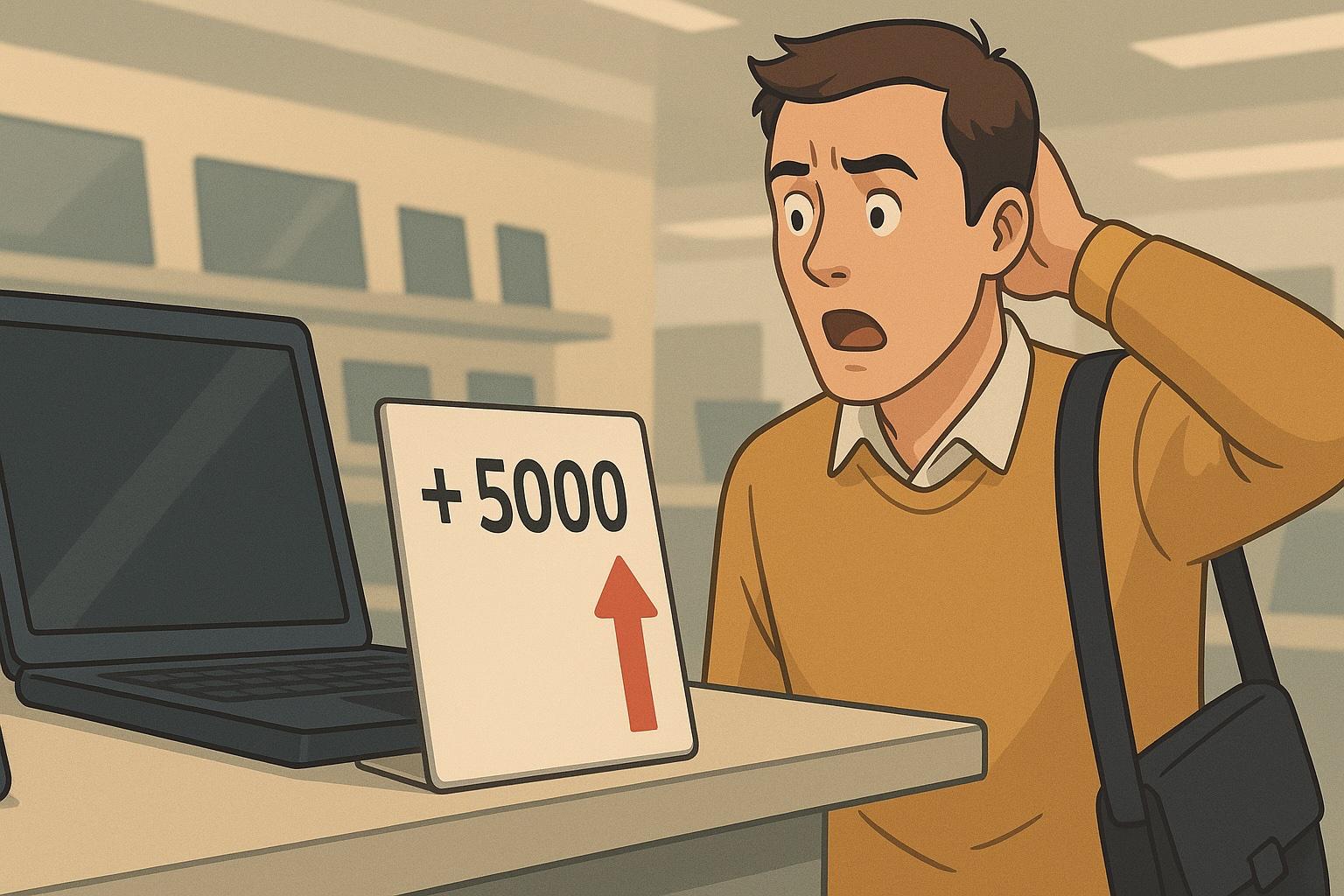
The maximum amount will be 5,000 rubles per unit of goods, and the specific rates will be determined by the government. Manufacturers and importers will become payers, regardless of the degree of localization.
The introduction will be phased: first, the fee will affect finished devices - laptops, smartphones, lighting products, later - electronic components and modules. In fact, this is an analogue of the automotive recycling fee, but for electronics.
Why is a Technology Fee Needed
According to representatives of the Ministry of Industry and Trade, the new measure was developed to finance the development of the radio-electronic and microelectronic industry in Russia.
The funds will be directed to state funds that will deal with import substitution and the creation of a domestic element base.
The department emphasizes: the fee will strengthen the technological sovereignty of the country and reduce dependence on foreign components.
Who Will Pay the Technology Fee
Although formally companies will pay the fee, experts are sure that additional costs will be shifted to buyers. According to analysts at Forbes and INFOline, electronics may become more expensive as early as the summer of 2026 by 5-7%.
Economist Nikolai Gavrilkin compares the initiative with the automotive recycling fee.
At first, the amounts were symbolic, and now they reach a quarter of the cost of the car. There is a risk that the scenario will be repeated for technology.
Risks for the Market Due to the Technology Fee
According to entrepreneurs, the introduction of the fee will increase the gap between the "white" and "gray" market. Legal importers fear that smuggled electronics will become even more profitable, because "gray" sellers will not have additional costs.
The Association of Internet Trade Companies (AKIT) warns: without combating illegal imports of electronics, bona fide suppliers may lose competitiveness.
How Do Buyers React to the Possible Introduction of a Technology Fee
Against the background of news about the fee, Russians began to actively purchase equipment in advance.
According to Wildberries&Russ, during the November 11.11 sale, laptop sales increased by 50%, and TV sales by 35%. The overall growth of the "electronics" category amounted to 20%.
Why is the Introduction of a Technology Fee Important
- For the budget - this is a way to attract additional funds without directly increasing taxes.
- For the market - the risk of rising prices and reducing the range of legal electronics.
- For the state - a chance to finance import substitution and its own chip production.
However, experts warn: the effectiveness of the measure depends on whether the collected funds reach the industry, and do not dissolve in bureaucratic structures.
Read More Materials on the Topic:
- Technique will rise in price: the "electronic recycling fee" was developed by the Ministry of Industry and Trade
- Russians began to buy up cars against the background of a possible increase in the recycling fee
- Technique will rise in price: the "electronic recycling fee" was developed by the Ministry of Industry and Trade
Never miss our newsAdd this site to your preferred sources to see us more oftenAdd on Google