Scientists from Novosibirsk State Technical University (NSTU) have developed a method for numerical modeling of the icing process of aerodynamic surfaces. The research results will help in the design of anti-icing systems and the evaluation of the aerodynamics of aircraft and drones, the university's press service reported.
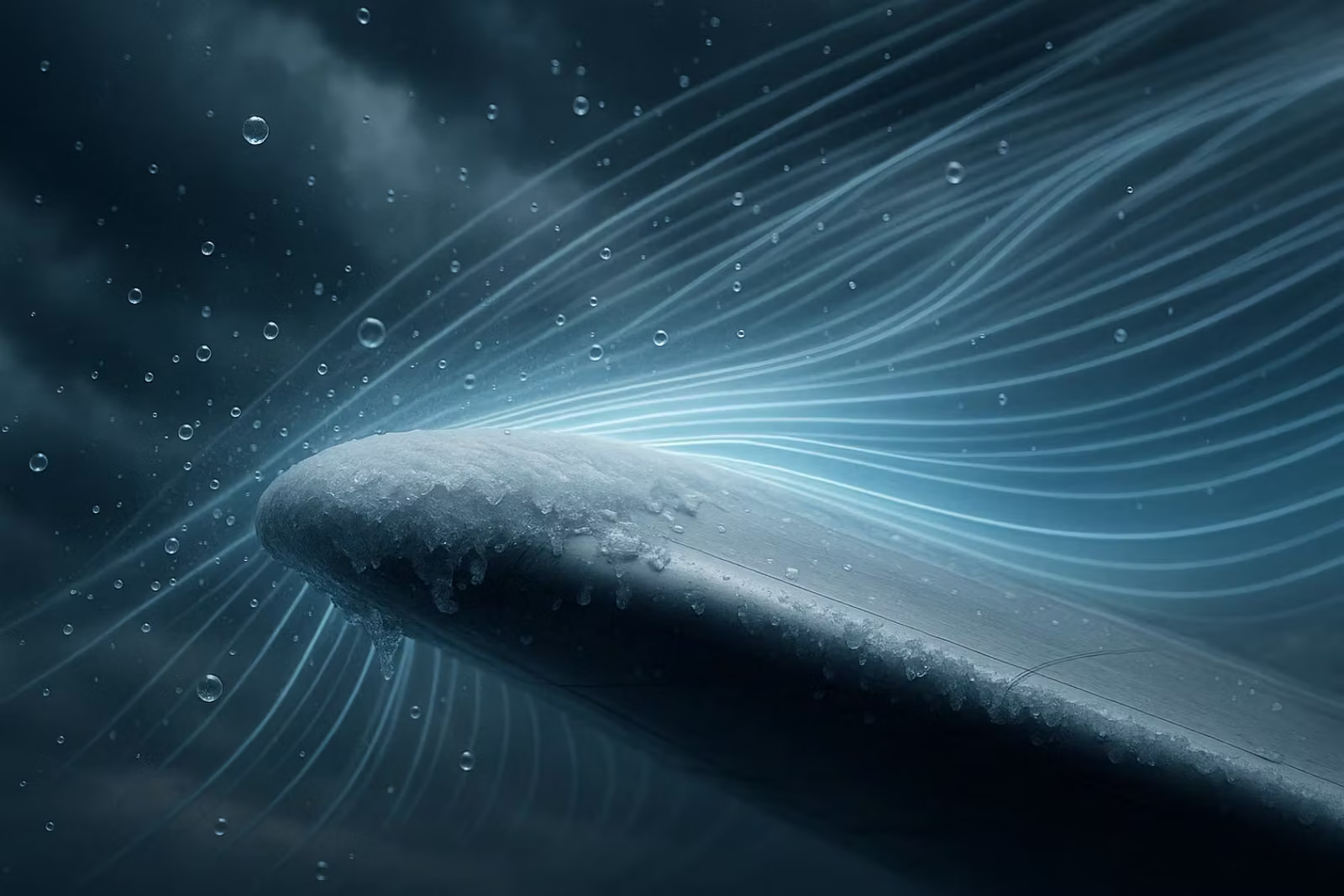
Icing is a serious problem for aviation. At low temperatures, water vapor in the air forms an ice layer on the wings and other elements of the aircraft. This reduces lift, impairs control, leads to increased turbulence and increased weight of the aircraft, which creates a threat to flight safety.
Flight tests are not always reliable, as it is impossible to predict in advance the clouds that cause icing. It is more effective to use modeling to understand the physics of the process and predict the shape of ice formations depending on flight conditions and the environment
The methodology includes several stages: first, the field of velocities, pressures and air density around the aerodynamic profile is calculated, then the trajectories of movement and deposition of water droplets are constructed, after which the shape of the ice being formed is modeled. This approach allows predicting the growth of the ice layer and its effect on the characteristics of the aircraft.
The application of the methodology goes beyond ordinary aviation. It can be used for designing anti-icing systems, evaluating the aerodynamics of drones, as well as in calculations of wind generators, tower cranes, bridges and other engineering structures susceptible to icing. This opens up opportunities for improving the safety and efficiency of operation of various technological facilities in cold climates.
Read also:
- PJSC "Yakovlev" named those responsible for the "magic of flight" of the SJ-100 aircraft
- Aerodynamics - speed support: Belarusian engineers have created a drone with record low aerodynamic drag
- "Does size matter?": why a helicopter cannot develop the same speed as an airplane
Never miss our newsAdd this site to your preferred sources to see us more oftenAdd on Google

















