Enterprises within the United Engine Corporation (UEC) are using 3D printing to create aircraft engine parts. The technology reduces the labor intensity of many operations and is effective in repairing components.
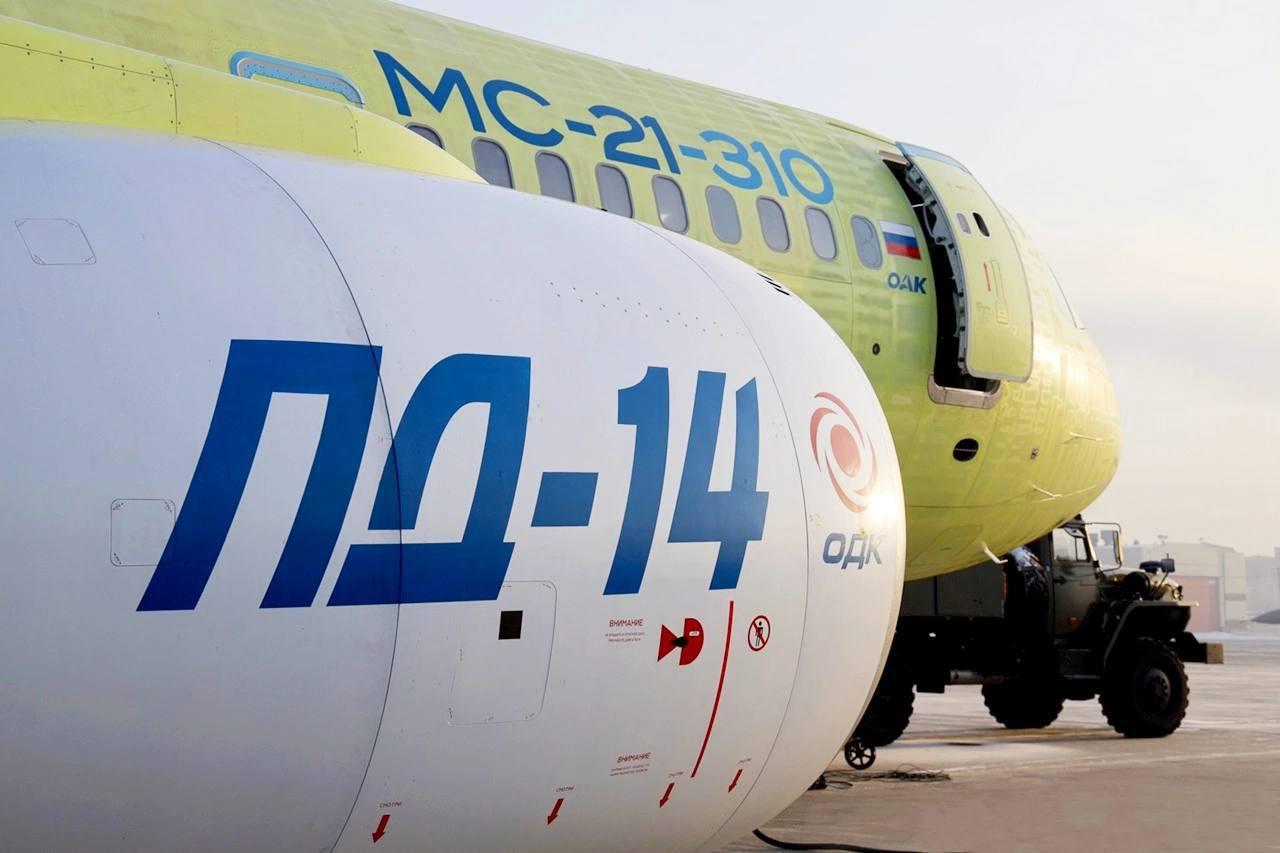
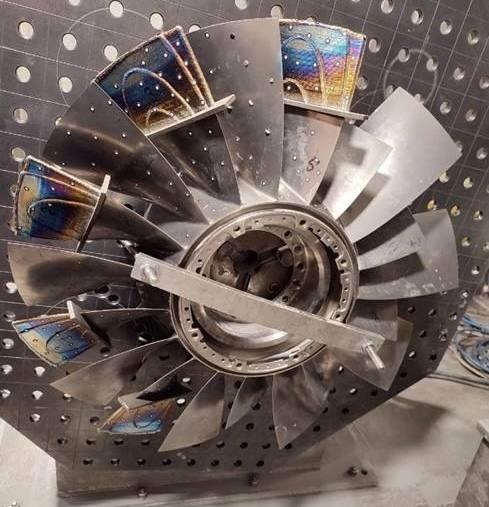
Specialists at the Salyut Moscow enterprise of the UEC have developed a technology for restoring the fan blade tip (draws air into the engine) of an aircraft engine using 3D printing.
During the repair, specialists cut off the damaged part of the blade. Using a 3D model, they restore the profile of the part, leaving allowances for subsequent machining. The layer-by-layer printing technology used makes it possible to precisely replicate the complex shape of the blade.
In addition, additive technologies are used to develop and restore tooling and dies used to manufacture aircraft engine parts. This extends the service life of the devices and improves their design.
Salyut has a section for prototyping plastic models. Here, tools and equipment are created, as well as prototypes of future products for testing.
According to Pavel Polshkov, Head of the Radiation Technology Bureau at Salyut, the company used 3D printing to manufacture more than 1,500 tooling models. Additive technologies have helped save significant funds.
Salyut is engaged in the production of AL-31F family engines for Su-27 aircraft, as well as AI-222-25 engines for the Yak-130 combat trainer. The company also participates in the production of TV7-117 and PD-14.
Read also on the topic:
Why does Russia need Pratt & Whitney if there is PD-14: its engine is cheaper and more economical
Road to the wing: the history of the PD-14 engine or how Russia returned to the big game
UEC: unique thrust reverser grids with electric drive invented for the PD-14 aircraft engine
Never miss our newsAdd this site to your preferred sources to see us more oftenAdd on Google

















