Translated with AI from the Russian original.
Modern teenagers perceive the internet as an integral part of life, using it for communication, learning, and entertainment. However, a new study by the Moscow State University of Psychology & Education (MSUPE) has revealed a disturbing pattern: high school students prone to internet addiction demonstrate a lower meaning of life, a lack of clear goals, and dissatisfaction with themselves.
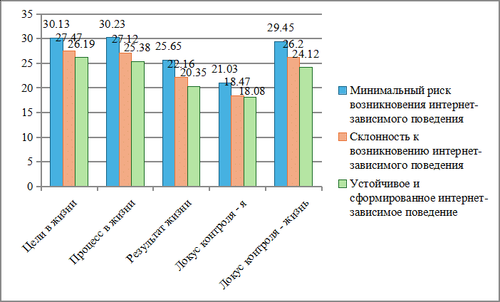
The study involved 106 students aged 16-18 years. Using methods including Chen Internet Addiction Scale (CIAS), methods for studying the clarity of the "Self"-concept (J. Campbell), and Leontiev's test of life-meaning orientations, scientists divided adolescents into three groups: with minimal risk of addiction, with a tendency to it, and with a stable form.
In the course of the study using the Chen Internet Addiction Scale (CIAS), three groups of high school students were identified:
- Group with minimal risk of developing internet addiction
- Group with a tendency to develop internet addiction
- Group with stable and formed internet-addicted behavior
It turned out that high school students with a tendency to develop internet addiction value active life, the pursuit of knowledge, and life wisdom to a lesser extent compared to high school students from the group with minimal risk of developing internet addiction. They also show a lower meaning of life, lack of goals, self-belief, and dissatisfaction with life compared to the group where the risk of addiction is minimal.
The group of students prone to developing internet addiction demonstrates a dual attitude towards the online world and their environment. Despite the fact that they generally perceive the internet positively, they are aware of the risks and threats that may arise from prolonged stay in virtual space.
Further research prospects include increasing the sample size, including taking into account cultural differences and place of residence of high school students. It is also planned to study the factors that may influence the relationship between the semantic sphere and the propensity for internet addiction in order to develop effective measures to prevent such behavior.
Read more on the topic:
Head of the Safe Internet League calls for the introduction of responsibility for online harassment and publication of personal data
Online shopping addiction has affected every fourth Russian - study
GigaChat will help in the fight against obesity: Sechenov University and Sber will develop an AI application for weight control
Never miss our newsAdd this site to your preferred sources to see us more oftenAdd on Google

















