Translated with AI from the Russian original.
Russian scientists from the A.N. Nesmeyanov Institute of Organoelement Compounds of the Russian Academy of Sciences, in collaboration with Spanish colleagues from the University of Barcelona, have presented a new design for sensor devices known as "electronic tongues."
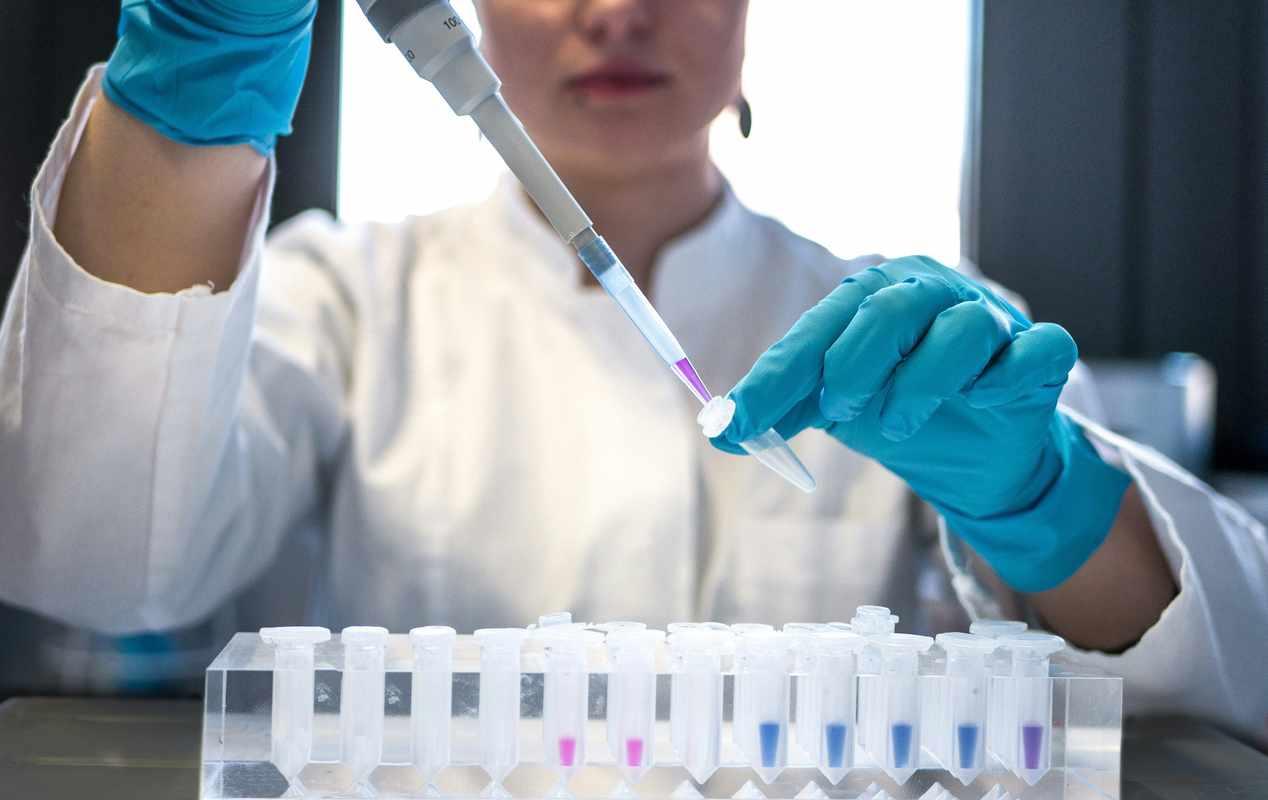
The researchers decided to cover disposable metal electrodes with a thin layer of porous metal-organic frameworks. Test results showed that the new development successfully identifies tea varieties. It can be used in medical research, environmental monitoring, and food quality assessment.
Traditionally, "electronic tongues" work with several electrodes that conduct electric current. When the sensor is immersed in a liquid and voltage is applied, each electrode creates a unique response, reflecting the presence of certain chemical compounds. However, since liquids often contain many components, the resulting signals can be complex and difficult to interpret. Machine learning methods are even used to process them.
Scientists solved this problem by developing disposable sensors with electrodes coated with a film of metal-organic frameworks. They consist of metal ions, such as zinc, copper, nickel, and iron, connected by organic molecules, forming porous matrices. This structure ensures selective interaction of the electrodes with certain classes of molecules, which greatly simplifies the signal processing and makes it more efficient.
Read more on the topic:
AI assistant for creating elastomers developed by Volgograd State Technical University and NSU scientists
Method for creating durable graphene composites developed at PNRPU
New method of drug delivery developed by scientists from Russia
Never miss our newsAdd this site to your preferred sources to see us more oftenAdd on Google

















