Russian-made products for aircraft will allow influencing the pricing policy in the industry. For example, spare parts for the SJ-100 "Superjet" were purchased abroad twice as expensive as for Airbus, said aviation expert Roman Gusarov.
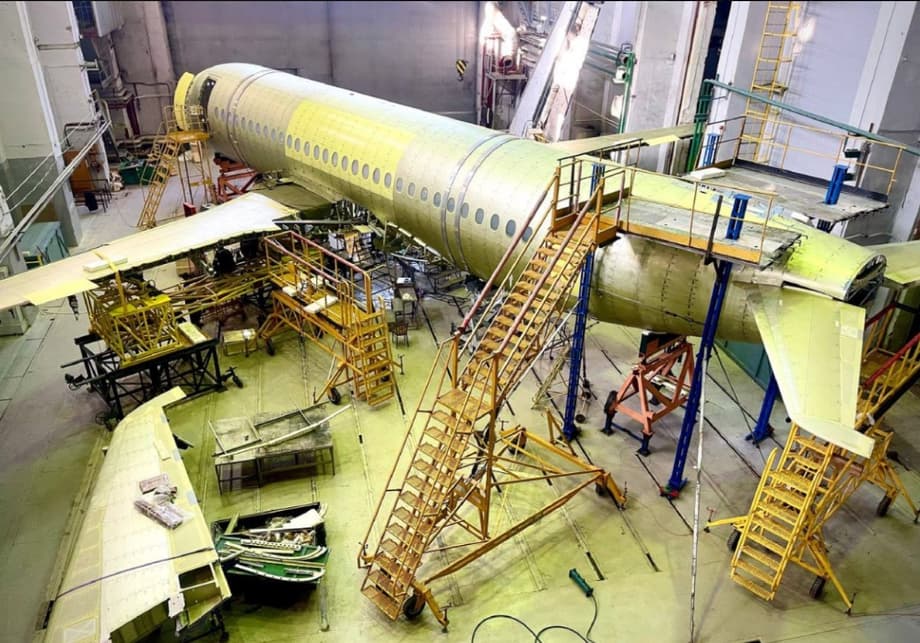
According to him, due to sanctions, they then became one and a half times more expensive.
There will be benefits in everything. And it will be cheaper, and there is not only a gain in price, but also in quality, because when we complained that they supply us with not very high-quality components, they [Western partners] brushed it aside, saying: if you don't want it, don't take it. And now, when components will be produced inside Rostec, an instrument of influence on the quality of these products will appear.
Gusarov emphasized that the "Superjets", which were originally assembled from imported components, will remain in this assembly.
There is no point in replacing everything else simply because there is no need to build a second parallel aviation industry for 150 aircraft.
Earlierwww1.ru reported that features of the Russian Su-34 and Su-24 were noticed in the first picture of the unique 6th generation fighter J-36.
Read more materials:
Boeing and Airbus are not needed: the Russian airline will focus only on the MS-21
Irkutsk will have to work hard: Aeroflot plans to receive more than 100 MS-21 aircraft
Now on home
Attempts to create such a light source have lasted for decades

Only 40 units of this all-wheel drive vehicle were produced in the 1990s
Update 12.4 also added "crafting" gifts and a new interface for Android
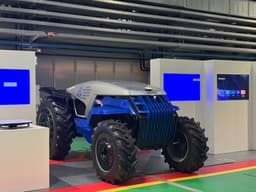
Navigation with accuracy up to 10 cm and computer vision ensure autonomous operation in the fields

The first court hearing is scheduled for February 18, 2026

The brand symbol has become stricter by removing the lower element
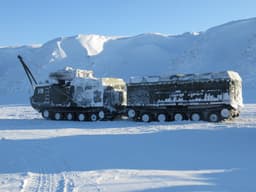
The equipment was tested for buoyancy, frost resistance, and reliability in extreme conditions
Switching from silicon to germanium increases the efficiency of solar panels

Scientists are surprised that large flares did not cause plasma ejections towards Earth
