Scientists from Tomsk Polytechnic University (TPU), together with colleagues from Sweden, have proposed an innovative method for modifying aromatic compounds, which significantly simplifies the synthesis of complex molecules. The results of the study,publishedin the prestigious journal Nature Communications, open up new opportunities in pharmacology and materials science.
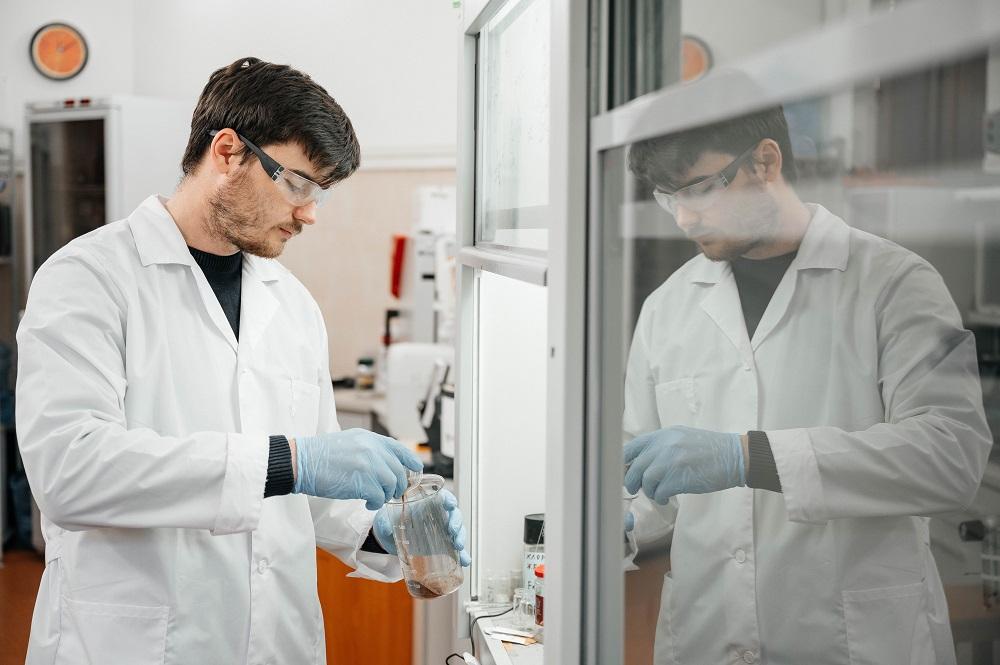
Aromatic compounds are widely used in the chemical industry, but their dearomatization and functionalization traditionally require multi-stage processes. Russian researchers, together with foreign colleagues, have proposed an approach based on photocatalysis - a reaction activated by visible light. This allows the aromatic ring to be broken and several functional groups to be introduced simultaneously, creating complex three-dimensional structures in just one step.
At the initial stage of synthesis, the reagents are activated using photocatalysis. Visible light triggers a reaction in which radicals are formed. They then react rapidly with radical acceptors (a molecule or part of it that accepts electrons - ed.), which leads to the formation of complex structures - spirocycles, and also makes it possible to introduce new functional groups - imines. The resulting compounds have high reactivity. This makes them suitable for further reactions, for example, as intermediates in the synthesis of pharmaceutical compounds. The synthesis of complex compounds with the creation of complex three-dimensional structures takes place in a single step.
The scientists successfully tested the method on drugs for the treatment of dyslipidemia, modifying their molecules to improve biological activity. The process took several hours instead of days or months using classical methods.
It is noteworthy that the use of our method allows us to modify various complex compounds, for example, drugs, amino acids, sugars, and even unactivated alkanes. In the future, this can greatly simplify the synthesis of complex biological compounds necessary for medical and pharmaceutical research.
The development can be used not only in pharmacology, but also in materials science, allowing the creation of compounds with improved properties. In the future, scientists plan to expand the range of modifiable substances and optimize the process for industrial use.
Read also materials on the topic:
TPU scientists melted the ice: a new technology has been created to combat aircraft icing
Tomsk scientists have developed a method for creating ultra-strong metal composites for aviation
Never miss our newsAdd this site to your preferred sources to see us more oftenAdd on Google

















