Russian specialists have increased the noise immunity of GLONASS/GPS correction modules of Geran-2 kamikaze drones from electronic warfare systems by installing new generation CRPA antennas. This was reported by military expert Evgeny Damantsev.
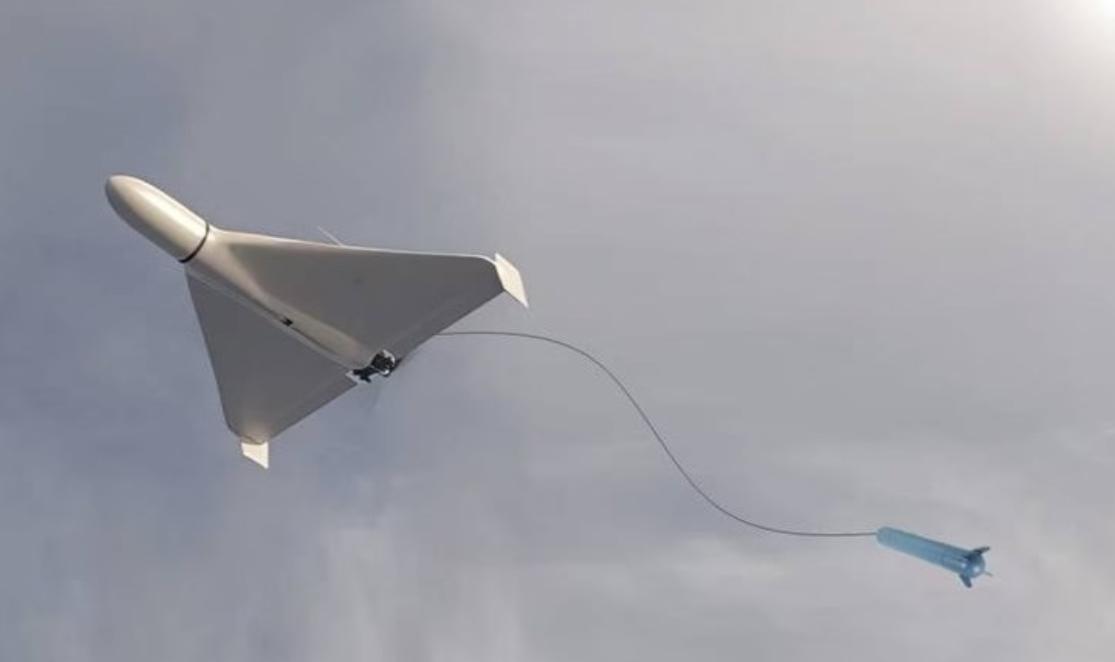
According to him, if earlier the military used eight- and twelve-element modules, now the installation of a 16-element CRPA antenna has been recorded, designed to filter interference and ensure stable reception of GPS signals in conditions of active electronic warfare.
The principle of operation is to identify false signals and ignore them, which allows the drone to maintain an accurate route and reach the target, despite the operation of electronic warfare.

Characteristics of the Geran UAV:
Length - 3.5 m, wingspan - 2.5 m, flight altitude - from 60 to 4000 m, ammunition weight - 90 kg, speed - 150-180 km/h, loitering time - 10-12 hours.
Earlier www1.ru reported that Vysokotochka transferred a new batch of Pantsir-S SAM systems to the Ministry of Defense.
Read more materials:
Innovative Trident of Retribution fighter drone with tentacles first appeared on video
On guard of the perimeter: the characteristics of the new Fara-VR radar have been revealed
Rostec has developed a unique landing system for light aviation
Never miss our newsAdd this site to your preferred sources to see us more oftenAdd on Google

















