Translated with AI from the Russian original.
The cycle of experimental design work (R&D) in the production of aircraft has become 10–20% faster due to the widespread use of a digital environment. This was reported by the Rostec State Corporation.
According to the new strategy until 2036, at least 5% of revenue is planned to be invested annually in various research and development works (R&D).
Aviation expert and executive director of the Aviaport agency Oleg Panteleev explained that the widespread introduction of IT solutions and digital twins at factories helped to reduce the development and certification time of aircraft.
However, full-scale tests require more time due to the difference in climatic zones in which the equipment is operated.
For example, to confirm compliance with flight safety standards in Russia, more tests need to be carried out under real operating conditions.
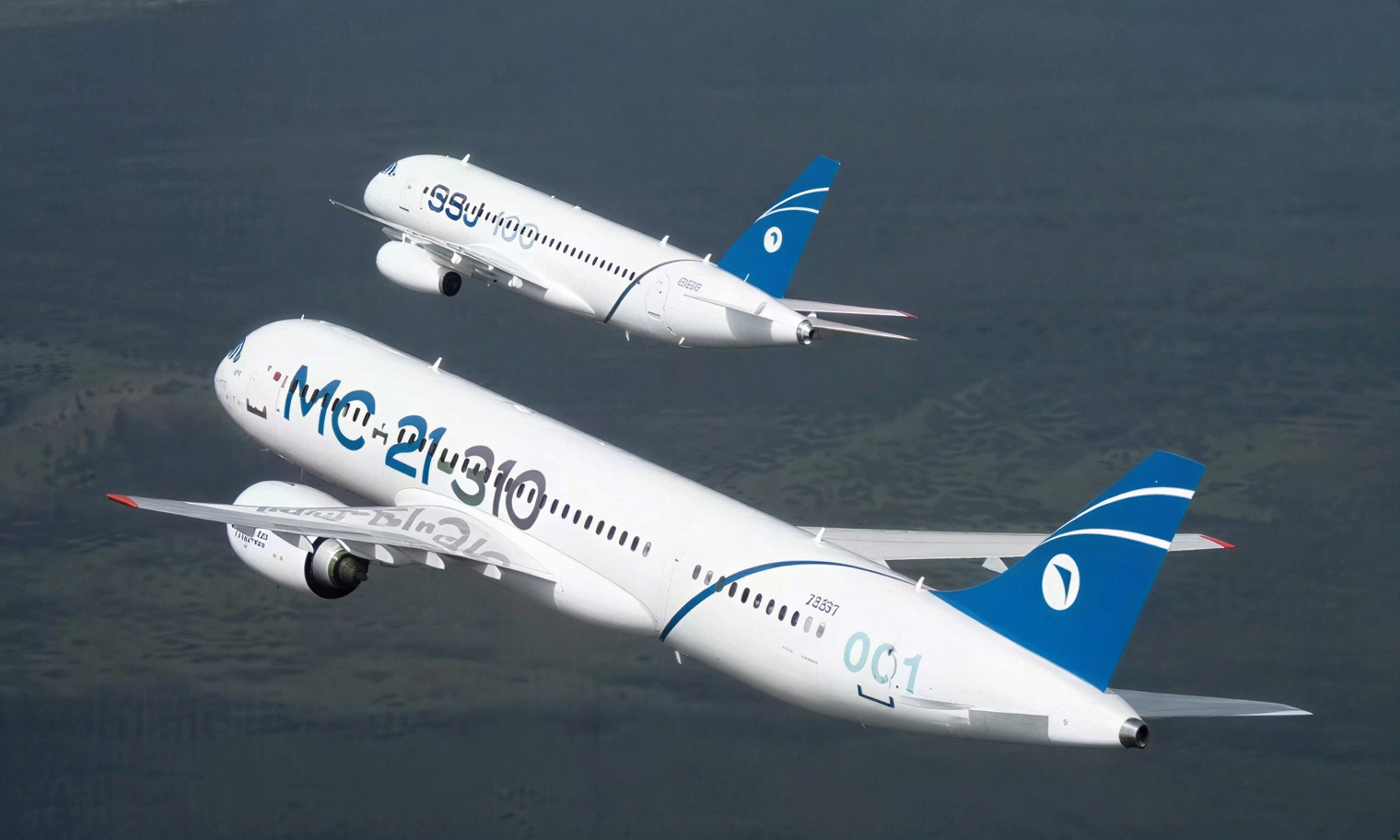
Nevertheless, the head of the design department of PJSC Yakovlev, Ezhen Guriev, noted that in fact we are not talking about a digital twin, but about a digital prototype. He emphasized that Russia already has a good foundation for describing aircraft systems in a digital environment, the MC-21 and Superjet.
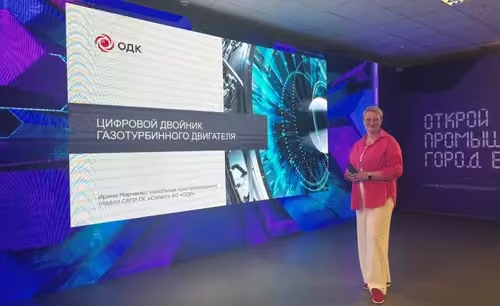
In particular, the Salyut Moscow enterprise developed a digital analogue of the AI-222-25 engine, and the ODK-Klimov St. Petersburg enterprise developed a digital model of the TV7-117ST-01.
Read more materials on the topic:
- UEC is introducing a standard for the development of digital twins of aircraft engines
- Russian aircraft engine AI-222-25 received a digital twin
- A step into the future of aircraft construction: UEC spoke about Russia's unique development in engine creation
Never miss our newsAdd this site to your preferred sources to see us more oftenAdd on Google

















