Translated with AI from the Russian original.
Scientists at Tambov State Technical University have created a prototype of Russia's first incubator for newborns with a system that simulates sunrises and sunsets. This was announced by Sergey Frolov, Head of the Department of Biomedical Engineering and project manager.
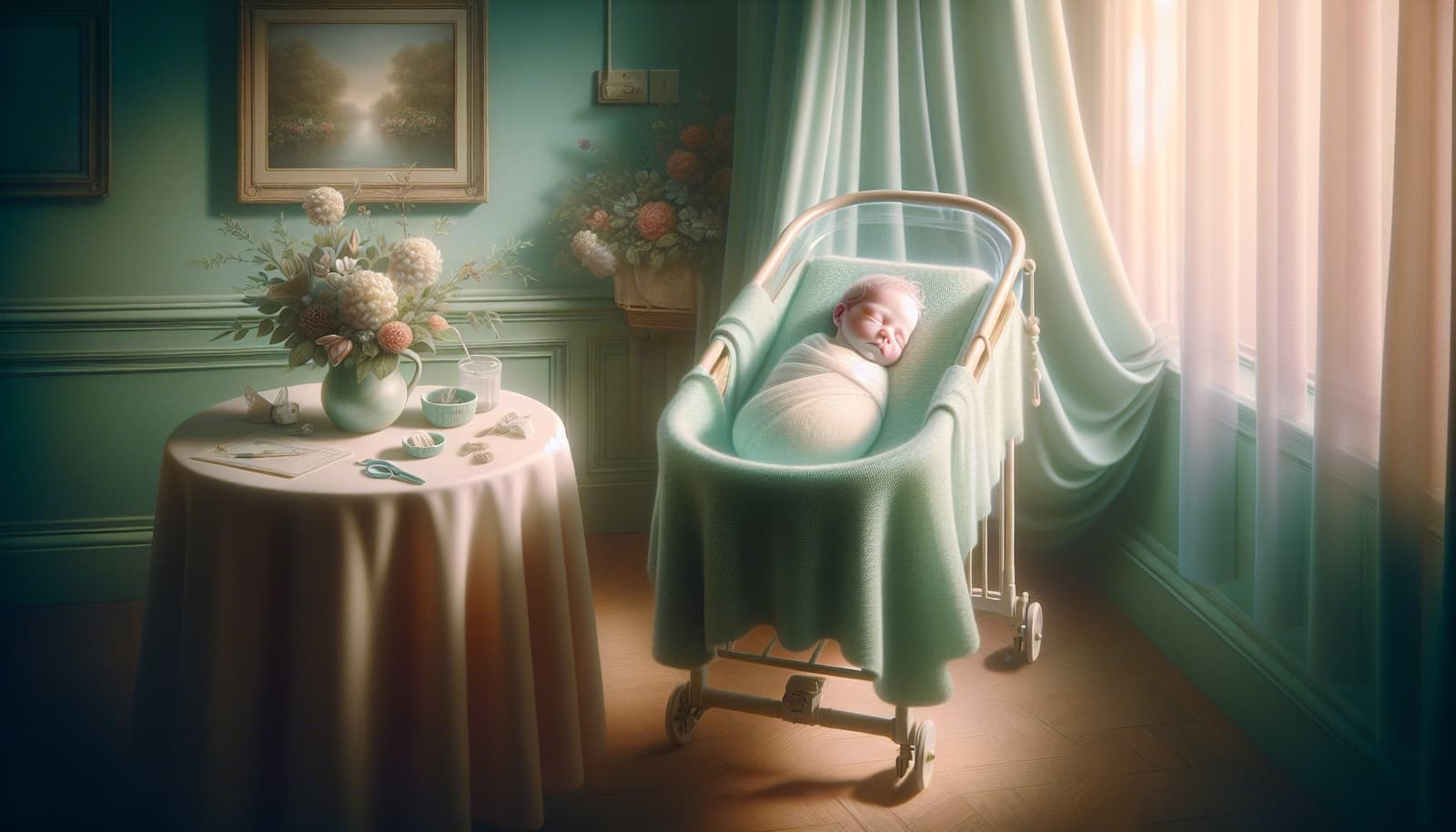
The project created a prototype of a new generation incubator with the use of a high-precision microclimate control system: temperature, humidity, oxygen concentration, illumination. <...> This is not yet used abroad, nor is it used in our country.
The device is based on a real-time clock module that synchronizes with the calendar of daylight hours. This makes it possible to simulate circadian rhythms - the cyclical effect of light with day and night phases.
The film can be made in three versions: opaque, transparent, or with an intermediate degree of opacity. According to Frolov, the creation of such an incubator will help reduce the stressful impact on the child's body, which, in turn, will lead to improved infant health indicators. Russia has issued a patent for such an invention for the first time.
The press service of TSTU noted that neonatal incubators with intelligent glazing are not currently used in the healthcare system. Even the most modern models of neonatal incubators only have a cover that protects the newborn from bright light and supports the daily rhythms of day and night.
The project has been well received by the scientific and medical communities. In order for the incubator to be produced as a medical device, it is necessary to undergo testing and design improvements.
The development was carried out with the support of the Russian Science Foundation. The project of Tambov scientists has already been recognized by Rospatent as one of the best new domestic inventions of 2024.
Earlier,www1.ru reported that Russian scientists areworking on creating sensors that can diagnose diseases by human breath. These sensors are highly sensitive and can detect even the slightest changes in the composition of exhaled air.
Read materials on the topic:
The bioprinter developed by NUST MISIS for the restoration of tissues and organs has appeared on sale
Russian scientists have developed a prosthesis capable of imitating tactile sensations
A unique bracelet for controlling a bionic hand has been developed in Russia
Never miss our newsAdd this site to your preferred sources to see us more oftenAdd on Google

















