A unique hydrogen sensor has been developed at the National Research Nuclear University MEPhI. It is capable of functioning at extremely high temperatures from 150°C to 450°C.
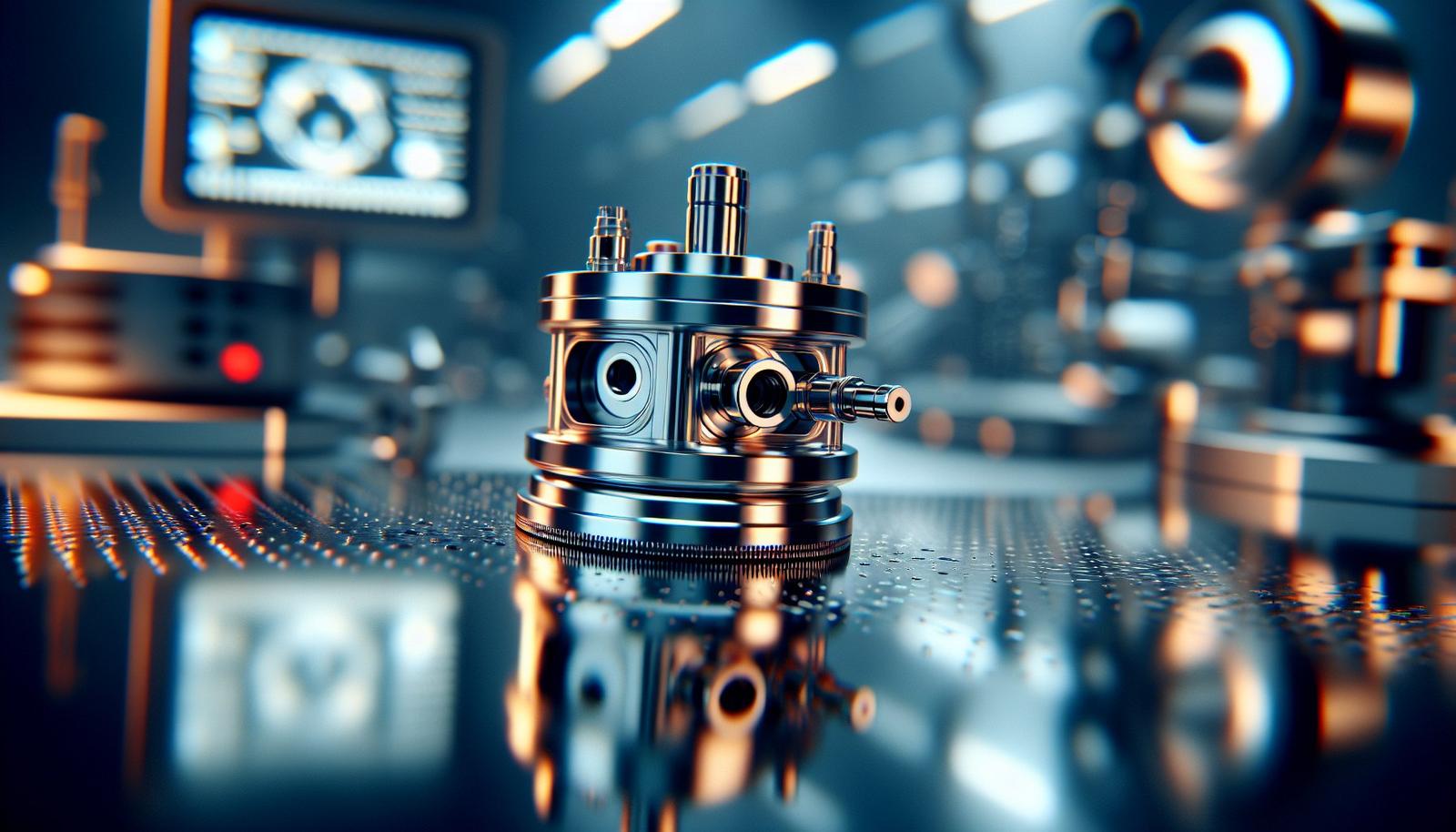
The sensor is based on a composite material made of silicon carbide with a thin film of tungsten oxide. When interacting with hydrogen, the electrophysical properties of tungsten oxide change. This allows measuring electrical resistance and determining the presence of hydrogen in the environment.
The technology has already been patented. This summer, it is planned to test the device under conditions of increased hydrogen content at the MIPT test site.
According to Alexey Solovyov, senior lecturer at LAPLAZ, such sensors can be useful in nuclear power plants, where water often circulates at temperatures above 300°C and leads to the formation of hydrogen bubbles. These bubbles pose a danger, as they can cause micro-explosions and destroy the walls of pipelines. Similar risks exist in the oil refining industry.
MEPhI is also working on creating a hydrogen sensor that can operate at even higher temperatures - from 450°C to 850°C. This device will be based on a sapphire substrate with sputtered zones of various metals, such as gold and platinum. By measuring the potential difference between these materials, it will be possible to determine the level of hydrogen in the environment.
Earlierwww1.ru reported that diamond plates with boron were developed in St. Petersburg.
Read materials on the topic:
A graphene-based humidity sensor was developed in Novosibirsk
A sensor for detecting microbes in raw milk has been created in Russia
Russia is developing domestic software for sensors in rocket engineering, drones and oil production
Never miss our newsAdd this site to your preferred sources to see us more oftenAdd on Google

















