A technical vision system for unmanned ground systems (tractors and unmanned dump trucks) has been developed at the Yaroslav the Wise Novgorod State University (NovSU). This was reported in the press service of the university.
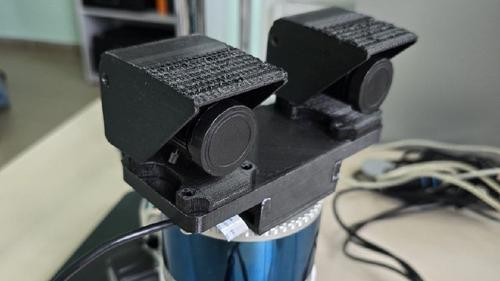
The system includes a lidar (receives a point cloud and converts it into a 3D or 2D picture on the screen), two television cameras and two sensors for working in "blind spots".
Cameras cannot work at night when there is not enough light, and lidar is ineffective in bad weather - for example, in fog or rain. Our concept eliminates the problems of these systems by merging them.
The system is designed to simplify the navigation of unmanned tractors and dump trucks. It will help to build routes, detect obstacles and solve other tasks.
A prototype of the new system is already ready. Specialists have started developing software.
Earlier www1.ru reported that Russian drones will be equipped with computer vision.
Read materials on the topic:
KAI created algorithms for autonomous navigation of drones without GPS
For civilian and military: Russian drones will have a new technical vision system
Never miss our newsAdd this site to your preferred sources to see us more oftenAdd on Google

















