Novosibirsk State University (NSU) has developed a drone using the "flying wing" design. The drone has begun to be used to protect energy facilities. This was reported by the head of the Department of Electric Drive and Automation of Industrial Plants of NSTU, Denis Kotin.
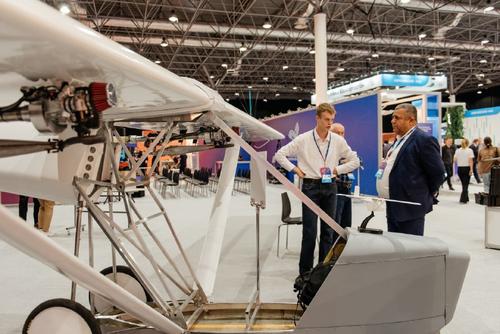
Now we are using this "wing" in a commercial contract research and development work with "Rosseti" - with the help of this "wing" we carry out flyovers and diagnostics of the condition of power lines based on information from video recording devices and corresponding sensors located on this "wing".
So far, two UAVs have been developed. They have already been tested in a power line flyover last week.
It was additionally noted that NSU is developing engines for a cargo drone of an aircraft type, a multicopter, and a "flying wing". The devices outperform Chinese counterparts in efficiency.
Earlier www1.ru reported that the prices of domestic components for drones are 8 times higher than Chinese ones.
Read materials on the topic:
Import substitution in UAV production is hampered by a lack of electronics localization
"Eye" for an eye: mass production of the heavy kamikaze drone "Privet-82XL" has begun in Russia
Reuters: Izhevsk Electromechanical Plant "Kupol" launched production of the UAV "Harpy-3" in China
Never miss our newsAdd this site to your preferred sources to see us more oftenAdd on Google

















