The innovative "General" electric bus worked in Yekaterinburg as a shuttle at the INNOPROM exhibition, and then transported passengers along route No. 50 in the Academic District. Now it has left for testing in Krasnoyarsk, where it will begin operation in the second half of September.
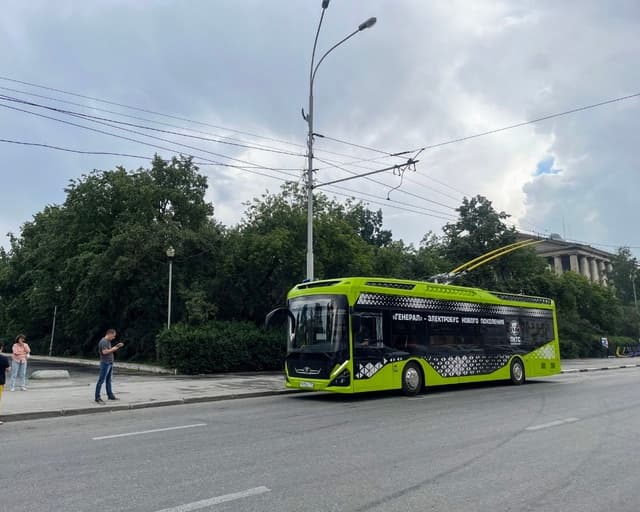
The "General" electric bus performed excellently at the exhibition and received high marks, including from the mayor. The tests in Yekaterinburg were a real challenge, especially after the abnormal rain. Nevertheless, the electric bus continued to operate, which allowed engineers to improve its characteristics. "General" is comfort, reliability and environmental friendliness. We are confident in its future on the roads of Russian cities.
Meanwhile, some auto insiders say that the tests did not go so smoothly. In particular, auto expert, editor-in-chief of the magazine "Behind the Wheel" Maxim Kadakov claims: according to his unofficial data, the "General" electric bus was idle more than it transported passengers.
Pilot operation was not without problems. Here is a brief unofficial summary. Days in operation – 14. Days of downtime due to technical malfunction – 20. Mileage – 1632 km. Passengers transported – 6420. Judging by the available unofficial information, the days of downtime are related to several reasons – these are problems with traction batteries due to water ingress, repair of current collector heads, blocking of autonomous operation due to power supply malfunction.
"PC Transport Systems" has not yet commented on or refuted this information.
Electric bus "General"
According to the developers from "PC Transport Systems", this electric bus is designed on the basis of the restyled model of the Admiral trolleybus. Therefore, it has modular solutions for energy storage systems and unification with the trolleybus.
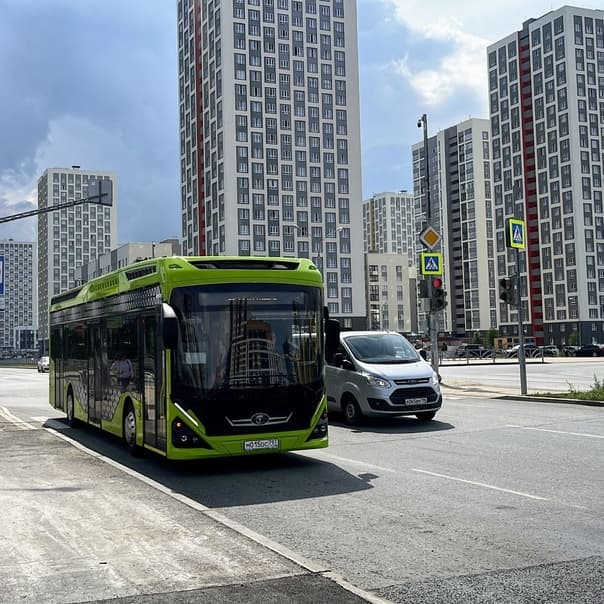
The origin of the electric bus also plays a role here: "PC Transport Systems" operates on the site of the former famous trolleybus plant CJSC "Trolza" in the Saratov region. "Trolza" stopped operating in 2019 due to financial difficulties, and in 2020 "PC Transport Systems" began operating at its facilities. At the end of 2023, CJSC "Trolza" was officially declared bankrupt and ceased to exist, but the developments of its specialists in the field of public electric transport continued to live on.
The "General" can be charged both from trolleybus and tram infrastructure, and from charging stations of 380 or 600 volts. It is made almost entirely of domestic aluminum alloys and flame-retardant composite materials. The characteristics of the electric bus are as follows:
- for the first time in the world, Russian manufacturers have used a combined traction battery charging technology for it, which combines three types of charging at once. The electric bus is slowly charged from a socket, dynamic charging comes from current collectors, and fast/or ultra-fast charging is through current collectors, but in a different way;
- battery capacity for autonomous operation – 93-150 kWh with the possibility of increasing the capacity;
- range – 100 km;
- charging time depending on capacity, depth and type of charge – 45-120 min;
- capacity – 35 seats, 80-100 passengers;
- 100% low floor – guarantees safe access to the cabin and movement of all population groups, an increased number of seats directly in the low-floor part of the cabin;
- wide safe doors with pneumatic or electric drive with lighting and anti-pinch system;
- separate climate control for the passenger compartment and driver's cab, modern multimedia systems;
- equipment for passengers with disabilities – driver call button, folding ramp, wheelchair space with fixation system and driver notification system;
- comfortable driver's workplace – with additional compartments, increased visibility and high ergonomics of the driver's seat;
- multi-steering wheel with the possibility of individual adjustment for the driver and power steering;
- 360-degree cameras, external video monitoring system for passenger boarding and alighting areas and monitoring of the road situation.
In 2023, representatives of the company stated that they are waiting for orders for this new electric bus for at least 2 billion rubles.
Read materials on the topic:
KAMAZ Cut Its Electric Bus into Four Parts at an Exhibition in Moscow
Russian Mini-Electric Bus "GAZelle e-City" Started Serial Production
Now on home
Герой России Гарнаев: никто из профессионалов о возобновлении производства на КАЗ всерьёз не говорит
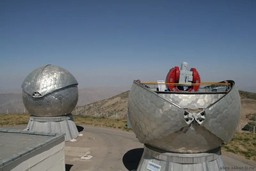
Система отслеживает спутники на высотах до 50 000 км и ведёт за ними наблюдение

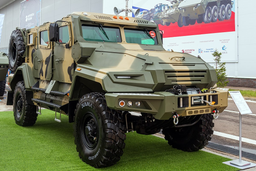
The armored vehicle is equipped with a KamAZ-740.35-400 diesel engine with a power of 400 hp.
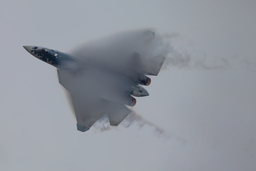
Constant improvements in avionics, weapons and tactical capabilities will make the aircraft a flexible response to future challenges
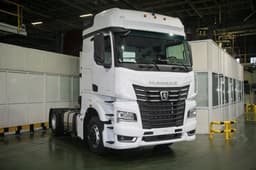
The exterior of the KamAZ-54901 features fairings on the cab and chassis for fuel economy
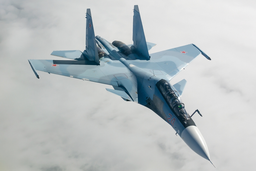
Fighters are in demand both domestically and abroad
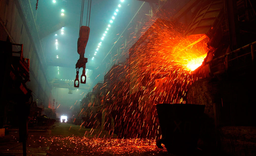
Tyazhpromexport and Venezuela Agree on Plant Revival

The company not only completed the state order, but also quickly mastered the production of AK-12K for special forces
Experts have developed a photogrammetric complex with a resolution of less than 1 cm