India has successfully conducted the second phase of testing (the first phase took place in 2022) of the AD-1 long-range two-stage solid-fuel interceptor missile, developed as part of the second phase of work to create the country's missile defense system (ABM). According to military expert Boyko Nikolov, the Indian system is as effective as the American THAAD and the Russian S-400. He wrote about this in an article for Bulgarian Military.
During the second phase of testing, missile guidance, communication systems, and radar tracking were tested. The tests included the launch of a target missile.
AD-1 is very similar to the American ground-based THAAD [Terminal High Altitude Area Defense developed by Lockheed Martin] missile system. THAAD is designed to engage missiles at high altitudes during their descent. It can intercept targets at a distance of over 200 km and track them at a distance of up to 1000 km. But, unlike AD-1, the THAAD missile is single-stage.
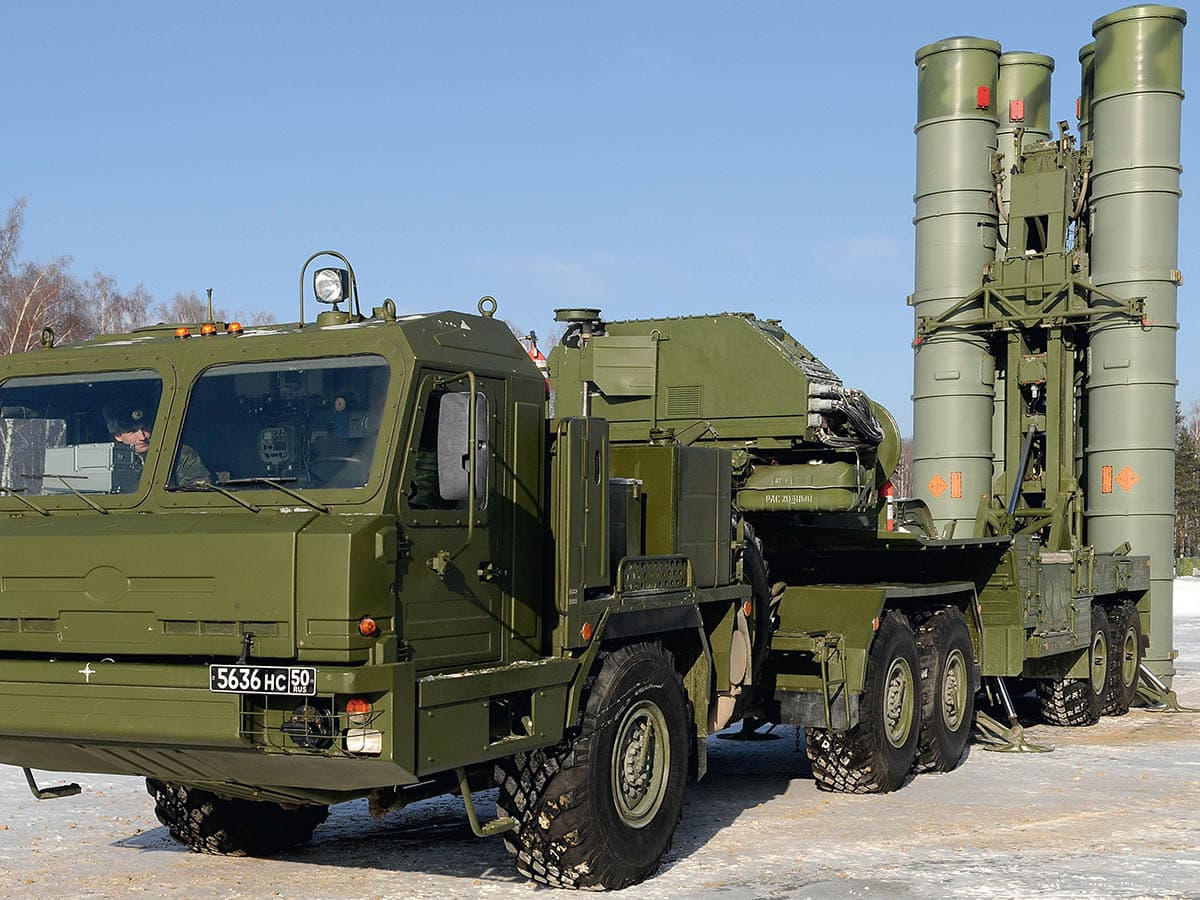
According to Nikolov, India is interested in creating a version of the AD-1 interceptor missile that could be launched from the Russian S-400 air defense system. In this case, the missile will have an active radar homing head.
The S-400 uses a two-stage 40N6 anti-missile, which has a range of 400 km and can engage targets at altitudes up to 185 km. At the same time, India is working on its own S-400-type air defense system called "Project Kusha" as part of the creation of a long-range air defense system.