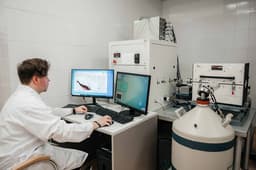
Students of the Moscow Aviation Institute (MAI) are developing a device that will combine the functionality of measuring equipment. The so-called "scientific smartphone" will receive the functions of a thermal imager, soil acidity meter and UV radiation meter, the university's press service reported.

Work on the device has been underway for the third year. Our goal is to create a kind of "scientific smartphone" with a set of sensors. We form their list, consulting with employees of the Ministry of Emergency Situations, meteorologists, geologists, tourists.
According to Matasov, with its help it is possible to take soil analysis, measure the distance to an object. The gadget will be useful for the study of Earth and space.
Specifically for the device, students have developed software. They have made several prototypes and are now working on their modifications. It is expected that the "scientific smartphone", which has no analogues in the world, will appear on the market within 3 years.
Earlier www1.ru reported that Russian scientists developed a new method of deploying reflectors for space objects.
Read materials on the topic:
For temperatures from — 140 to + 140°C: Reshetnev employees are working on a new space technology
"Luna-27a" and "Luna-27b" will replace the Russian "Luna-25" in space
Now on home

Герой России Гарнаев: никто из профессионалов о возобновлении производства на КАЗ всерьёз не говорит
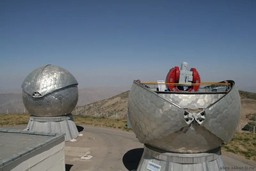
Система отслеживает спутники на высотах до 50 000 км и ведёт за ними наблюдение
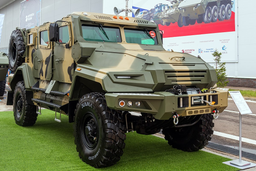
The armored vehicle is equipped with a KamAZ-740.35-400 diesel engine with a power of 400 hp.
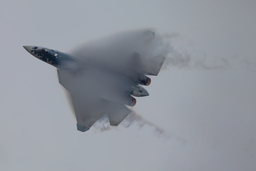
Constant improvements in avionics, weapons and tactical capabilities will make the aircraft a flexible response to future challenges

The exterior of the KamAZ-54901 features fairings on the cab and chassis for fuel economy
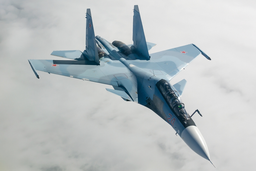
Fighters are in demand both domestically and abroad

Tyazhpromexport and Venezuela Agree on Plant Revival
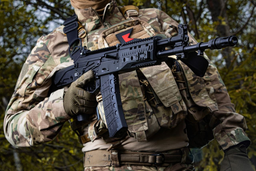
The company not only completed the state order, but also quickly mastered the production of AK-12K for special forces
Experts have developed a photogrammetric complex with a resolution of less than 1 cm