Translated with AI from the Russian original.
The Ka-52 reconnaissance and attack helicopter and its newer version, the Ka-52M, continue to enter service with the Russian army. Servicemen rate the "Alligators" highly.
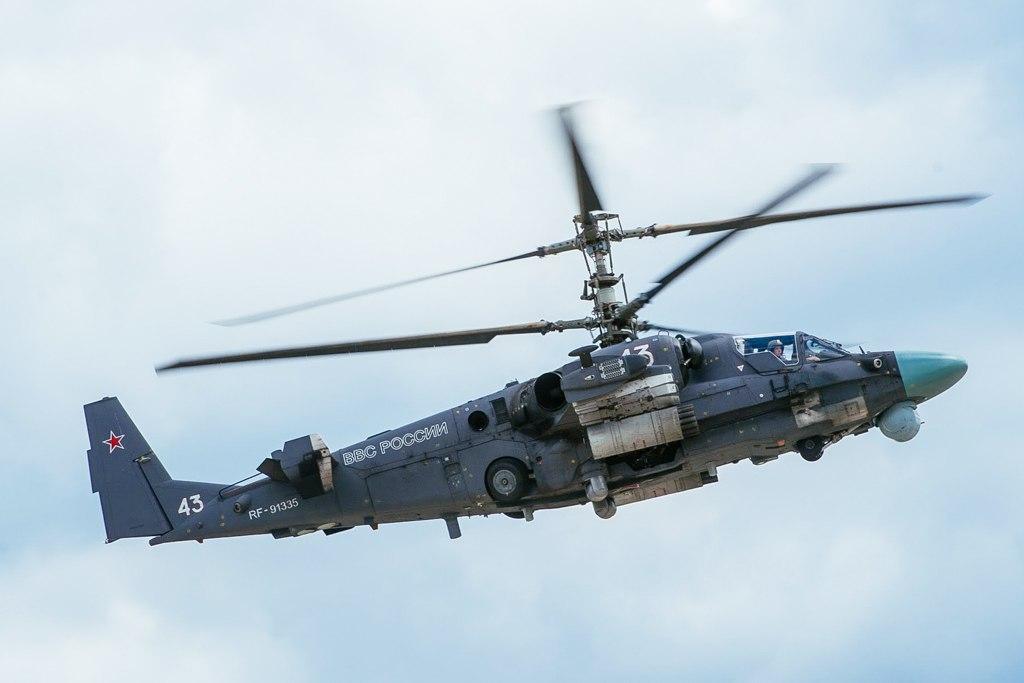
During the latest upgrades, the Ka-52M received a new optoelectronic system with an increased range for detecting and recognizing targets. The Ka-52M also gained a new digital drive, which will improve aiming accuracy when firing from a cannon. Among the latest updates, the Ka-52 received a new radar system with an active phased array antenna.
The accuracy for hitting area linear targets is plus or minus 50-100 meters. Considering that the radius of the fragments of unguided weapons exceeds 200-300 meters, the combat use can only be rated as excellent.
According to the Ministry of Defense, "Alligators" will continue to be modernized, based on their combat use and the recommendations of operators.
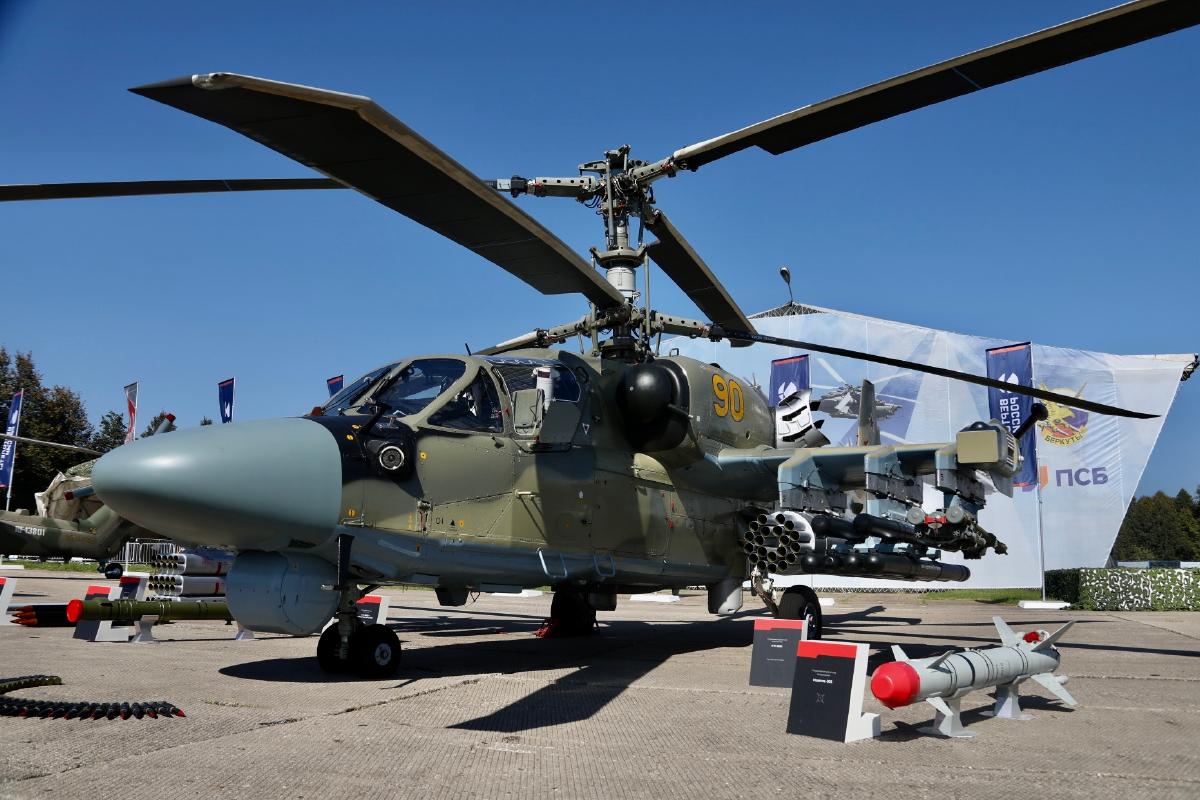
In particular, it is already known that the Ka-52 will receive an updated Vitebsk onboard defense system. And the Ka-52M will have the ability to strike enemy equipment in zero visibility conditions.
Read materials on the topic:
Ka-52 combat helicopter impressed Americans at the Dubai Airshow
Rostec showed "Product 305" for the domestic "Alligator". Missile range – 14.5 km
More than 50 combat "Pantsirs" protect Russian cities from the enemy
Never miss our newsAdd this site to your preferred sources to see us more oftenAdd on Google

















