Translated with AI from the Russian original.
The "Shvabe" holding, a subsidiary of the Rostec State Corporation, has for the first time shown how domestic optical glasses are produced for scientific instruments, medical equipment, aerospace monitoring and other needs.
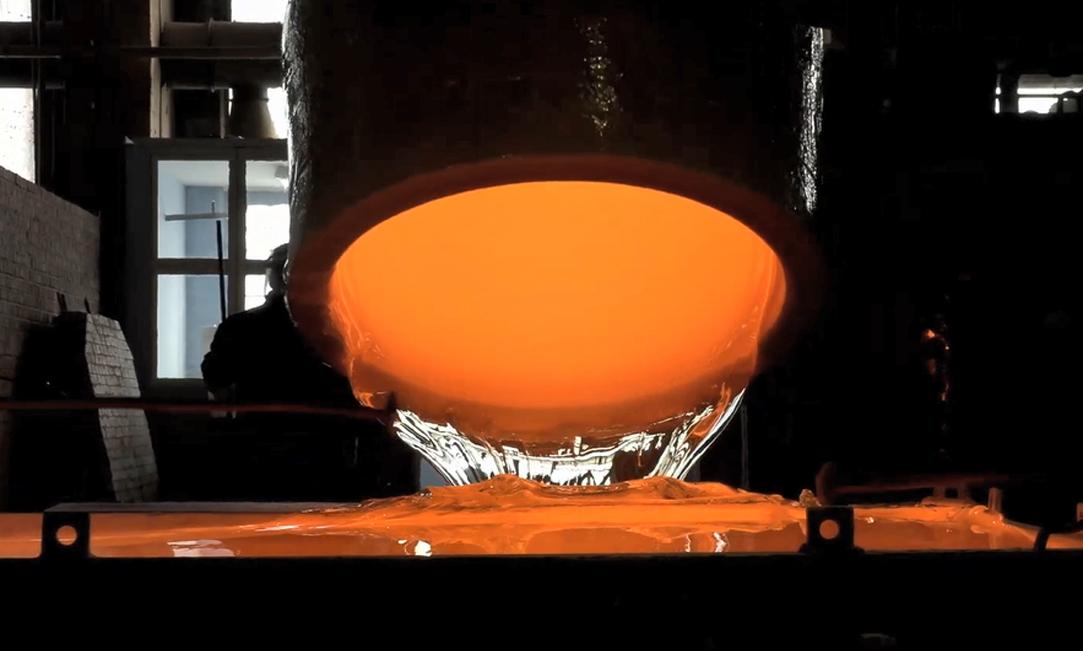
The Lytkarino Optical Glass Plant (LZOS), which is part of the holding, was chosen for the demonstration. Throughout its history, it has mastered the production of more than 300 grades of glass, and the company produces hundreds of tons of products per year. In particular, in 2023, it produced more than 1,000 tons of glass.
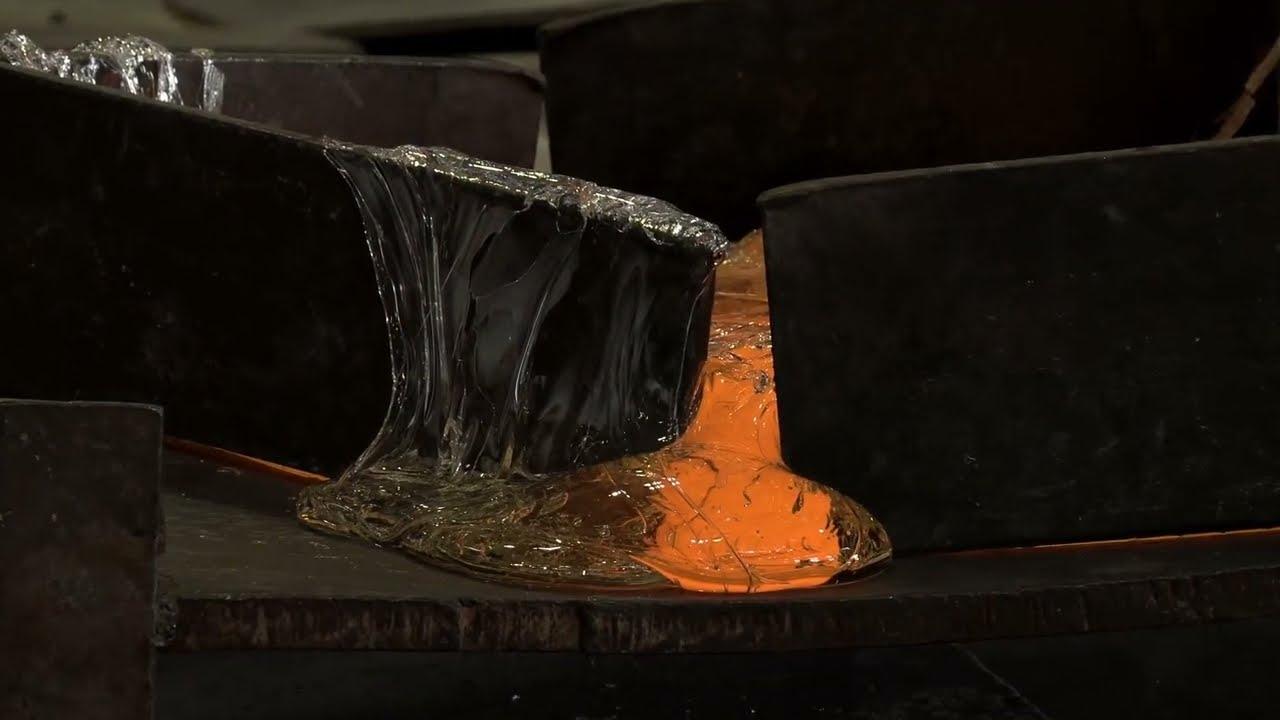
In the workshops, before the glass reaches the customer, it goes through about 950 technological cycles: cooking in gas pot furnaces, molding, annealing and other processes.
But first, the material itself is made from a batch, a special powder mixture, to which cullet can be added. All this is boiled for several days in technological containers — pots made of chamotte with a volume of 500-700 liters at high temperatures up to 1400-1550°C.
The resulting melt is clarified and homogenized, that is, made homogeneous, using special technological processes. After that, the glass mass is poured into a mold. For each grade of glass — and there may be dozens of them — its own cooking and annealing modes are prescribed. Cooling, or annealing, takes place in a special furnace and is divided into coarse and optical (fine). The first can last two to three weeks, and the second — a month or even longer. The annealed block is removed from the furnace and checked by the technical control department.
If the blank meets all the requirements and passes the quality control check, it is sent to the cutting areas, where the glass is cut, ground, and polished. In short, it is processed for use at the destination.
Heat-resistant thermal imaging systems are used to monitor the process in glass production. Previously, they were purchased abroad, but recently the Roselectronica holding of Rostec State Corporation developed a new generation of such devices operating at temperatures up to 1600-1800°C. Their serial production is scheduled to begin before the end of this year.
Never miss our newsAdd this site to your preferred sources to see us more oftenAdd on Google

















