At St. Petersburg University ITMO, a new domestic development was announced. A group of chemists led by Professor ITMO Vladimir Vinogradov has developed a machine learning system that automatically selects the size, composition, and shape of magnetic nanoparticles for optimal operation of MRI systems and "burning out" neoplasms in various organs of the body.
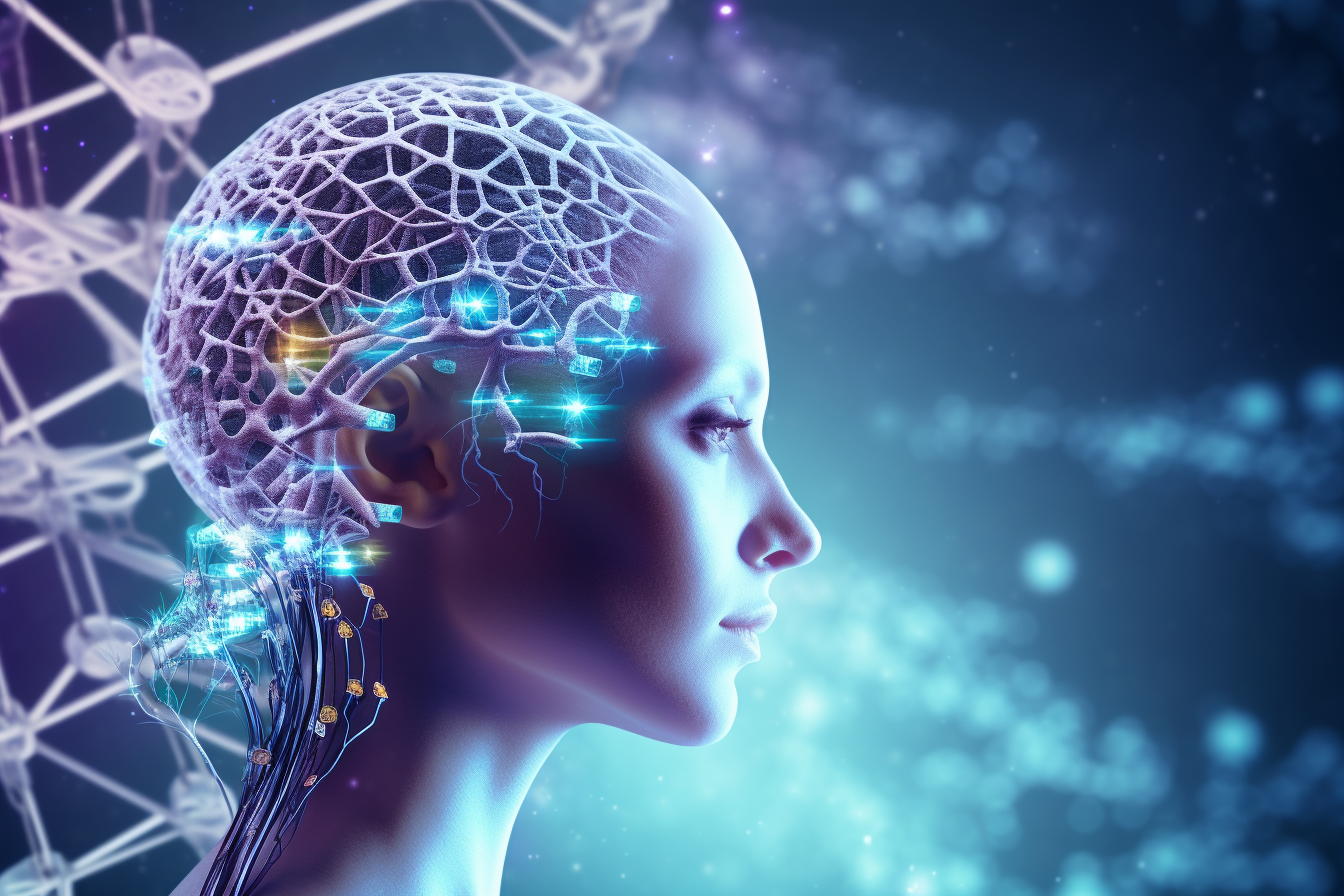
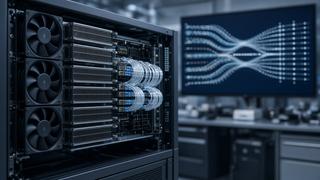
Scientists have developed a machine learning algorithm that, based on open laboratory data, "translates" nanoparticle parameters into parameters of diagnostic and treatment effectiveness. The system can show what the effectiveness indicators for MRI and hyperthermia will be if nanoparticles with certain parameters are used.
To create the neural network, scientists used data from 1282 unique types of magnetic nanoparticles. The researchers compared how the shape, chemical composition, length, width, and magnetic parameters of these nanostructures affected how actively they absorb radio waves and how quickly they "magnetize" when interacting with tomograph radiation.
For further development and practical application of the neural network, new data is needed, including data obtained during observations of the action of magnetic nanoparticles in experiments on animals, cell cultures, and body tissues.
Unfortunately, there is practically no data we need in the public domain, and what is available is very little for retraining the algorithm. We are contacting specialized organizations, requesting this information - our team is ready for joint research. The more data we receive, the more accurately our system will be able to work.
Never miss our newsAdd this site to your preferred sources to see us more oftenAdd on Google