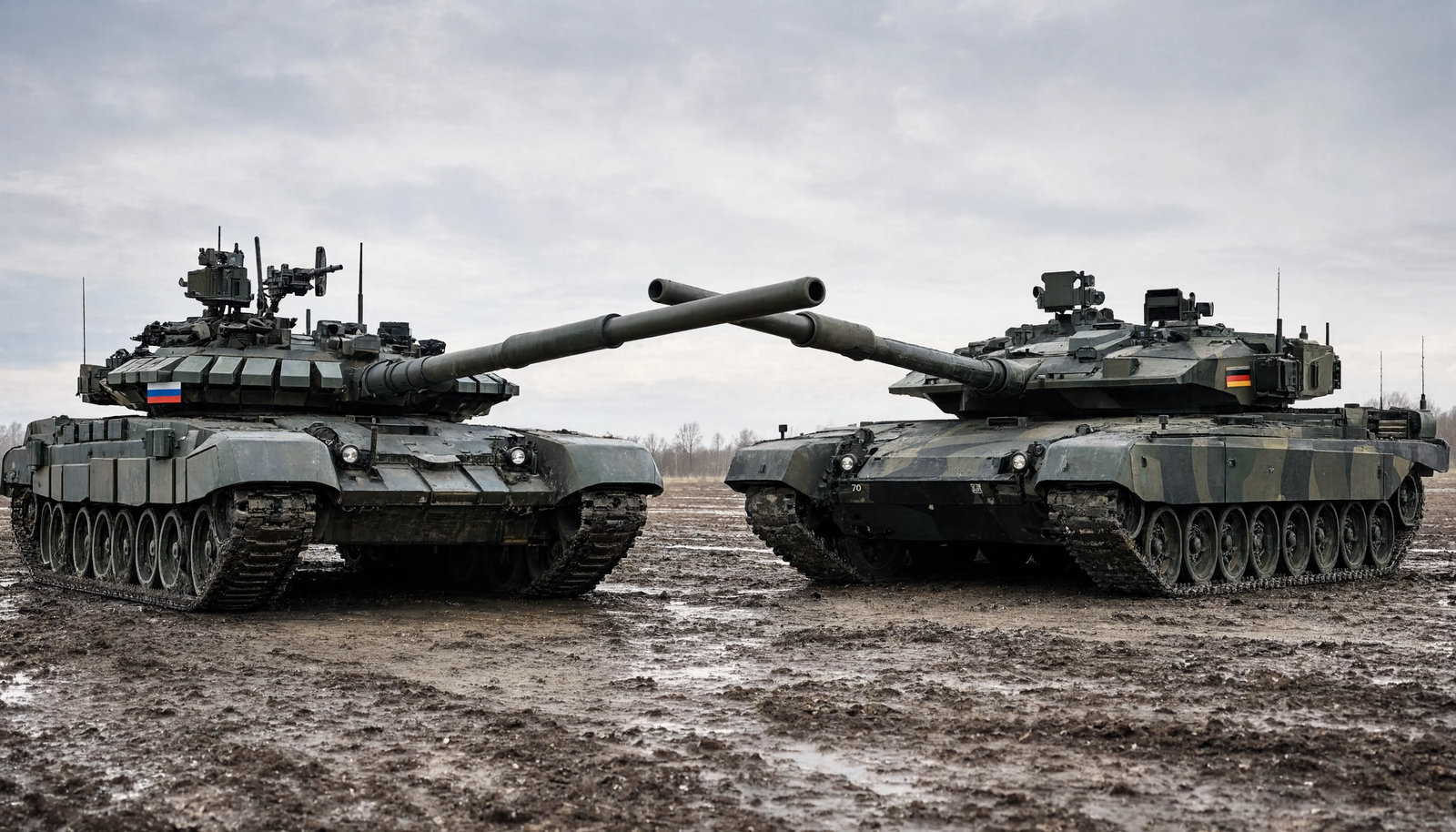
The Russian T-90M "Proryv" and the German Leopard 2A7V are modern representatives of two different schools of tank building. The domestic vehicle relies on compactness, an autoloader, and reactive armor, while the Western one focuses on heavy armor, a powerful gun, and a large internal volume.
"Pervy Tekhnichesky" compared the tanks based on five key criteria and attempted to identify the winner.
Firepower
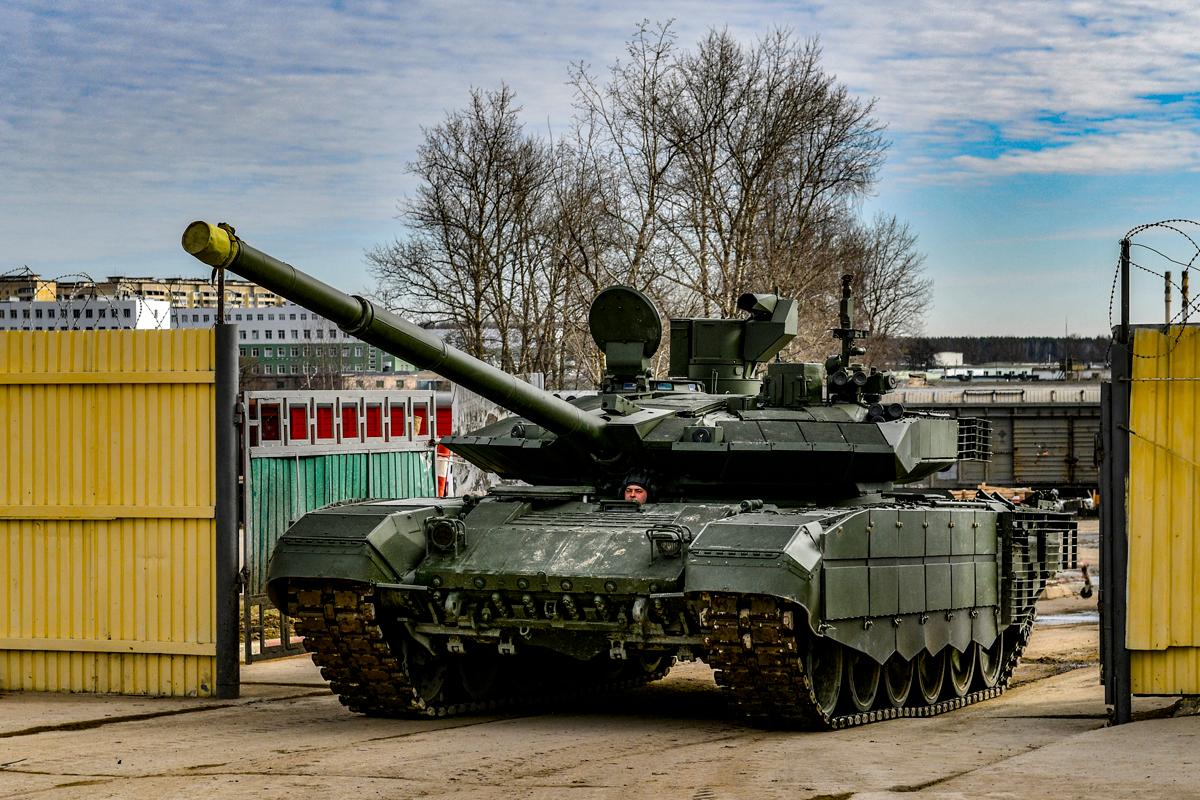
The T-90M is equipped with a 125-mm 2A46M-5 gun with an autoloader. Its main advantage is the "Invar-M1" missiles, which are launched through the barrel and hit targets at a distance of up to 5 km.
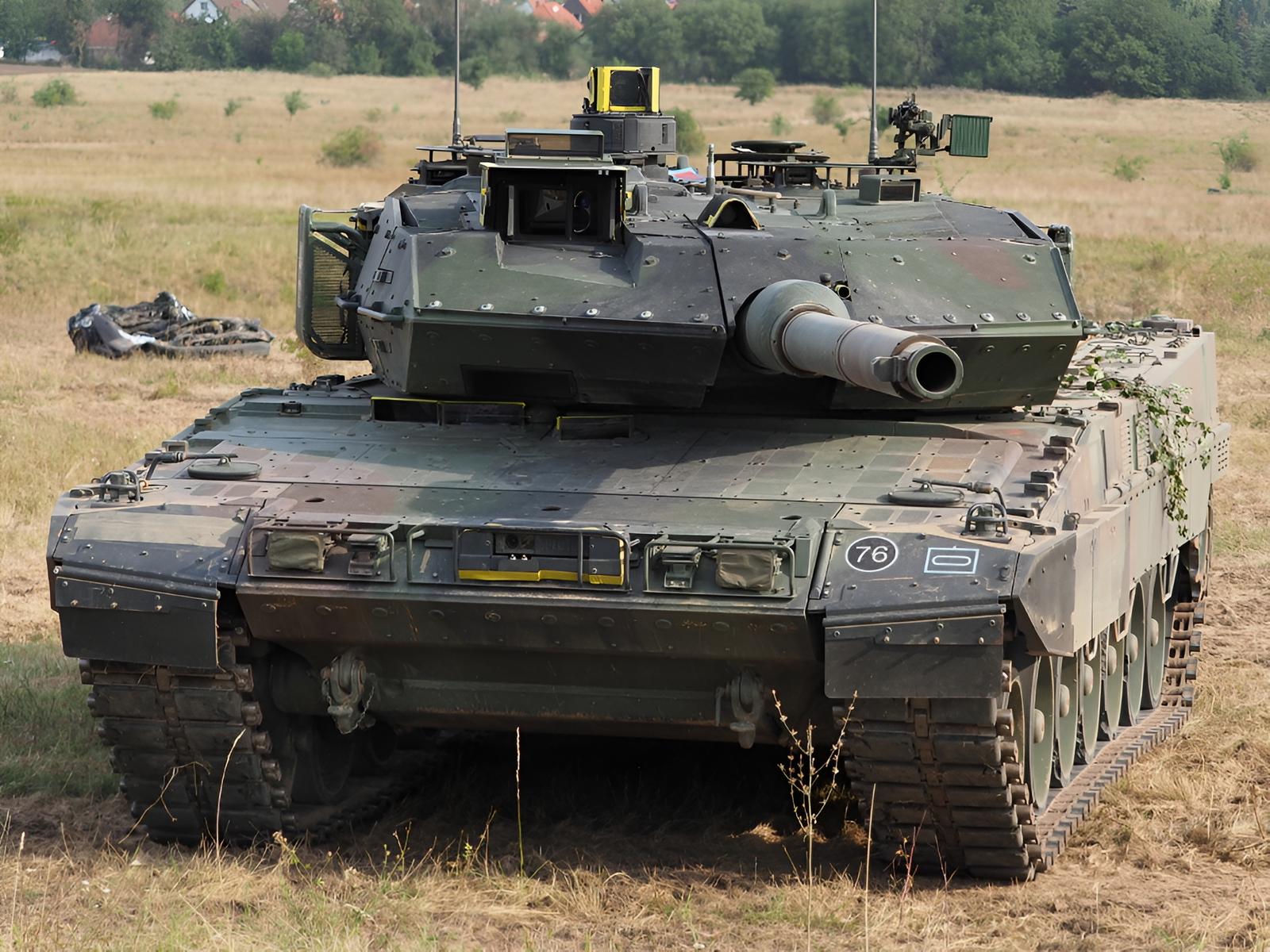
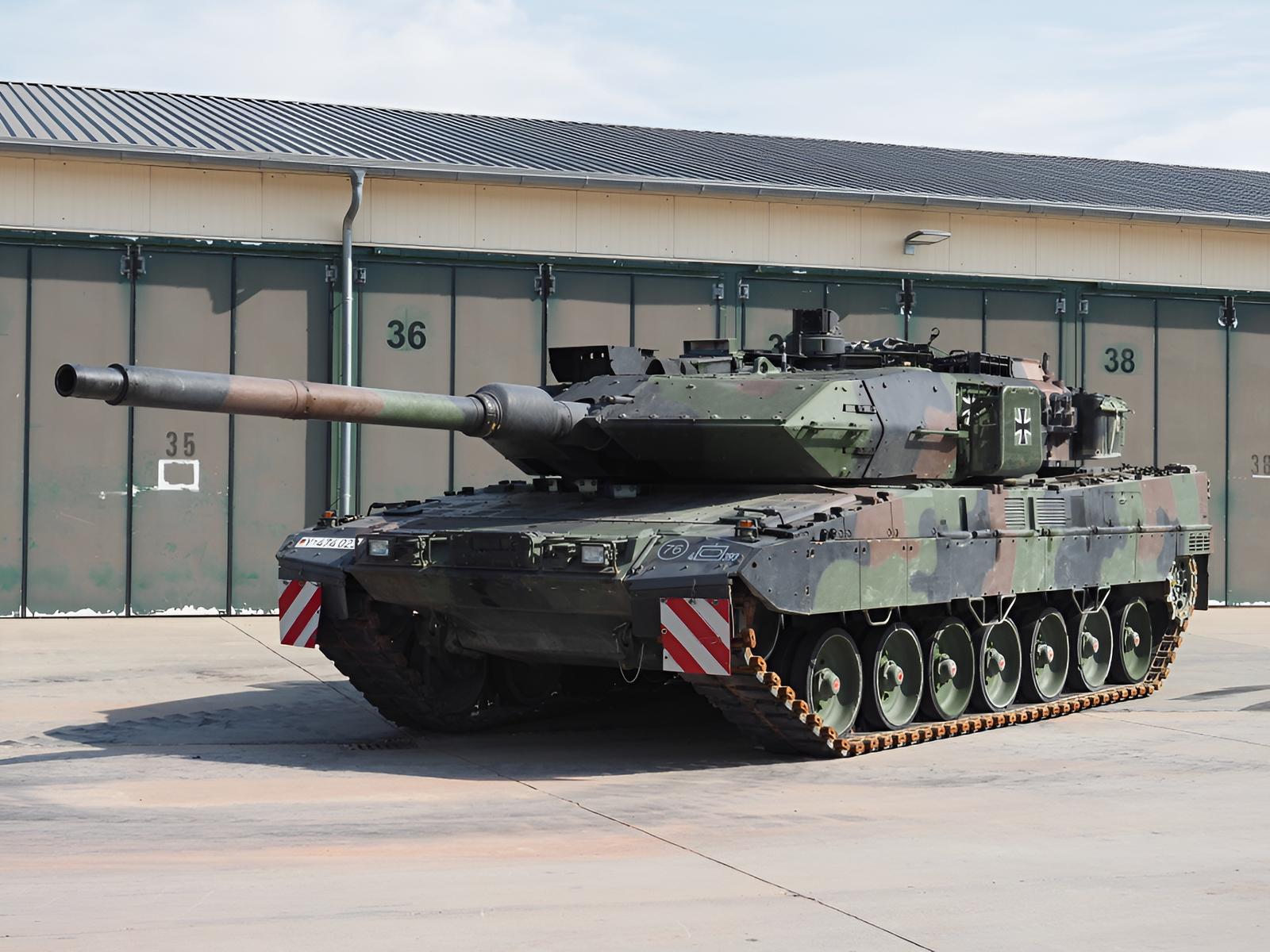
The Leopard 2A7V received a 120-mm gun with manual loading. The weapon is designed for modern DM63 and DM73 armor-piercing shells with high muzzle velocity and energy.
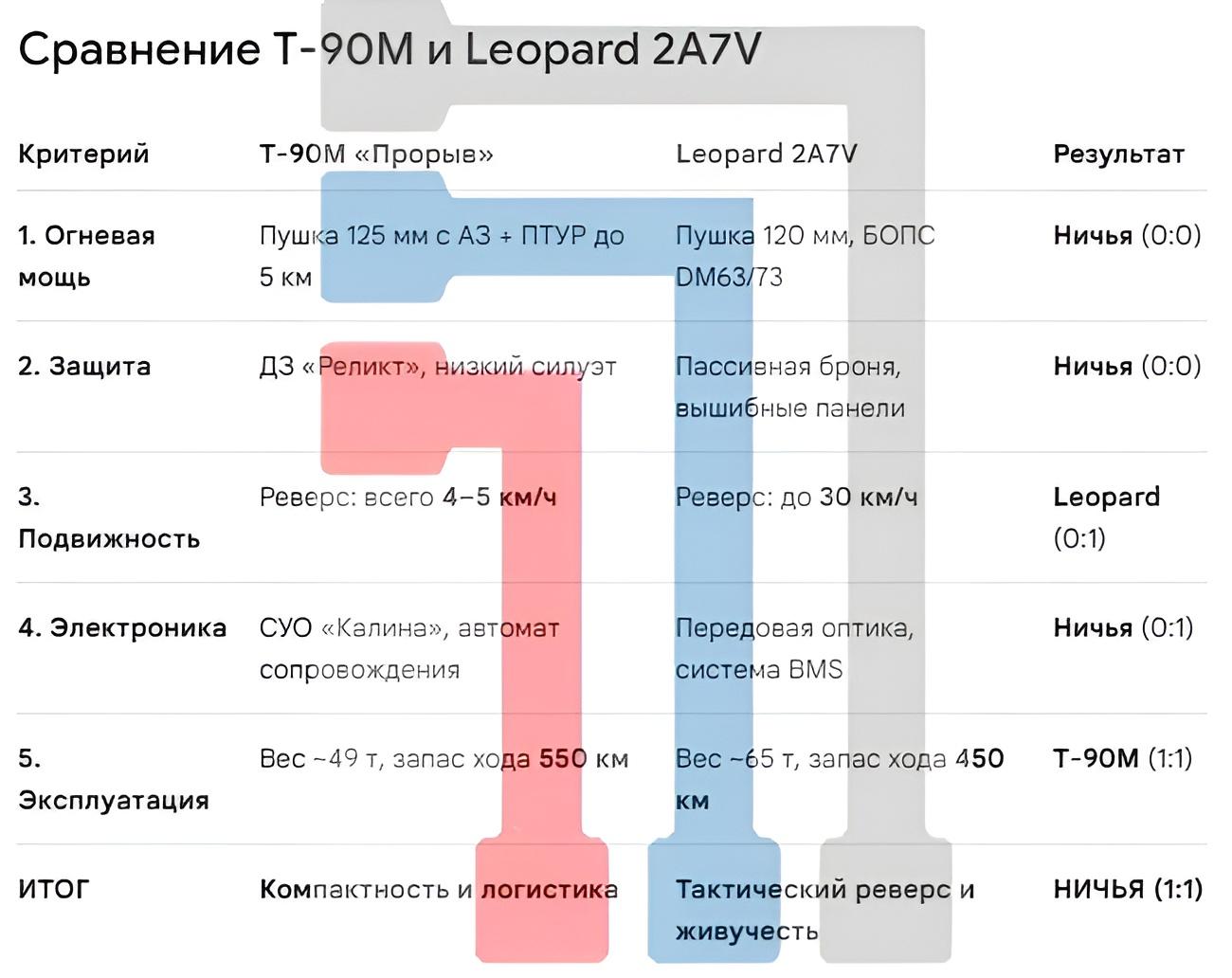
The "Proryv" is stronger at long distances due to its guided weapons, while the Leopard excels when firing armor-piercing shells. A draw seems logical here.
Protection
The Leopard 2A7V, weighing about 65 tons, relies on massive passive composite armor. The ammunition is mainly located in an isolated rear turret niche with blow-out panels.
The T-90M weighs about 48–50 tons, has composite armor and "Relikt" reactive armor. The Russian tank is almost half a meter lower and significantly more compact. There is also initial evidence of the installation of "Arena-M" active protection, but it is not yet in widespread use.
The Leopard wins in passive protection and ammunition survivability, while the T-90M wins in smaller dimensions and the combination of armor with reactive armor. It is difficult to identify a clear winner. When the "Proryv" widely receives an APS, the German vehicle will have no answer to such a trump card, but for now, it's a draw.
Mobility
The T-90M with a V-92S2F engine producing 1130 hp, with a mass of about 50 tons, delivers approximately 22–23 hp per ton of weight.
The Leopard 2A7V with 1500 hp and a mass of about 65 tons — about 23 hp per ton. The maximum speed of both vehicles reaches approximately 60–70 km/h.
The main difference is reverse speed. The Leopard can move backward at approximately 30 km/h, while the T-90M can only move at about 15 km/h. This allows the German tank to retreat faster from fire while maintaining its frontal projection, making the German tank preferable here.
Electronics and FCS
Both tanks received modern fire control systems, thermal imaging channels, and panoramic commander's sights.
The T-90M is equipped with the "Kalina" system, an automatic target tracker, and digital control systems. The Leopard 2A7V received a modern digital architecture and advanced observation tools.
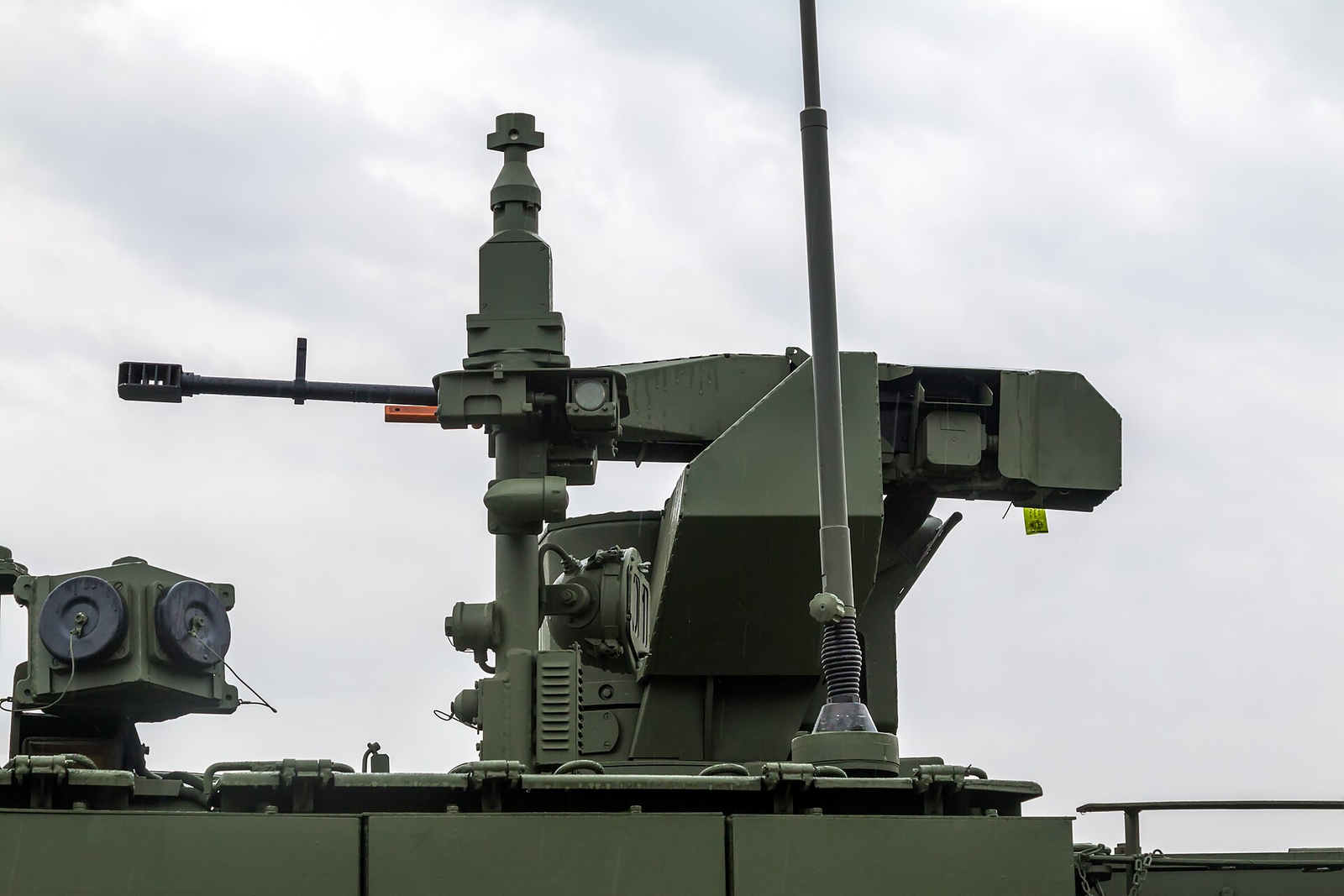
Both vehicles implement the "hunter-killer" principle, so with the available open data, it is incorrect to objectively give the round to one side; it's a draw.
Operation
The T-90M is approximately 15 tons lighter than its competitor. This reduces requirements for bridges and transport infrastructure, facilitates transportation, and improves cross-country capability on soft ground.
The Russian vehicle also uses components unified with the T-72/T-90, which simplifies supply and repair. The cruising range reaches 550 km compared to approximately 450 km for the Leopard 2A7, so the "Proryv" wins.
Final score — 1:1 with three draws.
The Leopard 2A7V wins due to its powerful armor and especially high reverse speed. The T-90M responds with lower weight, compactness, an autoloader, and guided weapons.
The Leopard 2A7V is a heavy platform with an emphasis on protection and tactical mobility. The T-90M is a more compact tank, combining firepower, protection, and operational mobility.
Read more on the topic:
Never miss our newsAdd this site to your preferred sources to see us more oftenAdd on Google