The T-90M "Proryv" and Challenger 3 represent different approaches to creating a modern main battle tank. The Russian vehicle is lighter and more compact, while the British one received a new gun, enhanced armor, and an active protection system.
"Pervyy Tekhnicheskiy" compared the tanks based on five key criteria.
Firepower
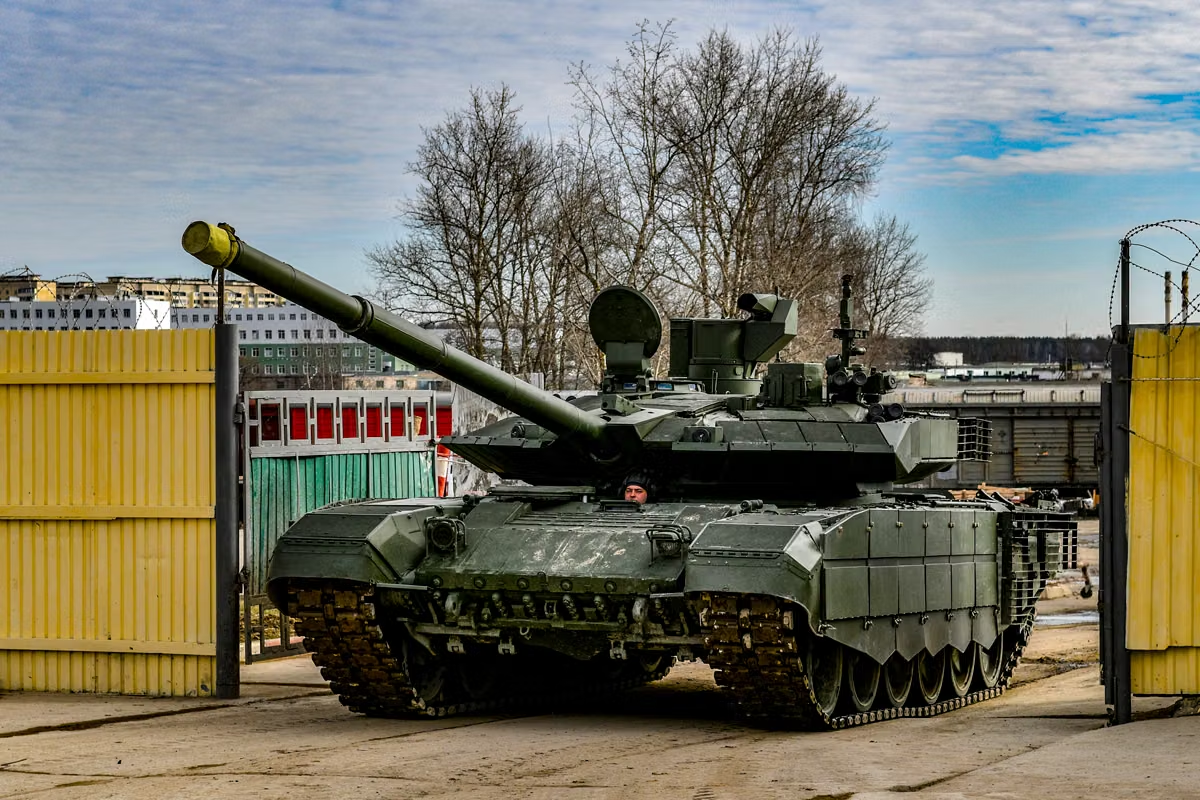
The T-90M is armed with a 125-mm 2A46M-5 gun with an autoloader and can use "Invar-M1" guided missiles at a range of up to 5 km.
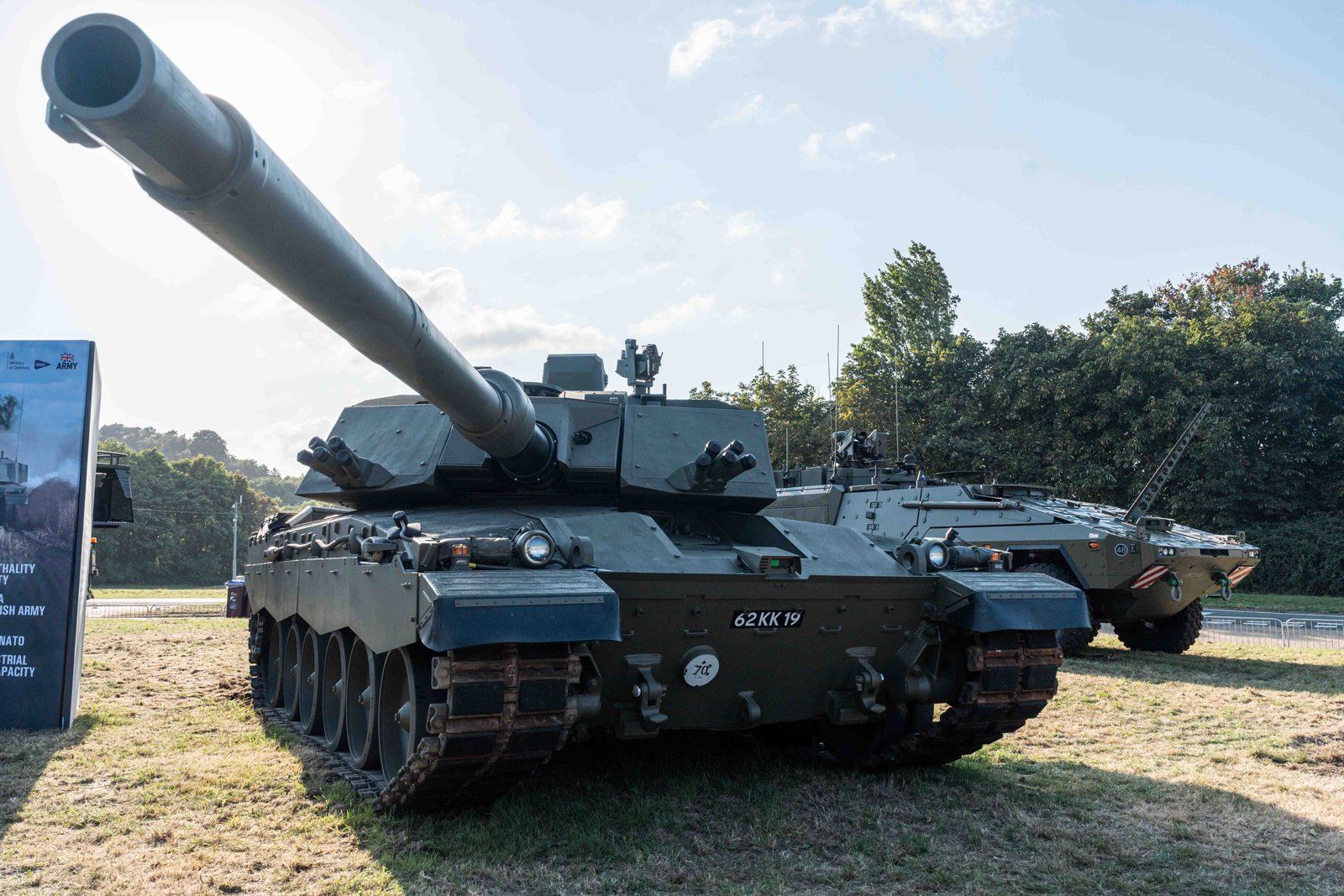
The Challenger 3 received a 120-mm Rheinmetall L55A1 smoothbore gun, designed for modern NATO ammunition.
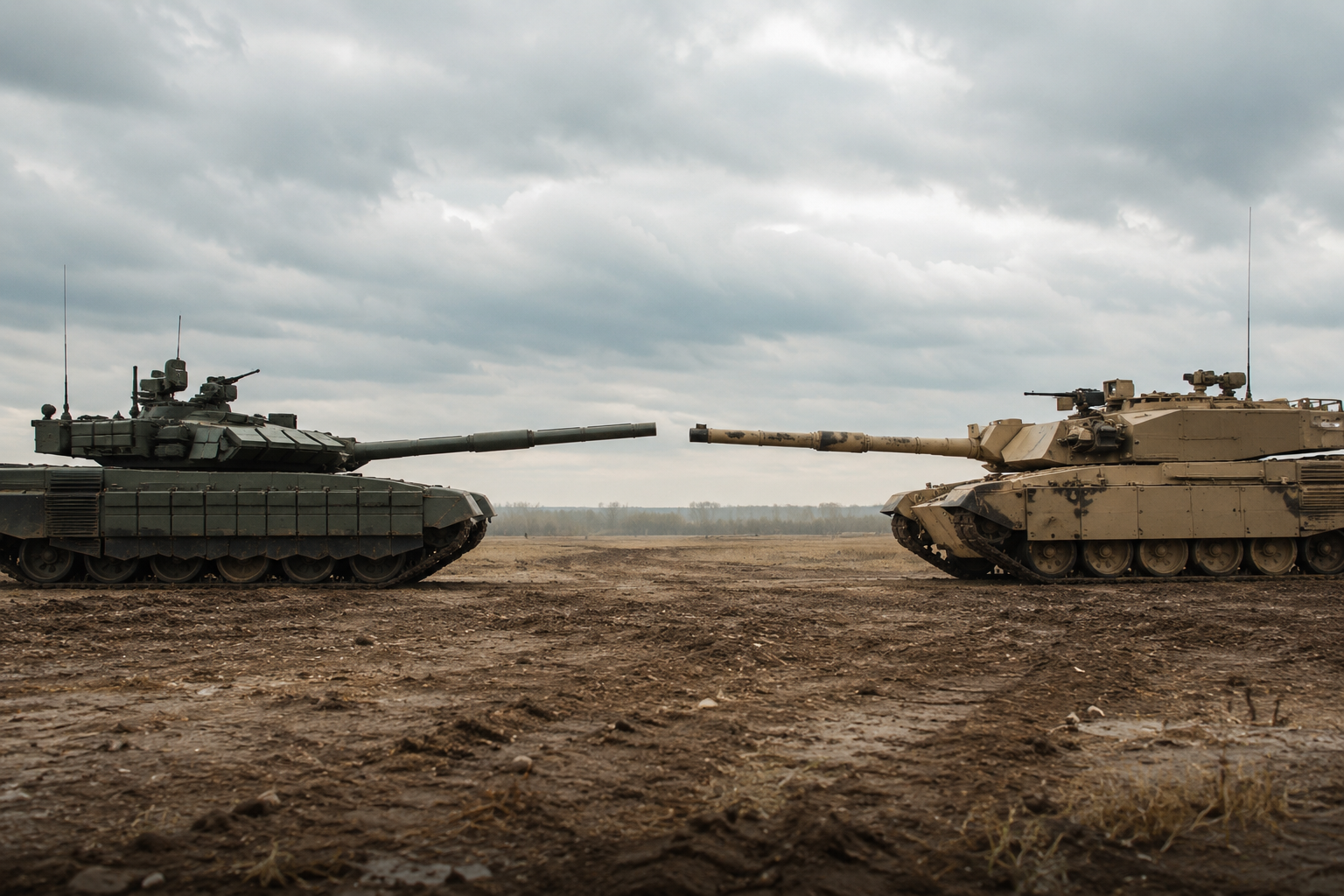
The T-90M has an autoloader that consistently delivers 8 rounds per minute. Plus, it fires missiles up to 5 km, which the Challenger 3 cannot do at all, so we give the victory to the "Proryv".
Protection
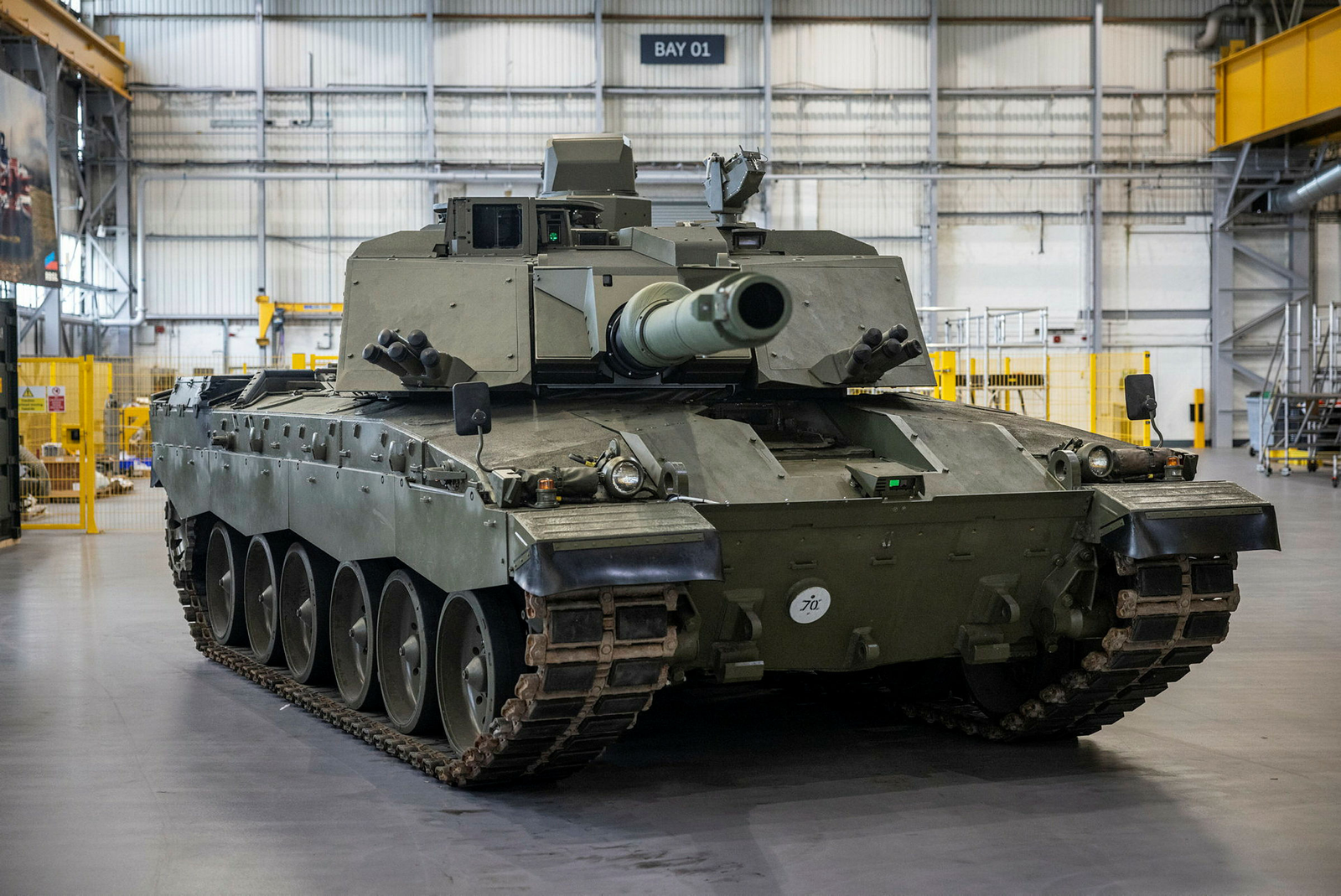
The Challenger 3 received new modular armor, a laser warning system, and an active protection system. The British army directly attributes the APS as a key element of the new vehicle's survivability.
The T-90M uses combined armor and "Relikt" explosive reactive armor. At the same time, the Russian tank is noticeably more compact and lighter: its mass is about 48–50 tons compared to the significantly greater mass of the Challenger 3.
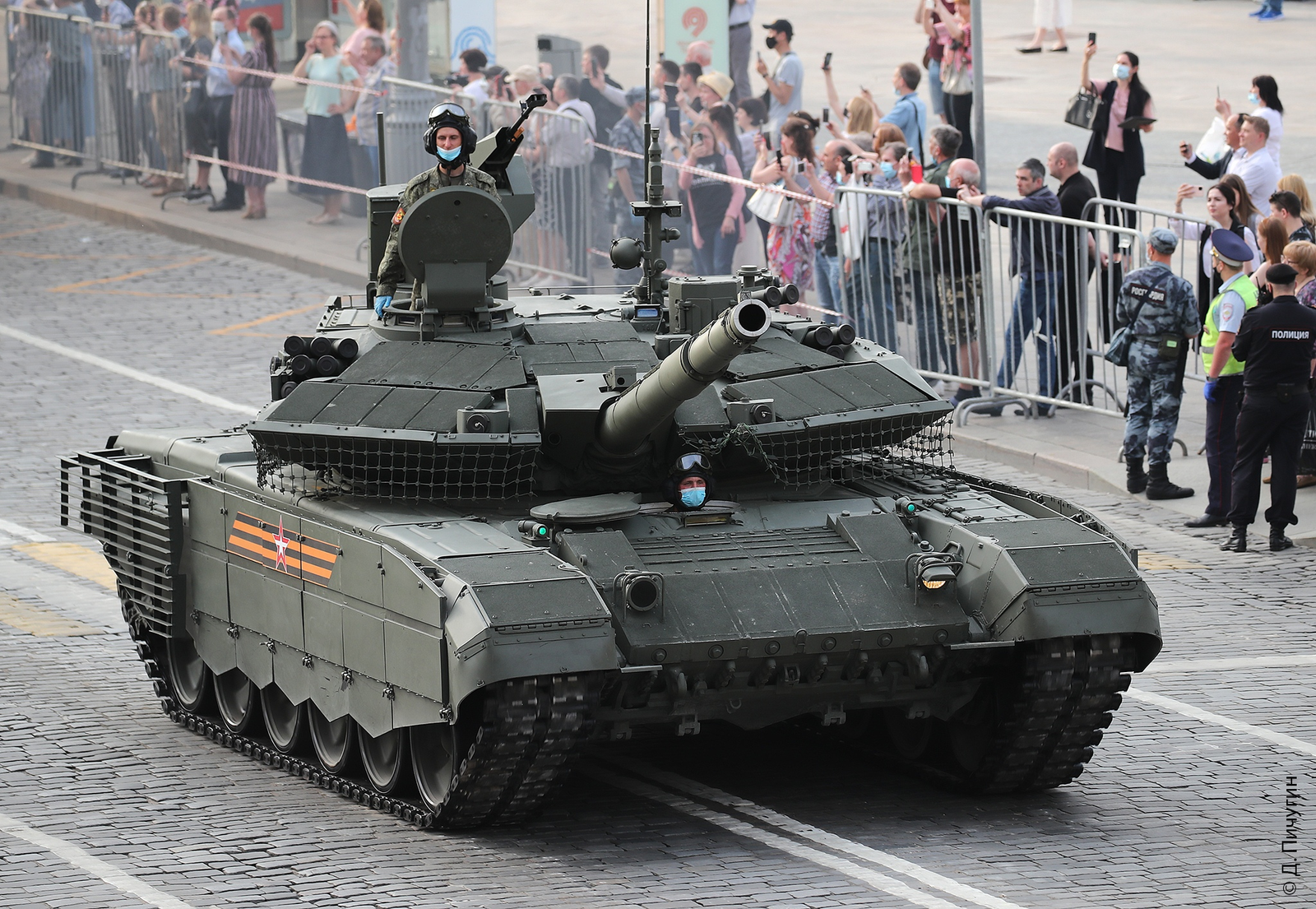
The T-90M does not have an APS as standard – it takes all hits directly (on "Relikt" ERA and passive armor), so the British tank looks more preferable.
Mobility
The T-90M is equipped with a V-92S2F diesel engine with 1130 hp. With a mass of about 50 tons, it has a power-to-weight ratio of approximately 23 hp per ton.
The Challenger 3 received an upgraded engine and running gear, but the vehicle itself remains a heavy platform. The British army specifically points to the modernization of the power plant and suspension as part of the program.
The Russian tank wins due to its lower mass and higher power-to-weight ratio. For movement over soft ground and deployment, such a difference matters. Victory for the T-90M.
Electronics and FCS
The T-90M is equipped with the automated "Kalina" fire control system, thermal imaging channels, and automatic target tracking systems.
The Challenger 3 received a fully digital architecture, new sighting systems, digital target designation, and a modern "hunter-killer" system. The British army calls the digital networked architecture one of the tank's main features.
In terms of digitalization and integration of electronic systems, the Challenger 3 gains an advantage.
Operation
The T-90M is approximately several tens of percent lighter than the Challenger 3. Lower mass simplifies transportation, reduces stress on bridges, and allows for more effective use of the vehicle on soft ground.
The Russian tank also retains the layout solutions of the T-72/T-90 family and uses the V-92S2F engine with 1130 hp, which has been thoroughly "broken in" – we give the victory to it.
Final score – 3:1 with one draw.
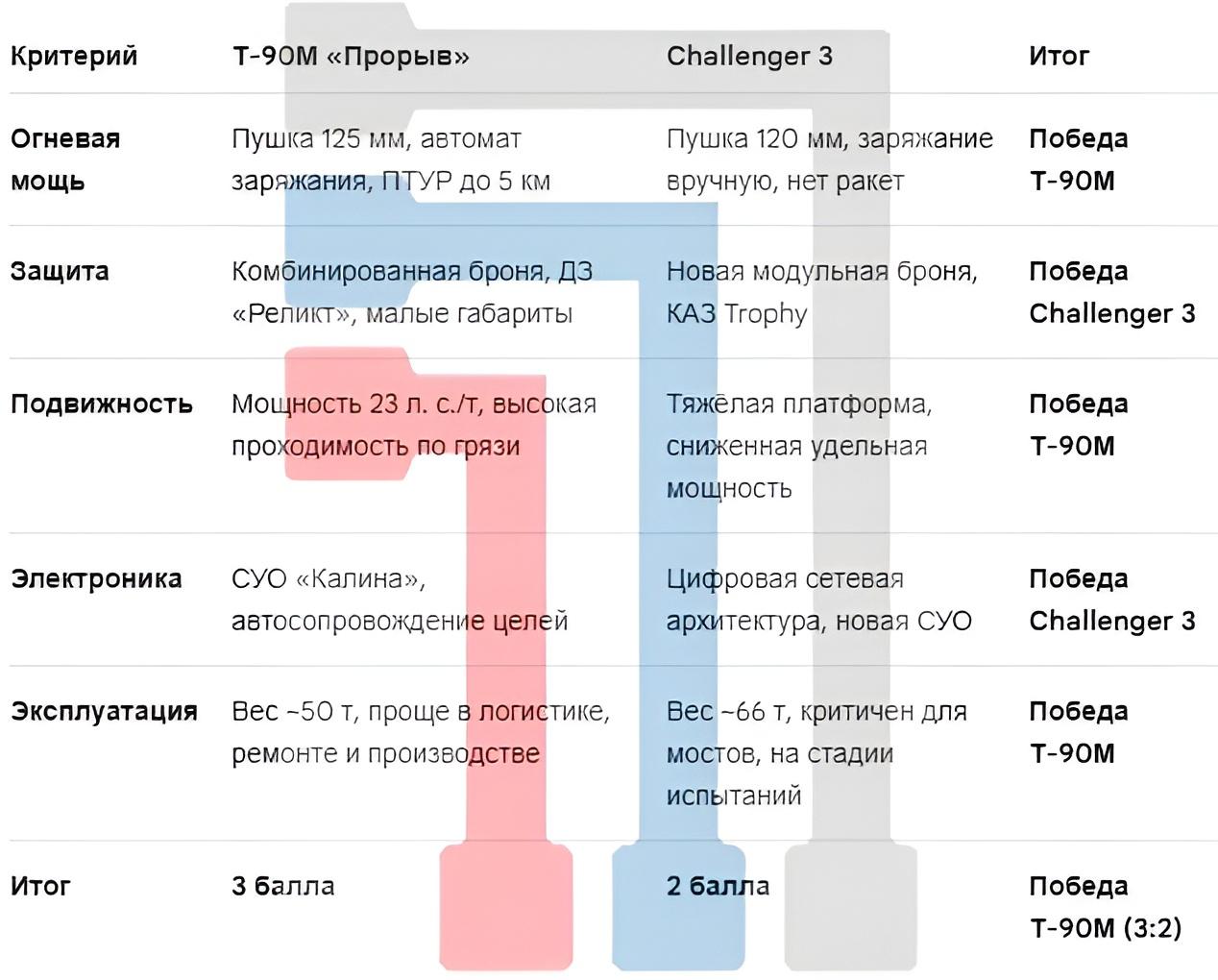
The Challenger 3 gains an advantage in protection and electronics, while the T-90M excels in mobility and operational characteristics. In terms of firepower, the vehicles are close but use different weapon concepts.
Read more on the topic:
Never miss our newsAdd this site to your preferred sources to see us more oftenAdd on Google