Translated with AI from the Russian original.
The start-stop system is a technology that automatically turns off the engine when the car stops and restarts it when it starts moving. It is designed to save fuel, reduce harmful emissions, and reduce noise. But many wonder: does this system harm the engine? Let's see if the start-stop system will help save money or, on the contrary, lead to a serious breakdown.
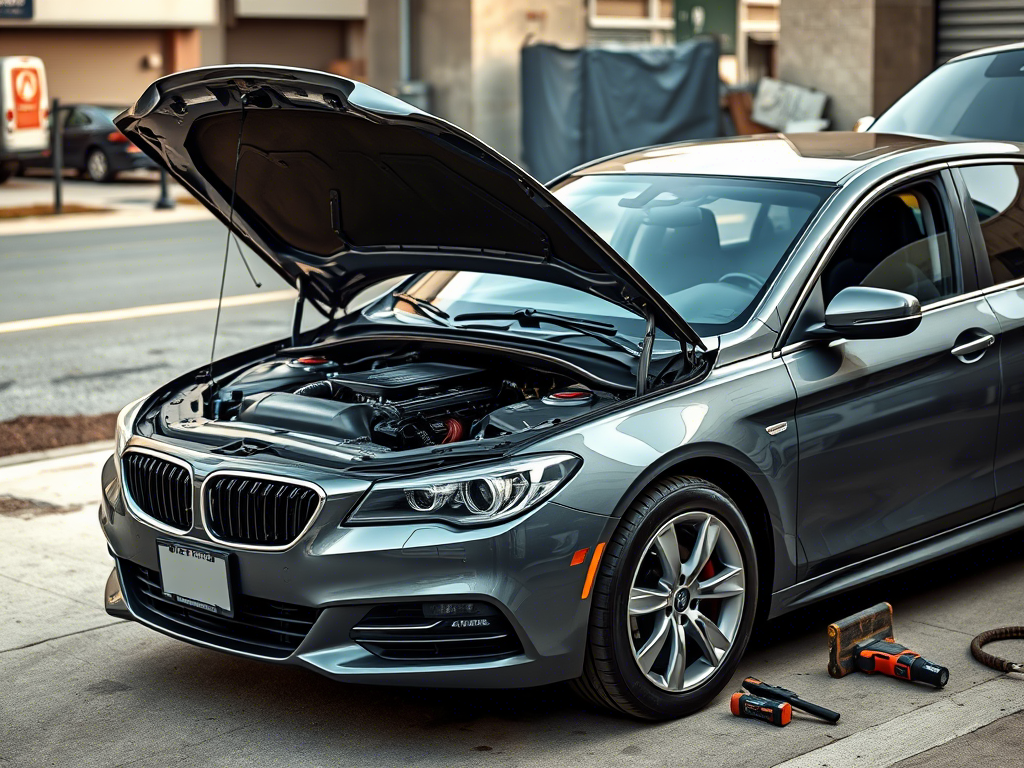
Why are automakers "promoting" the system?
More and more car manufacturers are equipping their models with the start-stop system, including basic configurations. The reason for this is the tightening of environmental requirements.
In September 2018, a new standard (WLTP) was introduced in Europe, which establishes more accurate measurements of fuel consumption, carbon dioxide emissions, and toxic components.
At that time, sales of new cars fell by more than 20%. Many companies did not have time to certify their models, and they were banned. To avoid such problems in the future, automakers began to actively look for solutions.
The start-stop system, which was invented by Toyota back in the 1970s, largely helped to achieve success in complying with the new protocol for measuring environmental standards. If a car does not meet the established standards, its sales may be prohibited, for example, in Europe. This will entail significant losses for companies, so they continue to equip more and more cars with this system.
Is there any real benefit from the Start-Stop system?
Bosch, one of the leading suppliers of elements for the start-stop system, claims that this function can save up to 8% of fuel. However, to achieve such results, it is necessary to comply with many conditions.
The WLTP standard, which was introduced in 2018, and subsequent tests showed that in real-world car operation, fuel savings are usually only 2-3%. Thus, the start-stop system contributes more to reducing emissions of harmful substances than to reducing fuel consumption.
How do regular engine stops and starts affect it?
One of the first situations that comes to mind when it comes to the negative consequences of the start-stop system for internal combustion engines is the automatic shutdown of the engine at traffic lights until it warms up to operating temperature. Obviously, this can increase the load on the engine. But what is the situation in practice?
The start-stop system has become more advanced, but it only works under certain conditions. For example, the system will not activate if the crankshaft speed does not correspond to idle mode, the temperature in the cabin and outside is higher or lower than the recommended value, the battery is discharged, and the engine is not warmed up. Also, the system will not activate if the transmission is operating in "off-road" mode. Different car manufacturers can program other scenarios as well.
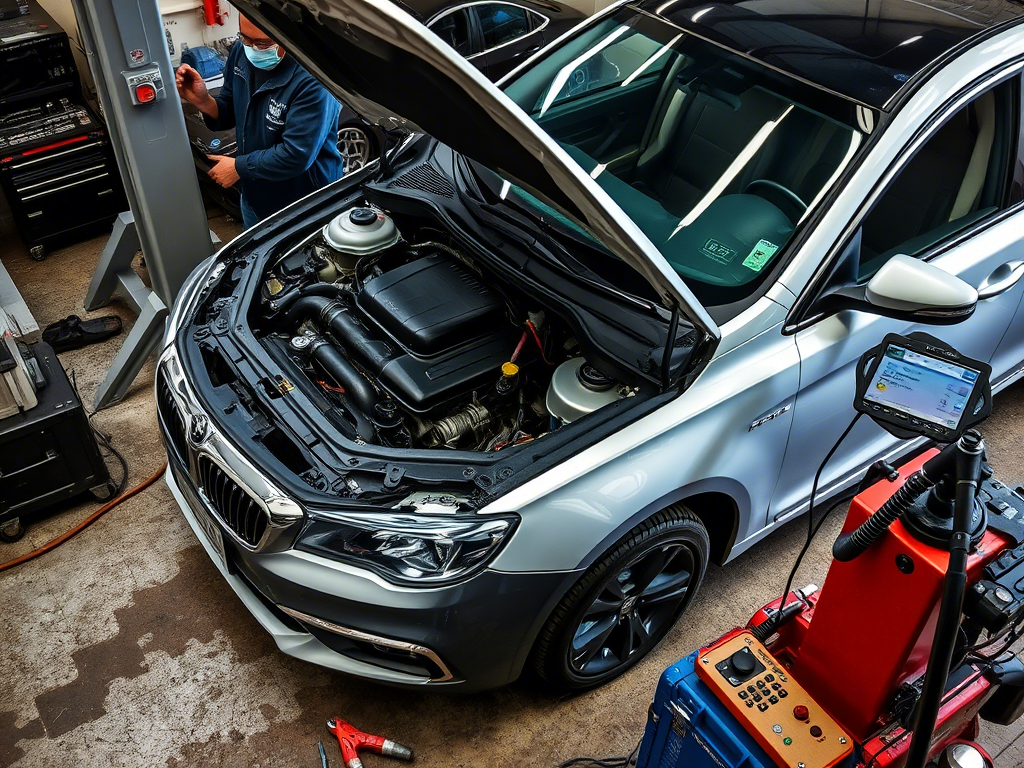
The situation is ambiguous. The system really adapts to certain conditions and does not turn on if one of the requirements is not met. However, the danger is not the attempts to start cold, but the frequent starts of the internal combustion engine.
Even if you use a more powerful battery and generator recommended by the manufacturer, regular engine starting during trips negatively affects the service life of the engine and attachments. For example, the starter and flywheel ring gear may wear out.
The start-stop system negatively affects the condition of the engine: the wear of plain bearings and supporting elements of the crankshaft is accelerated. Frequent starts in short periods of time increase friction between mating parts, which are forced to start moving with less lubrication, since the heated oil flows into the pan faster.
The automatic transmission also "suffers". In cars equipped with a start-stop system, automatic transmissions have hydraulic accumulators with a valve. This valve maintains oil pressure in the system when the engine is not running. However, due to increased loads, the solenoids in such gearboxes fail, which requires more frequent maintenance.
Earlierwww1.ru reported that in winterfuel consumption in a car may increase, and this is a natural phenomenon that should not cause concern. However, it is worth remembering that the permissible increase in consumption should not exceed 500 milliliters of gasoline or diesel per 100 kilometers of track.
Read more materials:
The State Duma proposes to tighten penalties for improper road maintenance
Mistaken sense of confidence: why all-wheel drive is dangerous when skidding
Three cars that a novice driver should not buy
Note to drivers: what you absolutely should not do on a new car until the end of the break-in
Never miss our newsAdd this site to your preferred sources to see us more oftenAdd on Google

















