The oceanographic research vessel "Yantar" of Project 22010 "Kryuys" serves in the Northern Fleet of the Russian Navy. The ship is designed to explore the World Ocean and is equipped with deep-sea manned and autonomous underwater vehicles capable of diving up to 6 km.
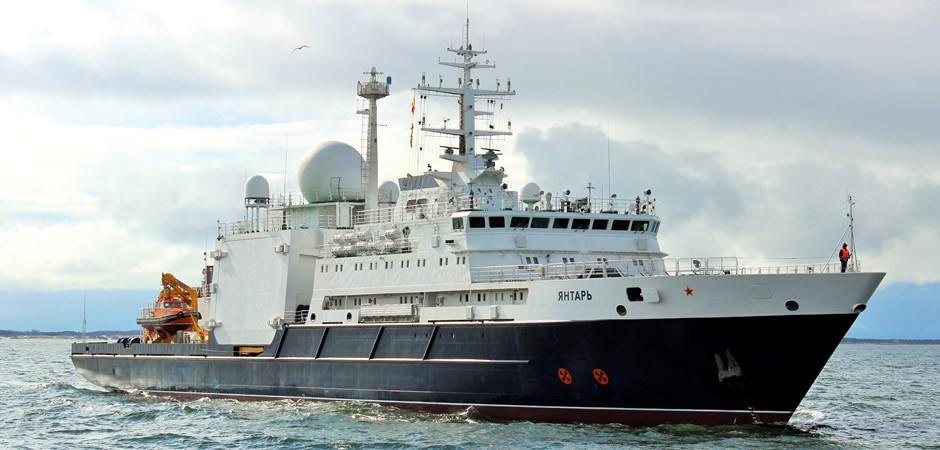
The closed nature of the workattracts the attention of foreign navies - they suspect "Yantar" of performing special tasks and even make accusations of "aggressive activity."
"Yantar" is a vessel of traditional architecture, with a helicopter platform in the bow. The total length of the ship is 108 m with a maximum width of 17.2 m. The full displacement is more than 5200 tons.
The vessel is equipped with high-power diesel generators, which are responsible for powering the bow thruster and two rudder propellers. "Yantar" develops a speed of at least 15 knots. The cruising range is 8,000 nautical miles.
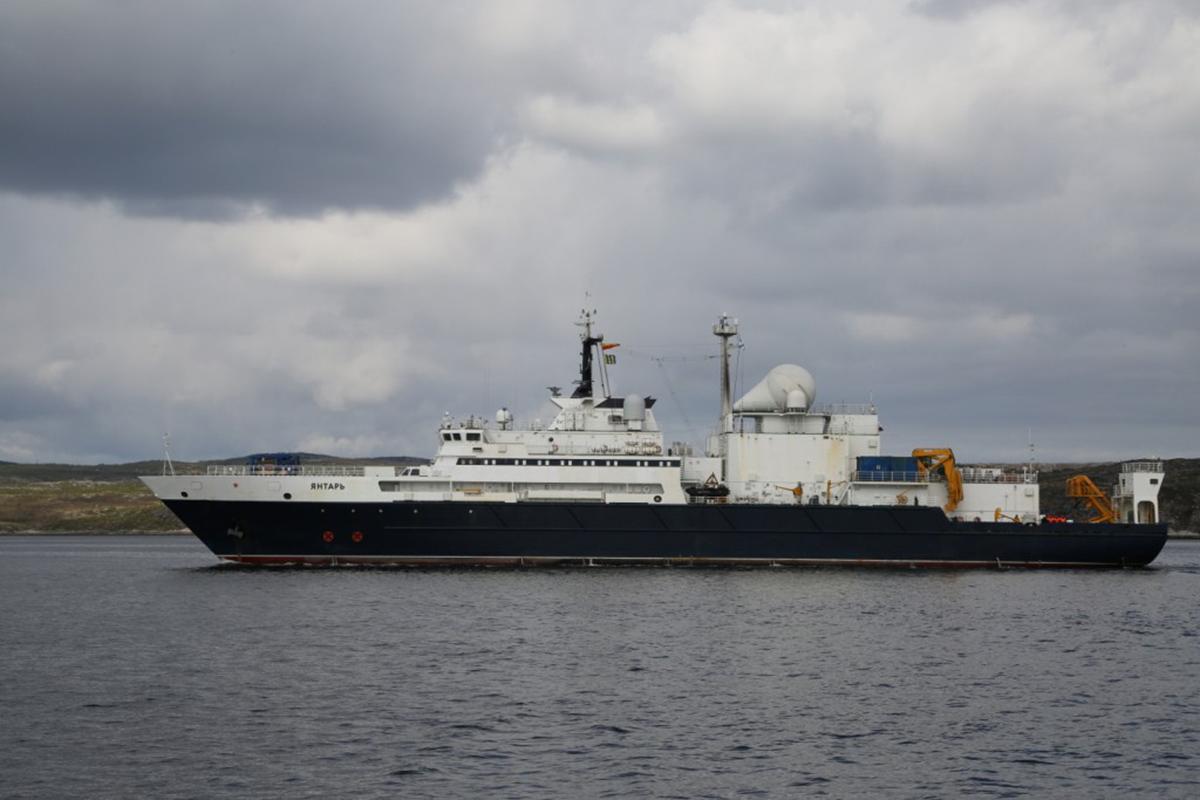
According to open data, the ship's crew includes 60 people. A scientific group can be taken on board to assist in solving the main tasks. Autonomy in terms of supplies is 60 days. The ship can accommodate helicopters on board, for which it is equipped with a special platform.
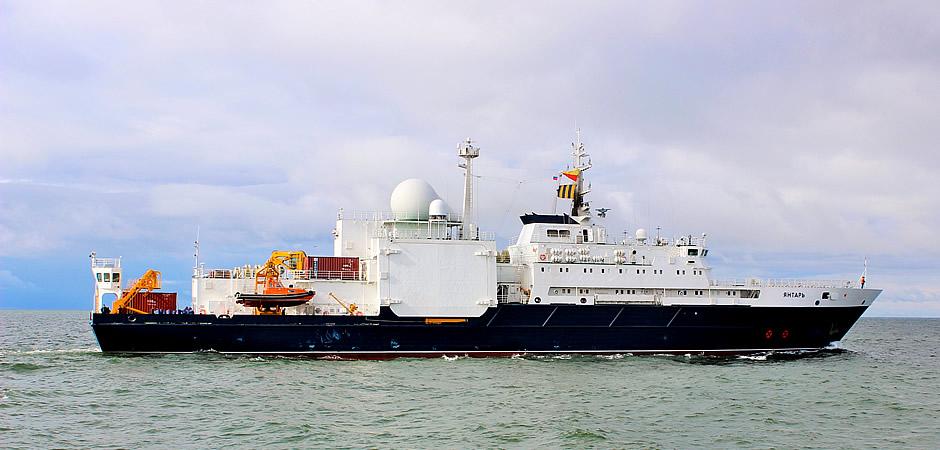
The target equipment of "Yantar" officially remains unknown. Presumably, the ship is equipped with a complex of electronic warfare equipment for various purposes and a sonar system. With the help of all these devices and systems, the ship navigates, searches for surface and underwater objects.
"Yantar" is a carrier of underwater vehicles. The aft part of the superstructure is a large hangar for accommodating underwater equipment. The hangar is equipped with a crane for unloading and lifting vehicles on board.
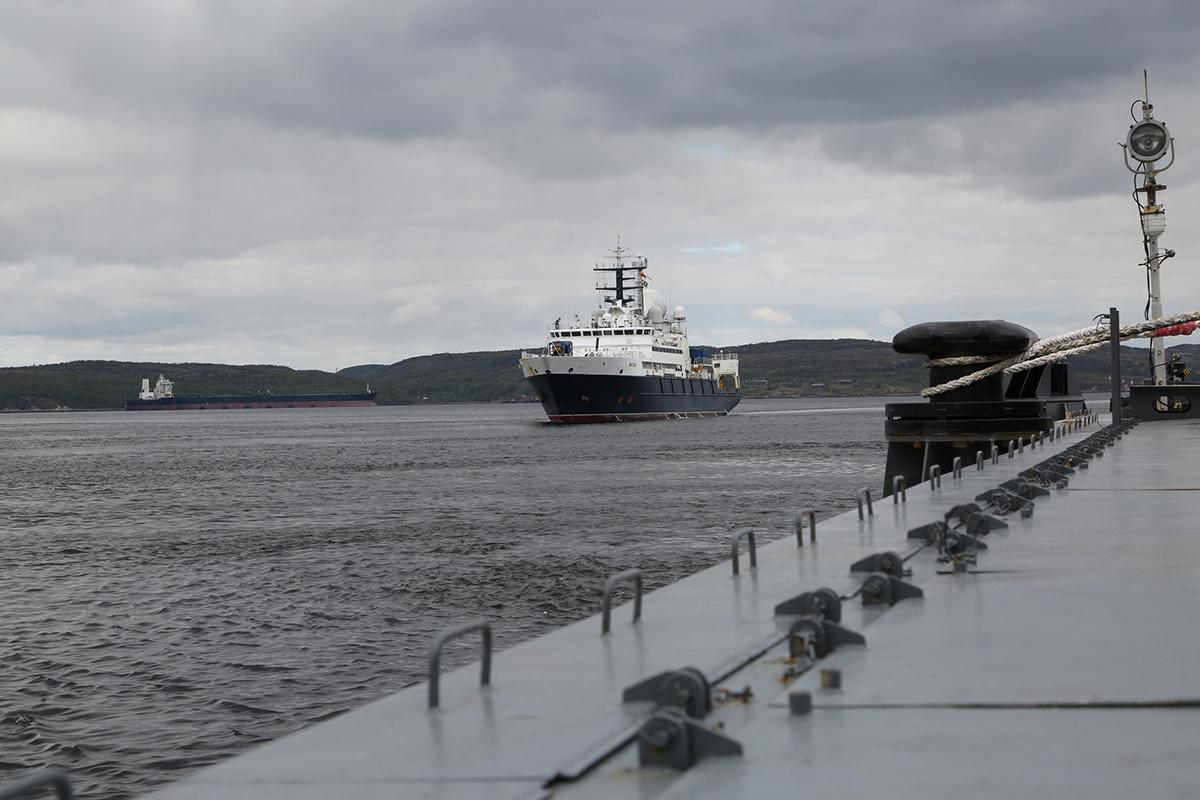
"Yantar" can carry up to two underwater vehicles of Projects 16811 "Konsul" and 16810 "Rus". They are designed fordives to the seabed for research, sample collection, or various tasks. The full list of functions and capabilities of such devices is unknown.
Earlier,www1.ru reported thatthe British Navy mistook a farting whale for Russian deep-sea vehicles.
Read also:
Reliable barrier: special units have been created in Russia to protect rear facilities from UAVs
Never miss our newsAdd this site to your preferred sources to see us more oftenAdd on Google