Russia is actively participating in the robotization process: robots can already be found in the workshops of AvtoVAZ andKAMAZ, at the enterprises ofRosatom andYandex. By 2030, 85,000 robots will beintroduced into industrial enterprises in Russia, but this is not the limit: they intend to include mechanical assistants in ordinary life as well. In a few years, they will become as familiar asrover-delivery vehicles that travel through the streets of Moscow and a number of tourist regions.

"Pervy Technicheskiy" has compiled a top 5 of unusual and useful robots presented in Russia in 2024. Some of them are in the testing stage, and some can already be found on the street or at the airport.
Saturn Underwater Submarine Welding Robot
"Saturn" is the world's first welding robot that performs mechanized welding in all spatial positions using solid section wire of the austenitic class. It is currentlyundergoing testing, after which the future of the device will be decided. If the welds performed by the robot pass all technical inspections, it will be entrusted with work on Russian nuclear submarines.
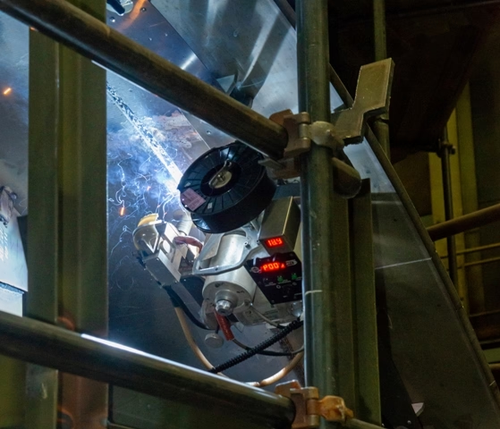
Saturn was developed by specialists from the domestic company ITS-Engineering for USC. It is expected that the robot will be able to increase productivity and quality of work by at least four times compared to conventional manual electrode welding. According to the developer's estimates, Saturn will reduce the number of people in some areas from 20-30 welders to only 6 operator-welders.
BRCH-1 Combat Robot-Soldier
Specialists from NPP Geran announced that they are working on creating auniversal soldier. The appearance of the BRCH-1 has not yet been shown, but, according to the creators, it is an android robot.

It will be very similar to a human, but will surpass a living soldier of flesh and blood in strength, speed and analysis of the environment. In the near future, BRCH-1 will be able to be on the front line and replace soldiers, but before providing them with weapons, a series of tests must be carried out. The first of them will start in early 2025.
Robo-Dogs on the Railway, at Construction Sites and in Mines
For several years, quadruped robots have been actively used in Russia to protect the territories of enterprises and monitor the environment, and they can also carry cargo. But in 2024, it was decided to send robo-dogs to large Moscow construction sites: robots from the "Laboratory of New Products" were included in the Register of Innovative Solutions of the Department of Entrepreneurship and Innovative Development of the City of Moscow. They willmonitor the perimeter of construction sites and track whether workers comply with safety regulations and internal procedures at the facilities.
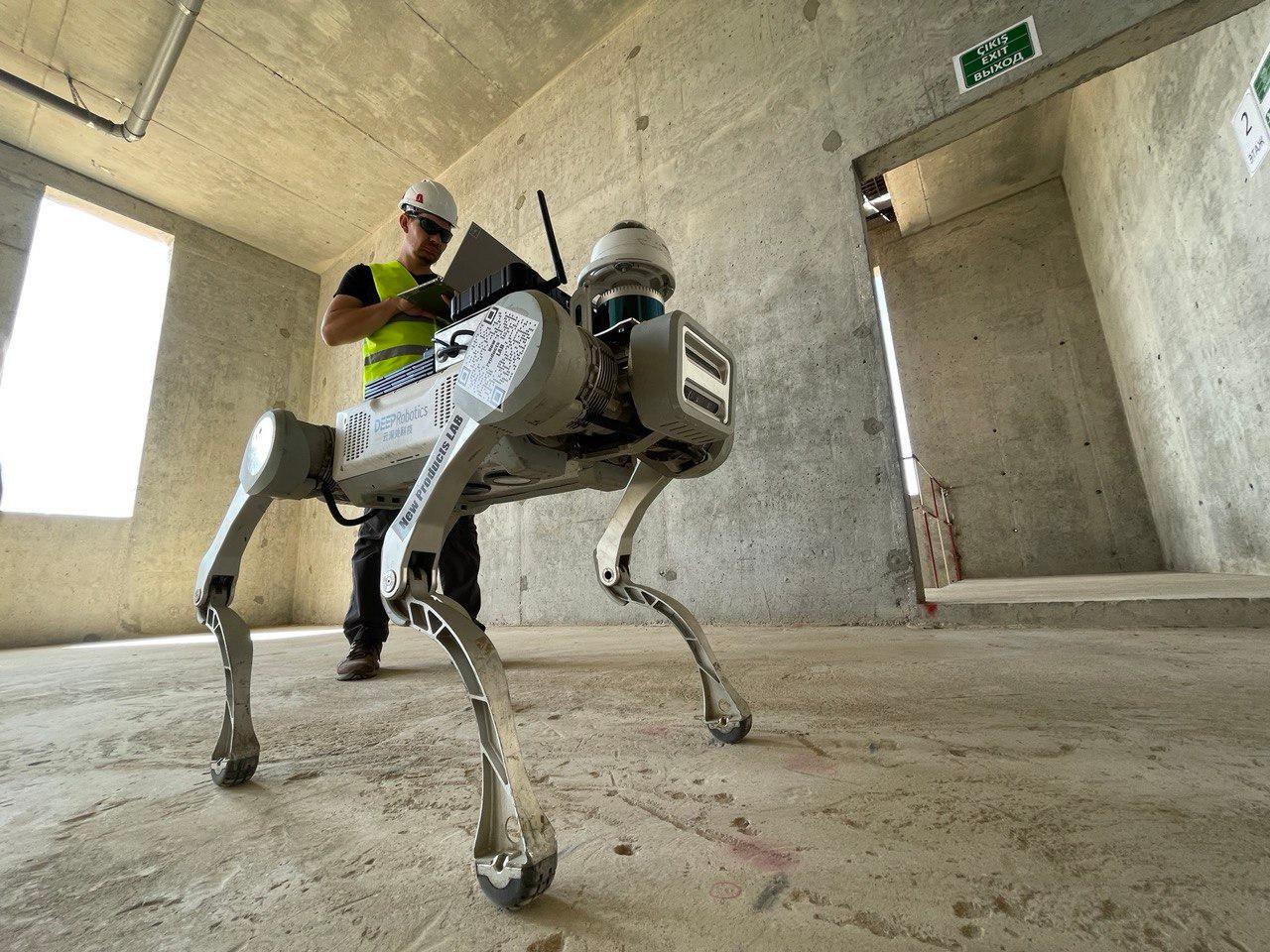
In addition, robo-dogs, when equipped with additional sensors, can determine the integrity, temperature, vibration of equipment, instrument readings, and leakage of heat and gases at a construction site or at an operating enterprise. Therefore, in 2024, they appeared for the first time in Russian mines:the robo-dog "Dobrynya" descended into the mines of the Perm Territory.
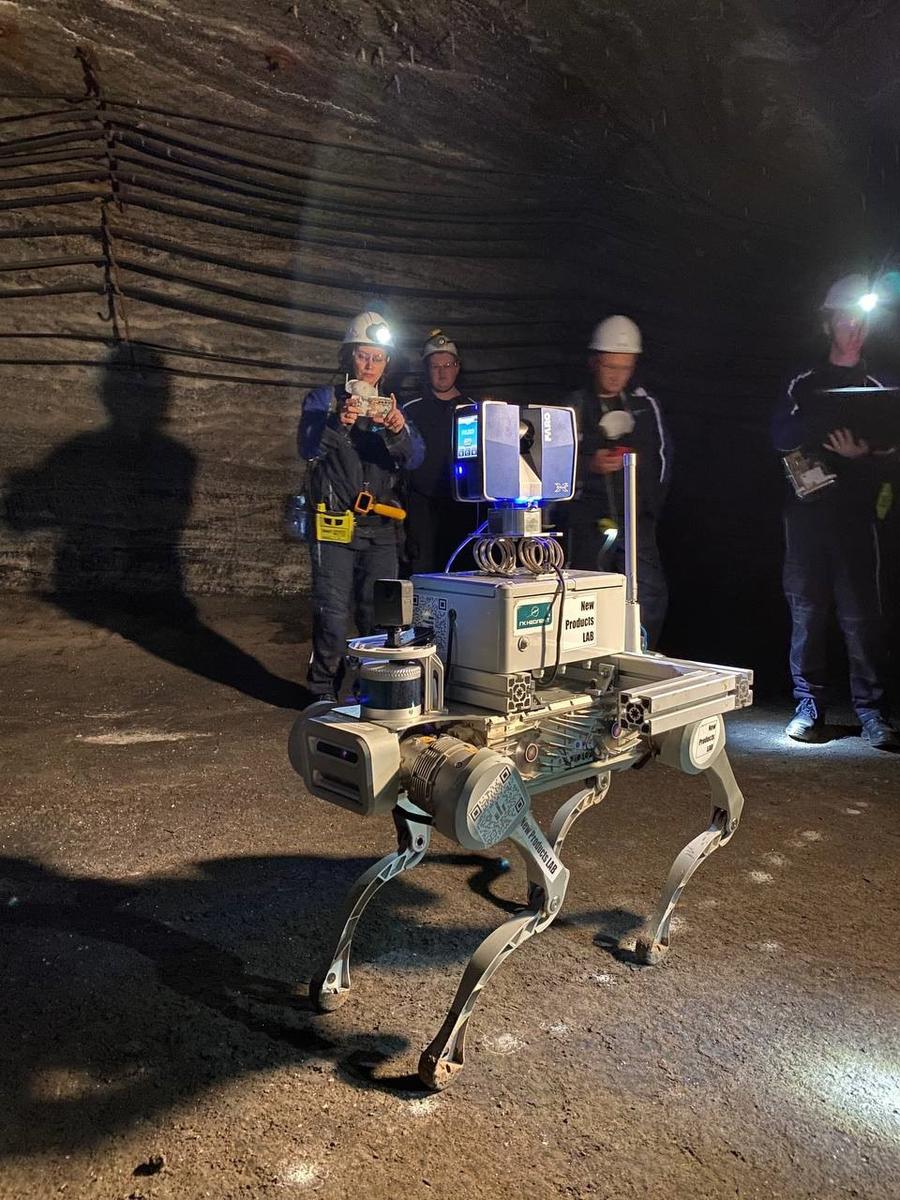
"Dobrynya", also known as Deep Robotics X20, is capable of being controlled by an operator using a remote control, and of operating autonomously, following a pre-built route. Instead of a person, it can bypass mines, inspect mine workings, collect data, register potential risks for miners and emergency locations where it is dangerous for a person to be. Testing in mines has shown that "Dobrynya" copes with these tasks successfully. However, this robo-dog is not entirely of domestic production: Deep Robotics X20 comes from China, but is easily adapted to Russian needs.
It was decided to take quadruped robots to work at Russian Railways as well. Here, robo-dogs willtest sections of the railway that are dangerous for people. To do this, they were placed not only on their paws, but also on wheels.
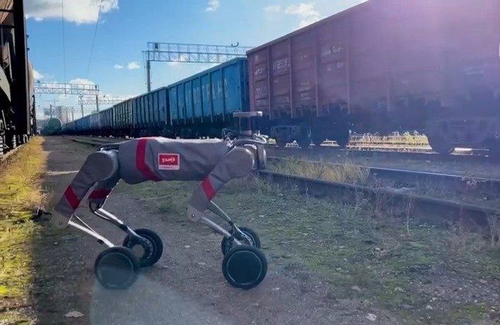
Robo-dogs are equipped with lidars and cameras for data collection, and the information they receive is automatically sent to the operator's computer.
Airport Employee: Piranha Rover
New Russian autonomous robotic platforms "Piranha" recentlystarted working in Pulkovo. They can work around the clock with breaks for recharging every 8 hours. These rovers are capable of towing up to 500 kg of cargo, or carrying up to 300 kg of cargo on themselves.
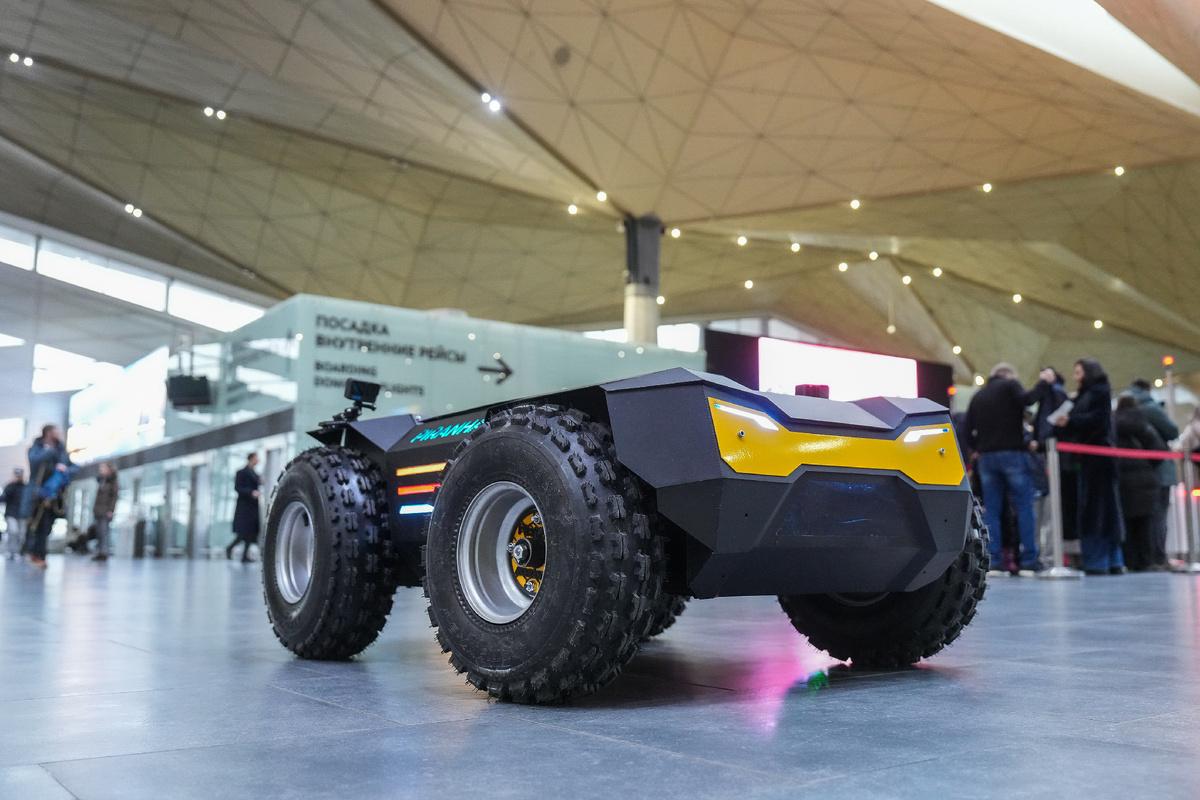
So far, they have been entrusted with the transportation of oversized baggage and baggage of passengers with limited mobility, as well as ensuring transportation in the baggage handling service. Later, the rovers will help passengers navigate the terminal.
If necessary, "Piranha" at the airportwill be able to perform a number of specific tasks not directly related to the transportation of goods and assistance to passengers. For this, it can also be equipped with special equipment: for example, a rotating camera with an additional thermal imaging module, acoustic cameras, and radars, gas analyzers.
Garbage Cleaning Robot
Russian roboticists have been working in this direction for several years. Their most famous development is the electricPixel cleaning robots. For more than a year, they have been delighting Muscovites by removing snow, leaves and garbage in parks, replacing a number of janitors, and working around the clock.
In 2024, Moscow developers from 168roboticsshowed an alternative to this development: a new version of their cleaning robot. BRO 2.1 is safe to work in both offices and urban environments. Sensors help it identify people and objects, plan a route and bypass obstacles.
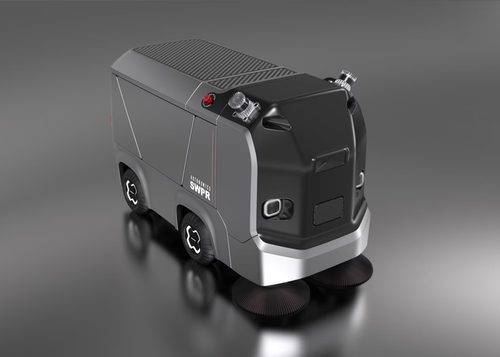
In a day, BRO 2.1 can clean up to 90 thousand square meters of territory, or 12 football fields. That is, it can do the work of several dozen janitors. Major organizations are already ordering it for themselves.
However, the use of robots to clean up human waste products in Russia is planned not only in cities. At PSU in December 2024, arobotic system for cleaning forests and other natural areas from garbage, which are heavily polluted by humans, was presented.
Instead of volunteers and ecologists, it is proposed to involve mobile groups of several robots of different types in cleaning, which will be able to independently make decisions about movements. More compact robots will find deposits of garbage, and larger ones will collect it, based on the data received on the location of spontaneous dumps and single packages, bottles and other waste.
Read materials on the topic:
A Russian robot manipulator has been created for laboratory work in chemistry and physics
Guards, surveyors, data collectors - where do robo-dogs work in Russia
Like Kolobok: the latest Russian robot "Courier" easily passed mine barriers
Never miss our newsAdd this site to your preferred sources to see us more oftenAdd on Google

















