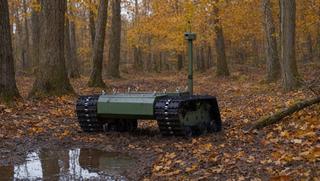
Autonomous unmanned Pixel cleaning robots have been hired to regularly clean the territories of several parks in Moscow. They can be seen in Kuzminki, Sokolniki, and 50th Anniversary of October parks.
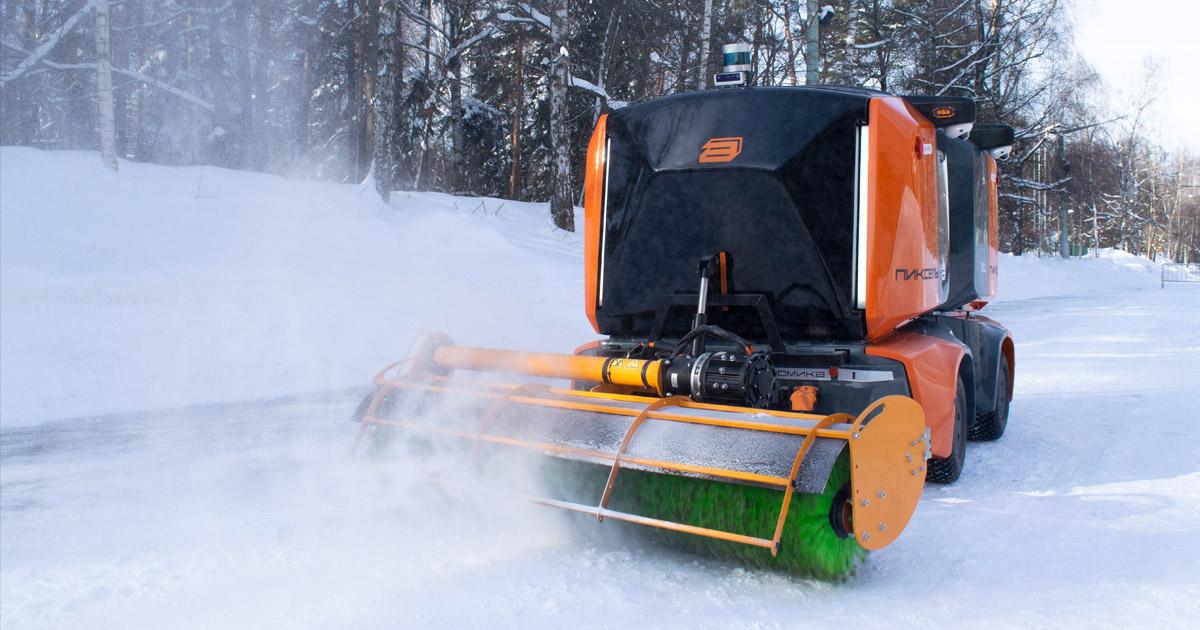
Prior to this, they were successfully tested from April 2023 in the territories of the Digital Business Space on Pokrovka Street and the Rudnevo industrial park.
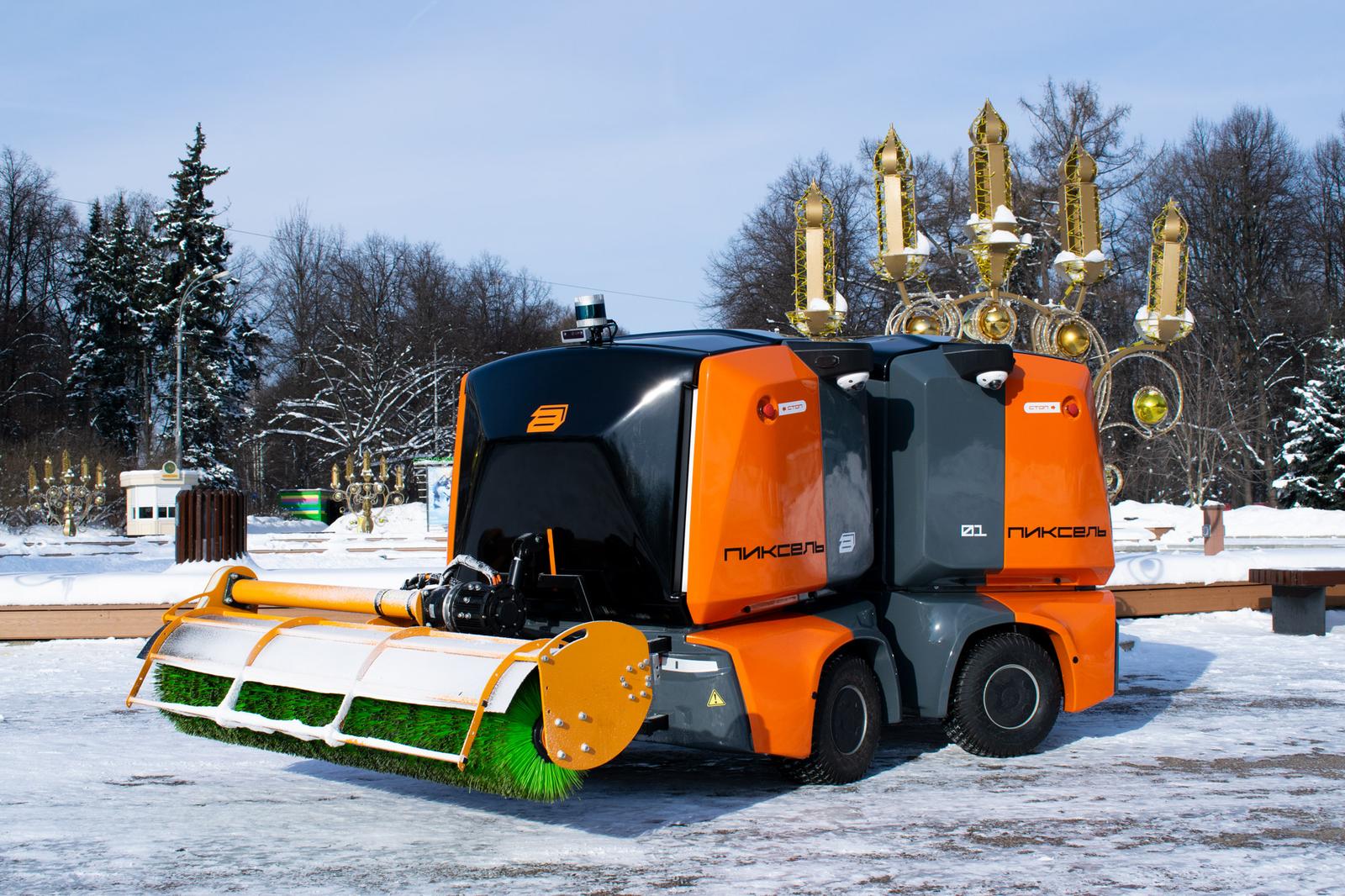
As noted in the personal blog of Moscow Mayor Sergei Sobyanin, Pixels have already proven themselves well. The robots have an electric battery for 16 hours of autonomous operation and can clean streets even at night.
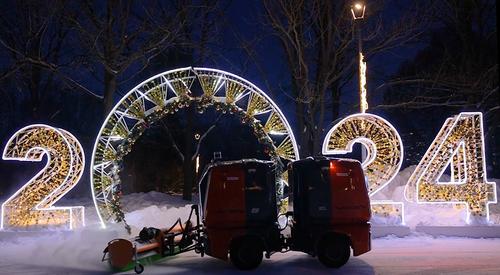
They also have another advantage over human janitors, besides the ability to work longer. Its speed averages 5 km/h, and in the maximum speed mode of operation - 10 km/h.
Pixels can work not only around the clock - both day and night, but also all year round. They have a whole range of mounted interchangeable all-weather and seasonal equipment - for cleaning snow, dust, and washing walking paths.
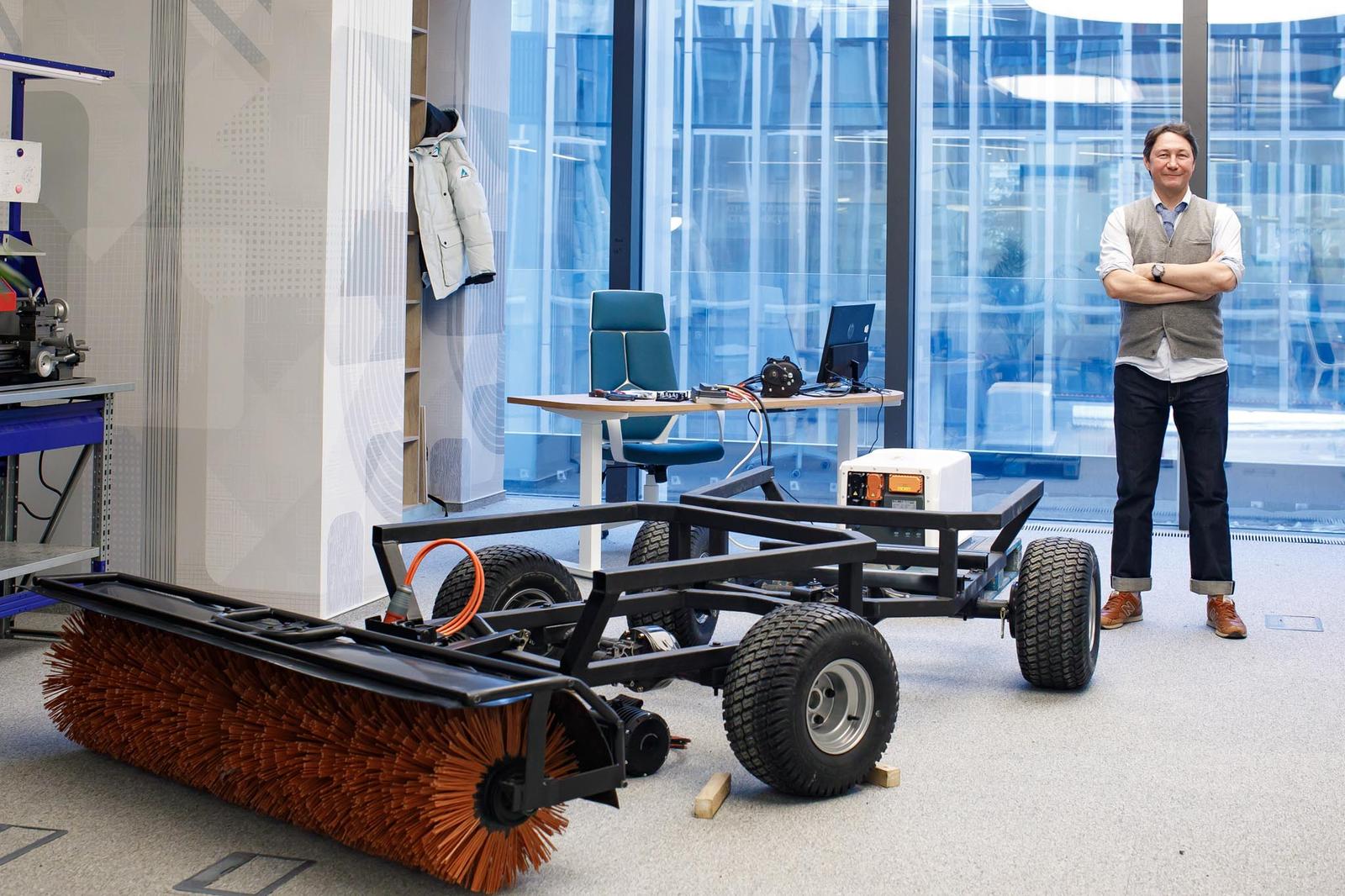
The robot receives a route task through the Dispatch Center. It has a multi-sensor system of lidars, radars, sensors, machine vision with stereo cameras and overview cameras. Therefore, it calmly recognizes people, animals and other obstacles and chooses how to deal with them. For example, it will drive around a car, scooter or stroller, and let a person pass, and only then continue working. When all tasks are completed, the robot returns to base on its own.
The developer of the Pixel autonomous cleaning robot is Avtonomika LLC, a resident of the Lomonosov cluster and a member of the Moscow Innovation Cluster. The product has not yet been mass-produced, but they hope to do so by the second half of the year. Then unmanned communal robots will be able to integrate into the urban economy more effectively.
Never miss our newsAdd this site to your preferred sources to see us more oftenAdd on Google