Gennady Korenevsky, an engineer from Rostov-on-Don, developed and patented a two-stroke piston internal combustion engine. Its feature is a mechanism with two degrees of freedom and elastic elements capable of accumulating and releasing potential elastic energy.
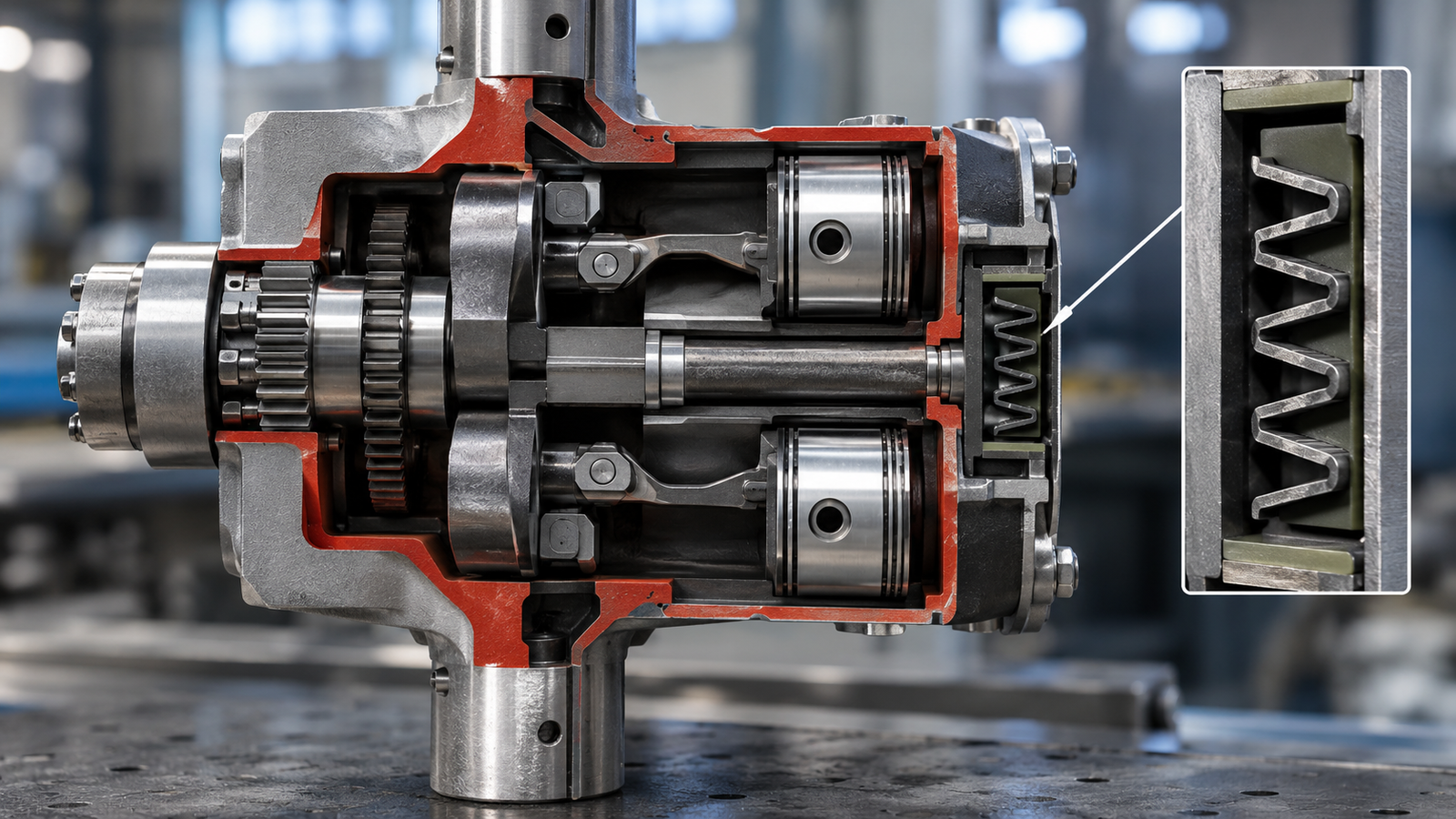
The engine is designed according to a scheme with two cylinders and opposed piston movement. Each cylinder is connected to separate crankshafts, which are synchronized by a gear train.
To synchronize the movement of the pistons, the author provided a crank-rocker mechanism with two degrees of freedom.
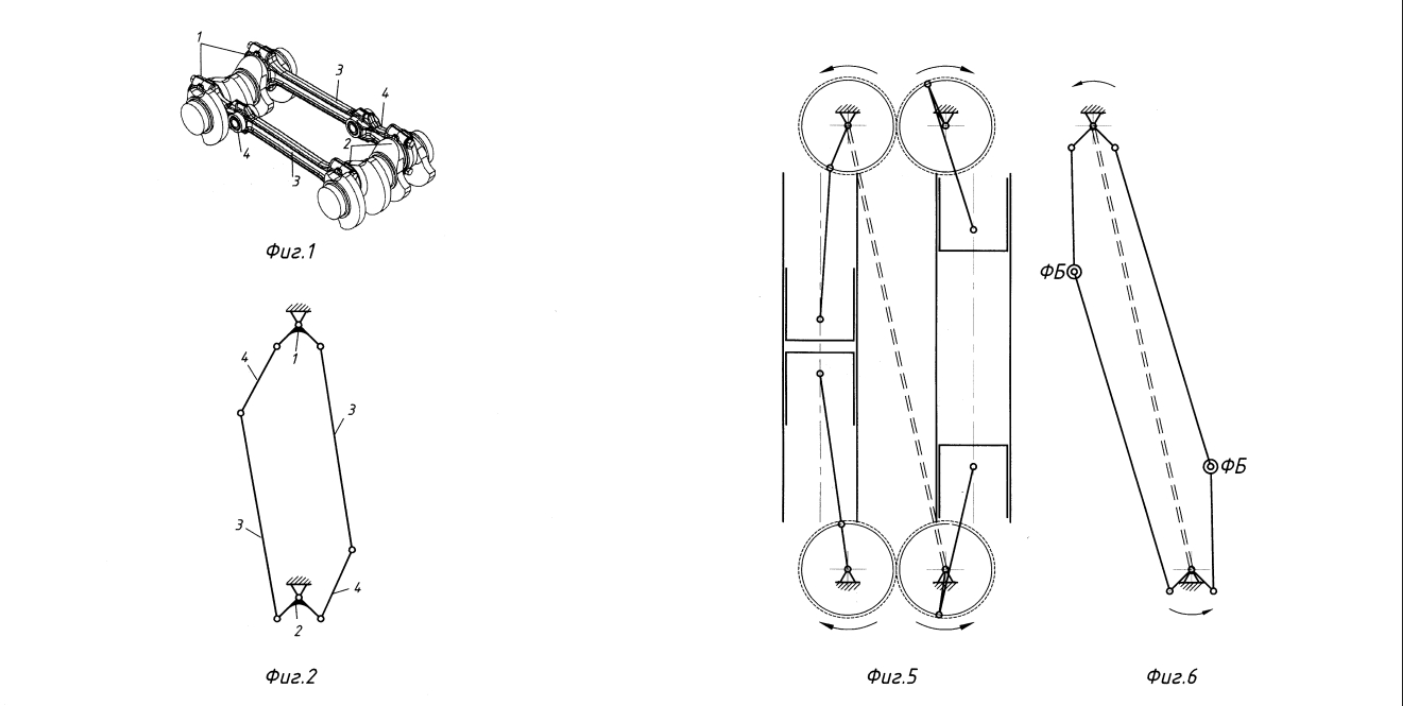
The rods include articulated joints with elastic elements. The patent provides options for an elastic device in the form of a silent block or a toothed coupling with a polymer insert.
According to the patent description, during self-oscillations of the pistons, the elastic element is capable of accumulating potential energy and then releasing it to the synchronization mechanism.
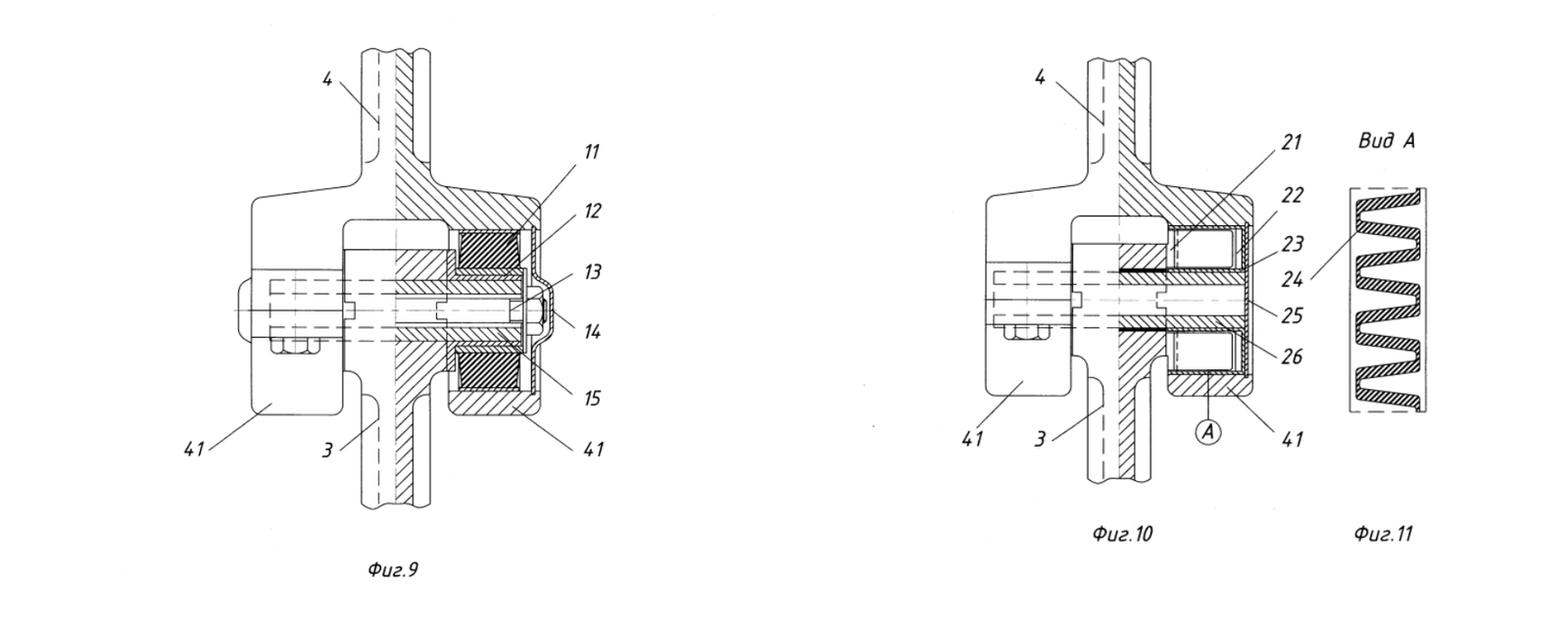
The author indicates that the combination of two degrees of freedom with elastic elements should ensure the accumulation and return of potential elastic energy. The technical result claimed in the patent is increased fuel efficiency, reduced engine operating harshness, and improved specific mass and size indicators.
Read more on the topic:
Never miss our newsAdd this site to your preferred sources to see us more oftenAdd on Google