Translated with AI from the Russian original.
Designers from Omsk State Technical University (OmSTU) have proposed a method to increase the reliability of a rotary vane engine through an unusual rotor design. It can be used in compressors, pumps, expanders, and engines.
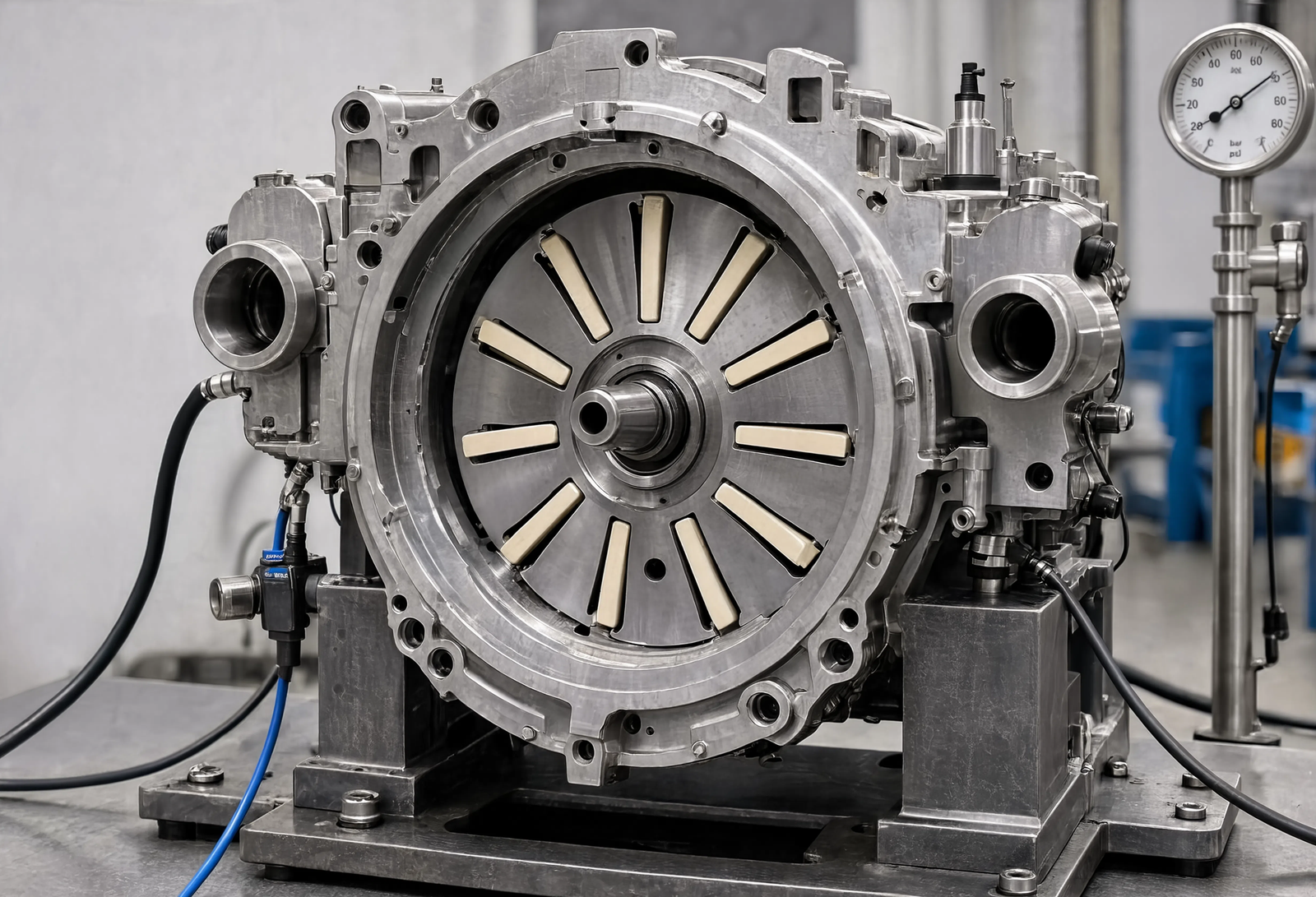
The main problem with such machines is related to friction and loads on the rotor vanes. During operation, they move in the grooves and experience significant mechanical loads. This creates a risk of vane destruction at the points of connection with the end protrusions.
Engineers proposed making the vanes themselves metallic – this increases their strength – but at the same time installing additional inserts made of self-lubricating non-metallic material into the rotor grooves.
This approach solves several problems at once. The manufacturer gains more freedom in choosing the material for the vanes, and the groove surface can be further treated with an anti-friction coating, strengthened, or even specially textured.
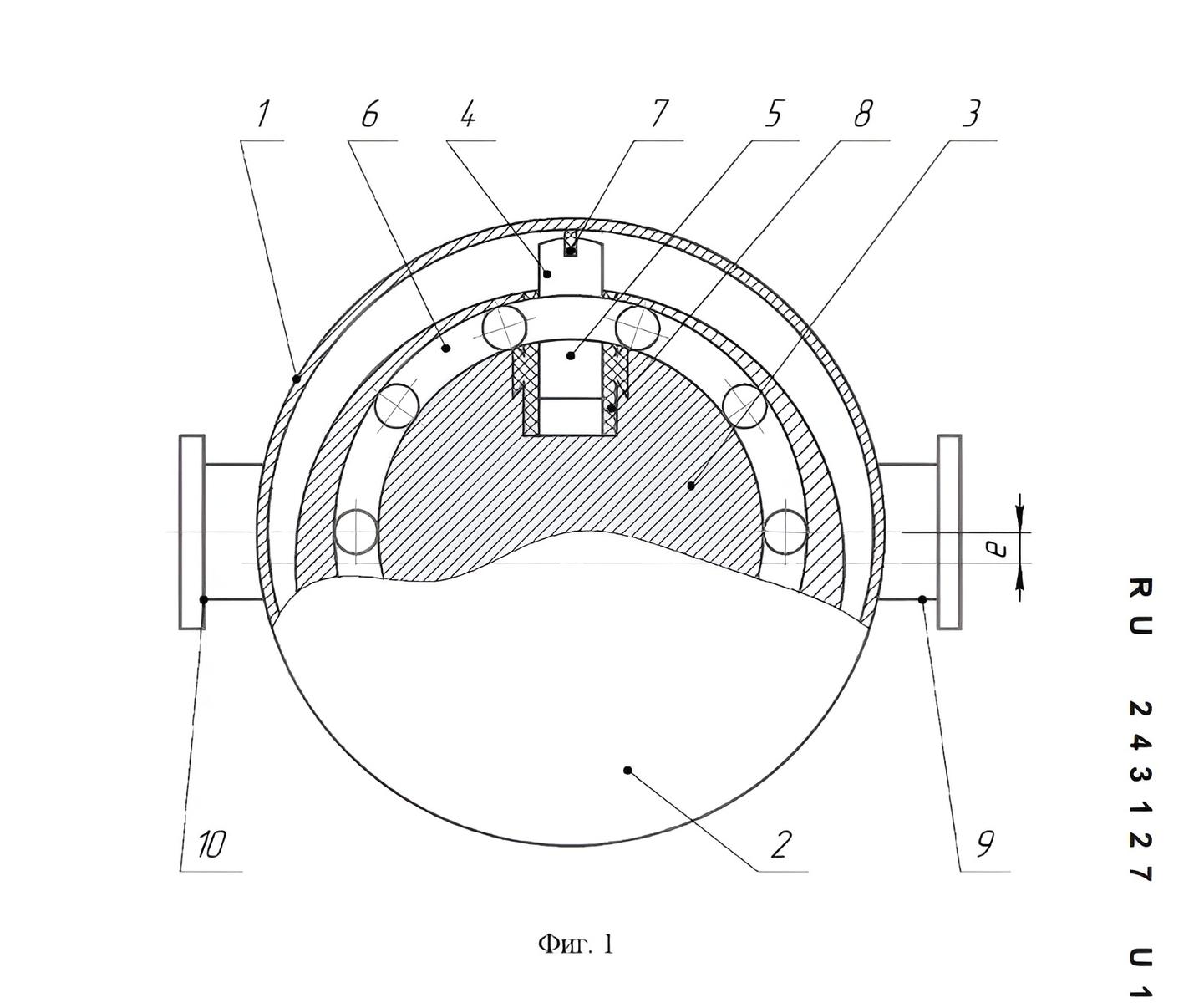
The design works in conjunction with another insert on the vane itself. It is made of an easily abradable material, such as fluoroplastic. After start-up, a micro-gap forms between the vane and the cylinder wall, so the main load is transferred to the end protrusions of the vane and the bearings.
From the editors of "Pervy Tekhnichesky": the idea of a run-in fluoroplastic insert seems utopian for dynamic machines. As soon as the insert wears down to the "ideal" gap, reverse gas flow will begin. In compressors and engines, this will sharply reduce volumetric efficiency.
Read more on the topic:
Never miss our newsAdd this site to your preferred sources to see us more oftenAdd on Google

















