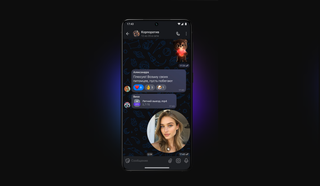
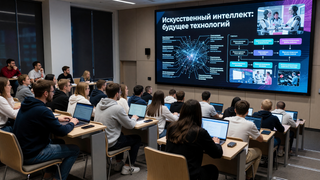
For some students, neural networks have become not only an assistant with notes and assignments but also a way to cope with stress. According to a VK Education survey of 1,000 students, 25% rely on AI as one of their pillars of support in the new academic year.
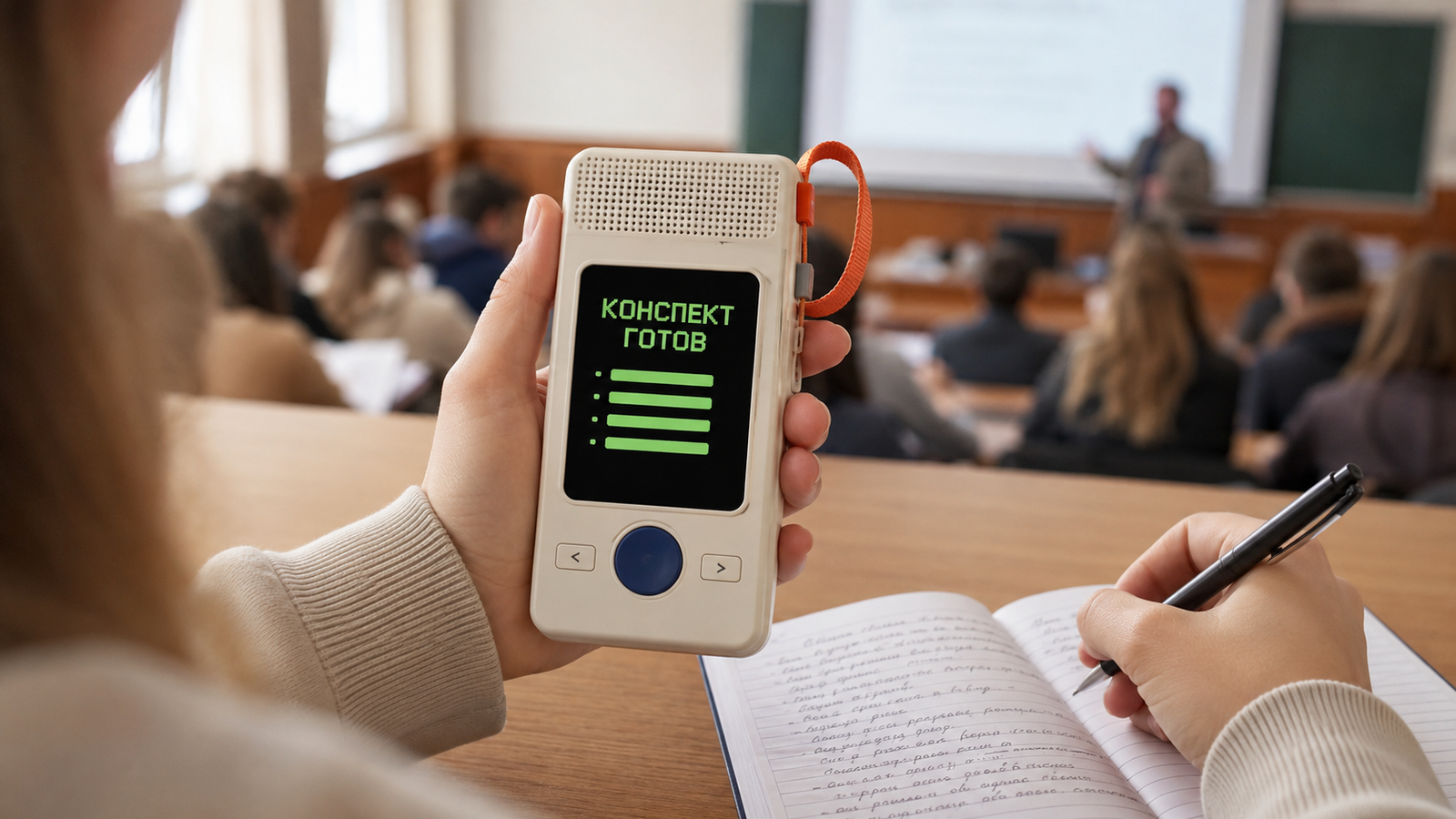
More often, young people still rely on themselves – 40% of participants answered this way. But then it gets interesting: 15% chose family and partners, 14% chose friends and classmates, and only 5% chose teachers and mentors. This means that in this regard, neural networks have already significantly surpassed traditional sources of support.
The reason is clear: many people start the academic year not only with plans but also with anxiety. 56% fear burnout, and 48% fear problems with finding an internship or a dream job.
At the same time, the goals remain quite pragmatic. 55% want to successfully pass their exams, and another 43% plan to master new skills – primarily foreign languages, AI, and professional software.
This shows a remarkable shift: when things get tough, students are increasingly likely to open a chat with a neural network first, rather than a chat with a friend.
Read more on the topic:
- Robots are doing the work, not humans: every fourth student in Russia uses neural networks on exams
- AI Accelerates Science and Changes Education: How Russian Universities Adapt to the New Reality
- The use of neural networks should not replace the process of assimilating school knowledge, the Ministry of Education said
Never miss our newsAdd this site to your preferred sources to see us more oftenAdd on Google