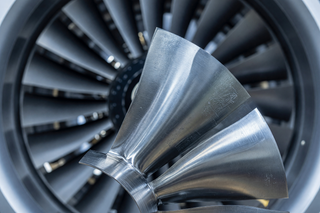
Specialists from ODK's Additive Technologies Center are testing new heat-resistant alloys for 3D printing of aircraft engine parts. The materials are adapted for selective laser melting technology.
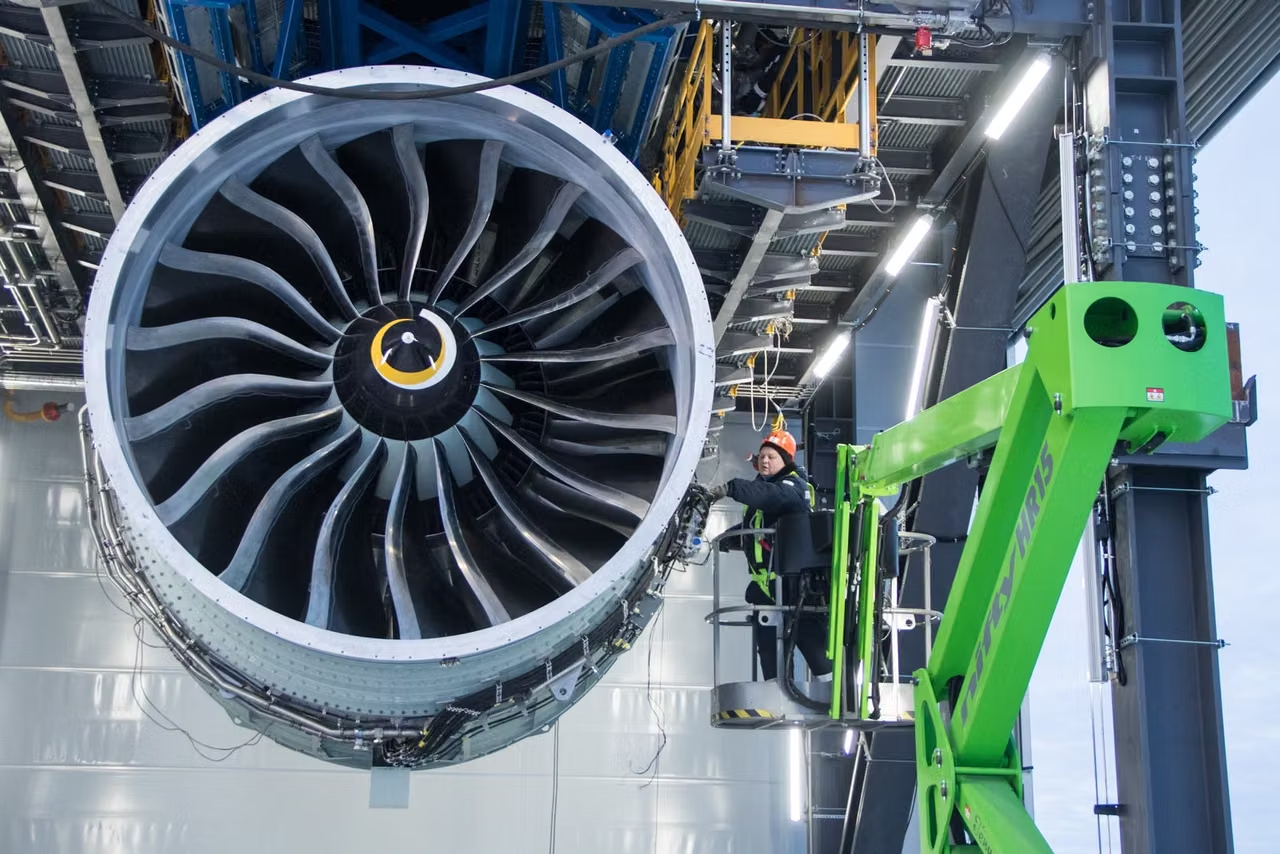
The new materials are designed to operate at temperatures up to 1000 °C. According to specialists from ODK's Additive Technologies Center, the alloys were originally created for traditional casting production, but engineers adapted them for layer-by-layer laser formation of metal parts.
CAT specialists have done a great job adapting alloys for selective laser melting technology. Alloys, which were originally created for casting production, show good resistance to long-term loads at high temperatures.
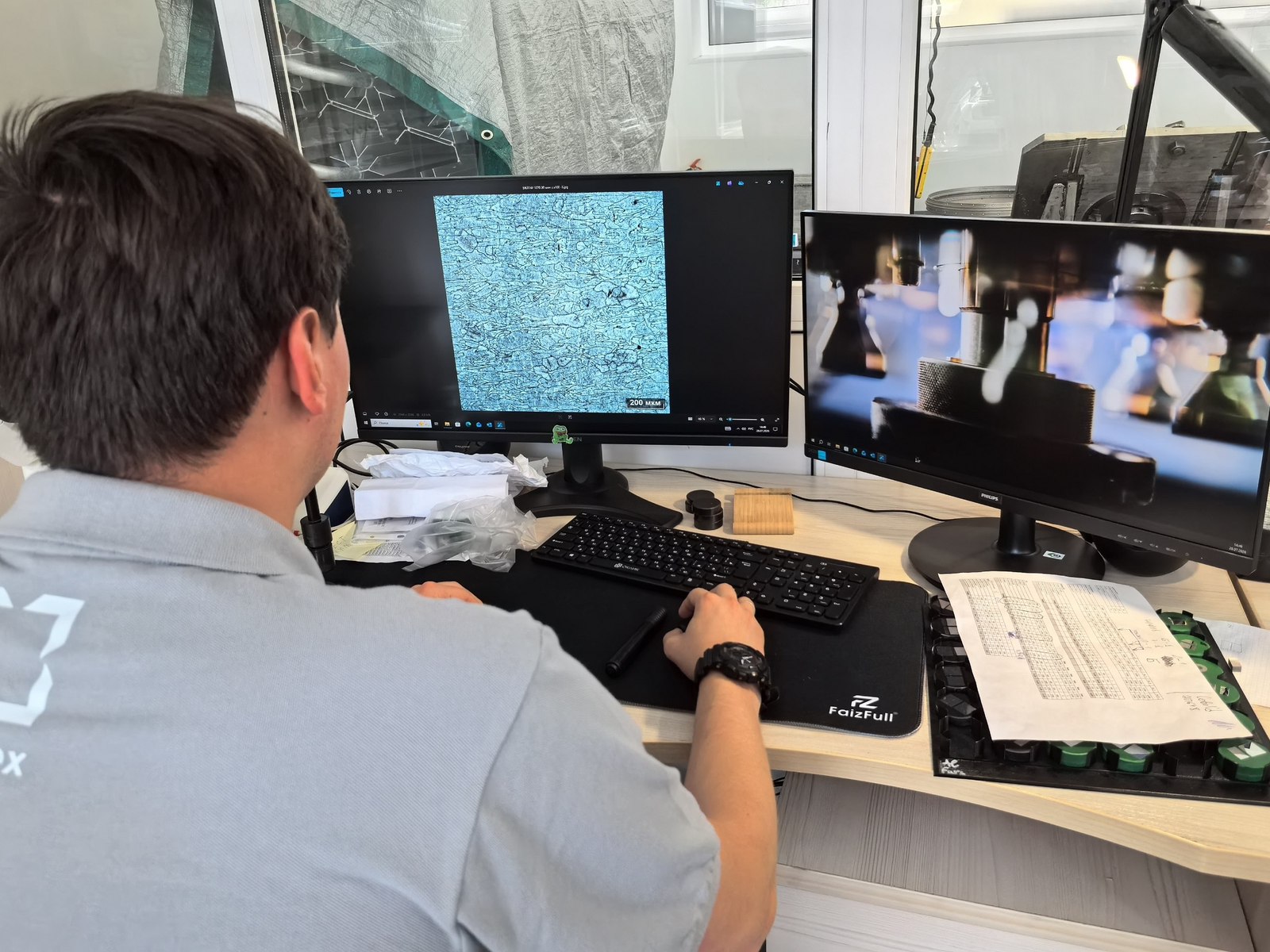
The technology allows manufacturing complex parts directly from a digital model, reducing the number of traditional manufacturing operations. At the same time, engineers expect to achieve strength and service life comparable to the nickel and cobalt alloys currently in use.
ODK noted that the PD-35 has already received more than 2,300 parts manufactured using additive technologies. These affect the strength and weight of the power plant.
Read more on the topic:
Never miss our newsAdd this site to your preferred sources to see us more oftenAdd on Google