Translated with AI from the Russian original.
Locating large data centers near generation sources in Eastern Siberia will allow Russia to reduce the risk of power shortages and rising infrastructure costs, according to a report by the P.A. Stolypin Institute for Growth Economics, which TASS reviewed.
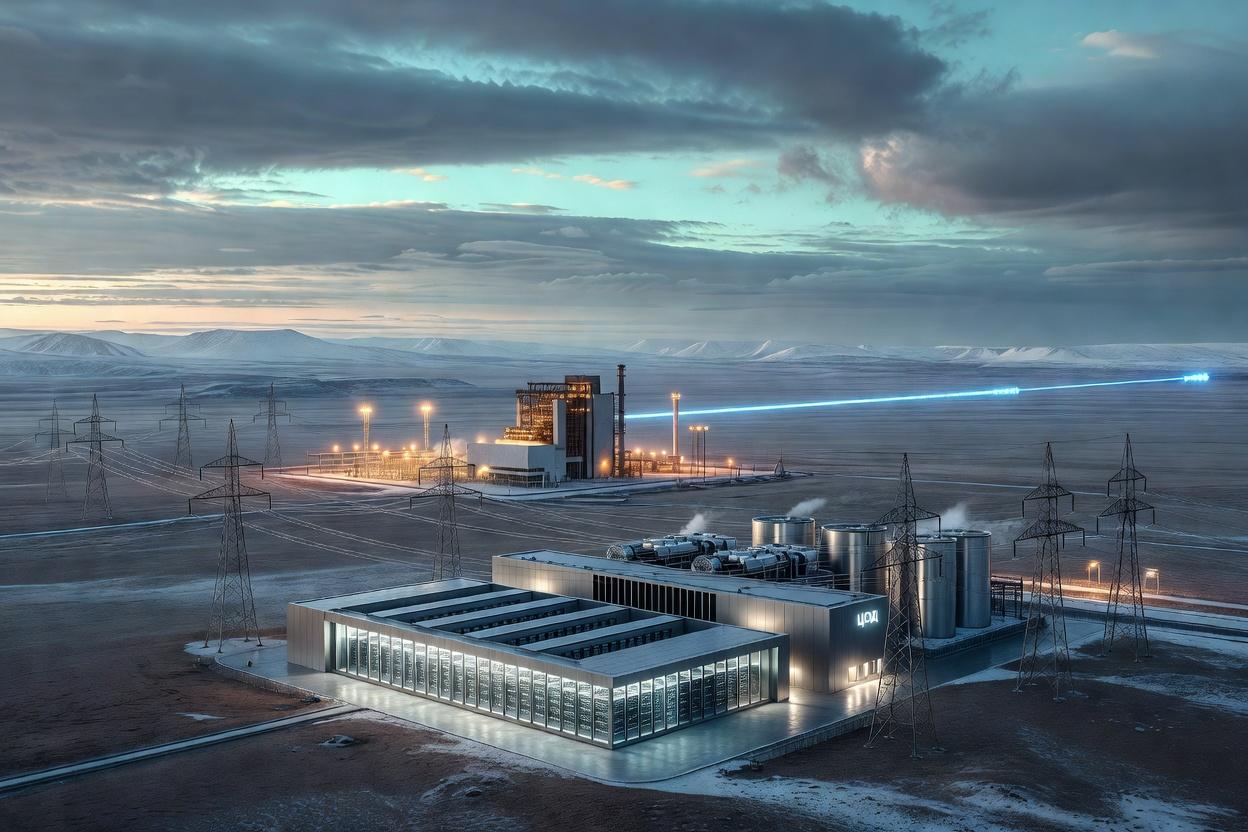
The proposed model differs from the traditional one. High-load complexes for training neural networks can be built near power plants, and the results of computations can be transmitted to customers via fiber-optic channels. This unloads networks and reduces electricity supply, construction, and cooling costs, which increase when data centers are concentrated in already formed clusters.
In Siberia, part of the generation capacity was created ahead of schedule for large industrial enterprises that never reached their planned consumption levels. In many areas, pockets of energy surplus have formed – these allow new projects to be launched without building additional energy facilities. In European centers, on the contrary, the growth of computing power is accompanied by an increase in infrastructure costs and a load on local networks.
Using Siberia's existing energy reserve will allow the development of computing infrastructure simultaneously with generation and prevent a situation where the growth in demand for AI computing outpaces the capabilities of the energy system. This requires ensuring a stable high-speed internet traffic flow.
Read more on the topic:
Never miss our newsAdd this site to your preferred sources to see us more oftenAdd on Google

















