Translated with AI from the Russian original.
The government is discussing a ban on direct connection of large consumers to power plant busbars. Currently, this mechanism is primarily used by energy-intensive projects, including data centers: connecting near generation allows reducing costs and avoiding laying long lines to substation grid companies.
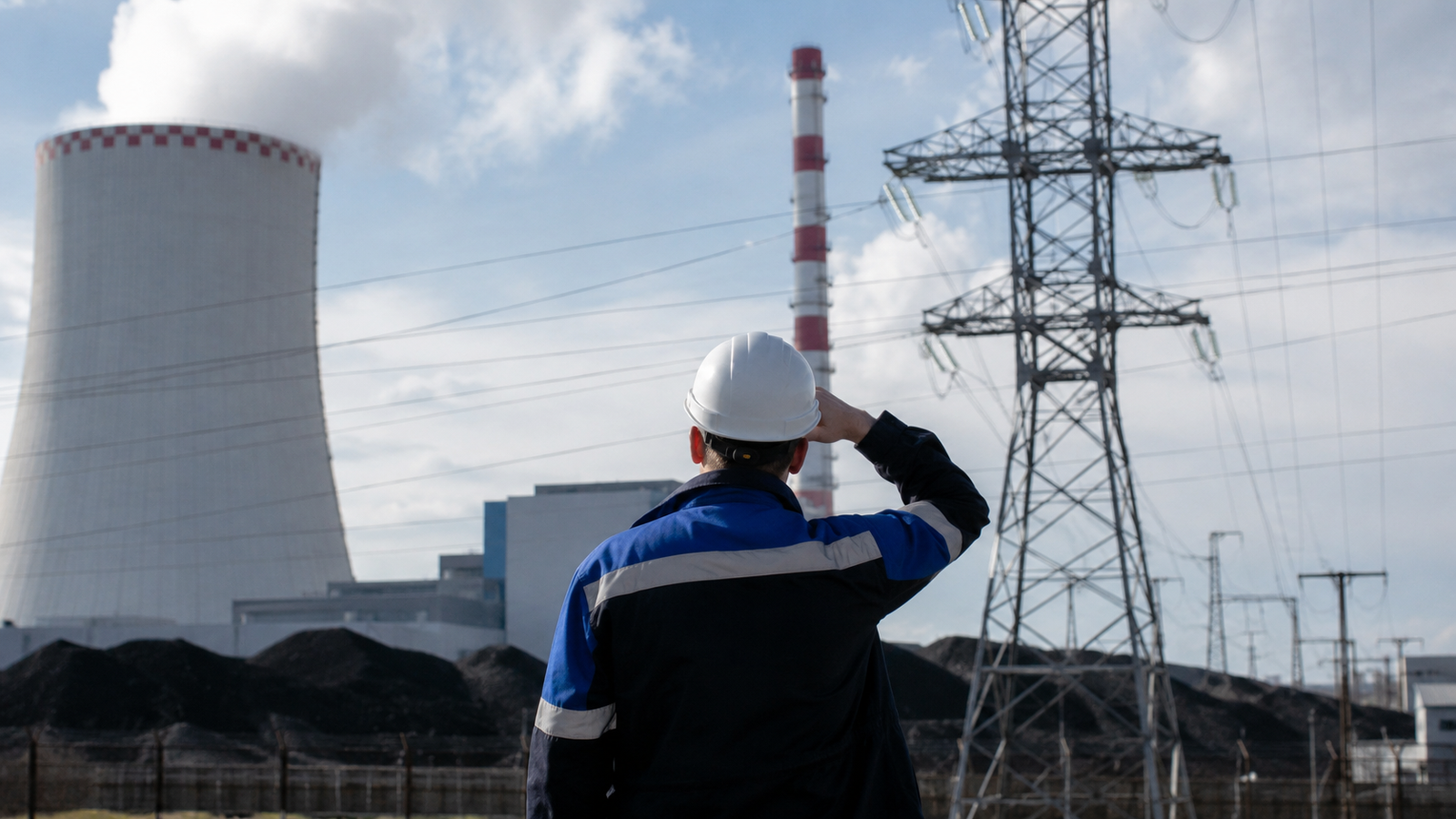
If the initiative is adopted, only grid organizations will be able to handle technological connections. Rosseti considers this necessary for the stability of the power system: according to the company, new large consumers at power plants can change network operating modes, affect the power balance, and require additional infrastructure for control, communication, and telemechanics. They fear that without such restrictions, an additional power deficit may arise in certain regions.
Generating companies dispute this approach. The Siberian Generating Company notes that direct connection is not uncontrolled: the procedure still goes through a grid organization and requires assessment by the System Operator. Moreover, a large consumer near a station can increase system stability – in case of an accident, it can be disconnected along with the station into a separate energy island.
Rosatom also believes that when connecting to the power system, the most economical option should be chosen, including direct connection to power plants. The company warns that revising already concluded contracts could slow down large energy-intensive projects: connection is expensive, and investments in the electric power industry take a long time to pay off. SGK adds that revising issued technical specifications could lead to years of litigation.
Mining market participants also see risks in the initiative. Sibmain stated that the company does not have direct contracts with power plants, but considers the mechanism itself important: it allows loading surplus generation in Siberia and provides large consumers with a more predictable price. Promminer, on the contrary, proposes developing direct connection to TPP busbars to provide revenue for both generation and gas suppliers, and to shift the main investments to the consumers themselves.
Experts call the situation controversial. On the one hand, the ban will make the power system more manageable and allow for more accurate planning of generation use, especially in regions with a risk of power deficit. On the other hand, data centers, mining sites, and other large consumers will find it more difficult and expensive to connect to electricity, and the grid complex will gain more influence and additional revenue due to all connections being mandatory through the grids.
Read more on the topic:
Never miss our newsAdd this site to your preferred sources to see us more oftenAdd on Google

















