Translated with AI from the Russian original.
In Russia, the possibility of legislatively enshrining the right of data centers (DCs) to connect directly to the main power grids - the Unified National Energy System (UES) - is being discussed. This will improve the reliability of power supply and reduce the cost of electricity transmission.
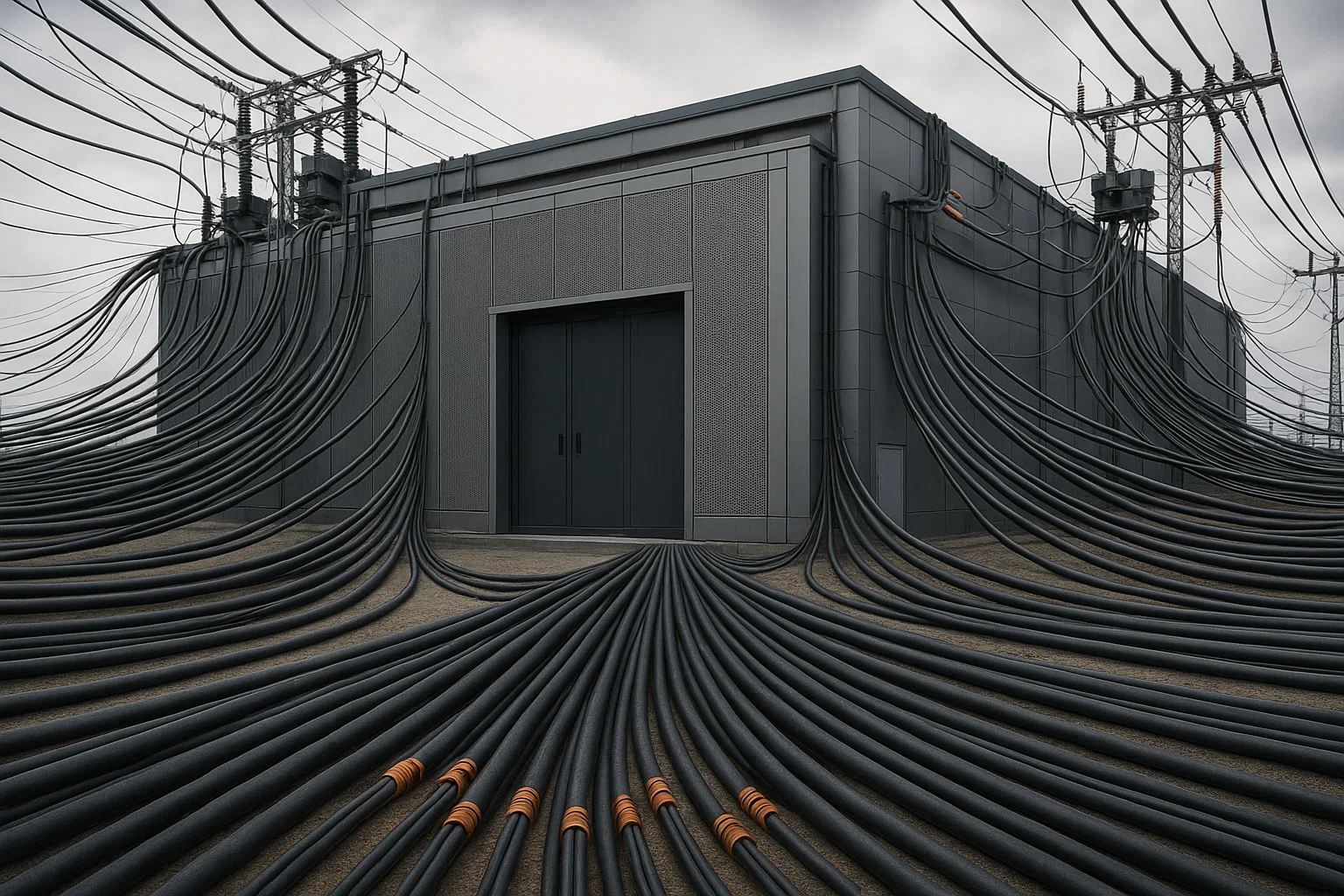
Data centers are energy-intensive facilities that consume significant amounts of electricity. Their operation is critical for digital infrastructure: they provide data storage, the functioning of AI services, and other technological solutions. However, in large cities such as Moscow and St. Petersburg,difficulties arise with connecting to distribution networks.
Data centers are becoming increasingly energy-consuming facilities and are experiencing problems connecting to networks, especially in Moscow and St. Petersburg - where they are naturally concentrated.
The Ministry of Digital Development recognizes the key importance of data centers (DCs) and is implementing a number of measures to support the industry. These include the preparation of amendments that will allow DC operators to gain preferential access to the electricity market, as well as a bill on regulating the activities of DCs, which has already beenadopted in the first reading. The ministry reported that they did not include initiatives for direct connection of data centers in the text of the Energy Strategy. However, the issue of legislatively enshrining direct access to the main grids of the unified national electricity network is being actively considered in the process of preparing the draft law "On Communications" for the second reading.
What benefits does the new approach promise?
- Lower tariffs - transmitting electricity through main grids is cheaper than through distribution grids. For example, in the Tyumen region, the difference reaches a fivefold size.
- Increased reliability - the UES provides a stable power supply, which is critical for data centers.
- Accelerating the development of digital infrastructure - simplifying the connection can stimulate the growth of new data centers.
However, not all experts support the initiative:
If we are talking about the unconditional connection of data centers to the UES and the possibility for such consumers to pay for transmission services at the FGC tariff, then such an initiative seems extremely flawed to me, and its implementation will very negatively affect the development of the electric grid complex.
Sasim draws attention to the fact that the main purpose of main power grids is to ensure the transmission of energy between integrated power systems (IPS) and optimize the operation of generating facilities. Distribution networks exist to provide electricity to end consumers, even large or energy-intensive ones. Their economic indicators strongly depend on the volume of transmitted energy, and the possibility of direct connection to the UES networks has already led to a significant decrease in this indicator.
Data centers are no different from any industrial consumer in terms of the technical connection procedure. Providing benefits for such consumers, in my opinion, would be a mistake, increasing price imbalances and creating unjustified competitive advantages for a particular type of economic activity.
As mentioned above, the Ministry of Digital Development noted that a data center is an energy-intensive production that requires large volumes of energy supply:
For long-term planning, regulatory provisions are needed to balance energy consumption issues, whichis not providing "special conditions".
If the initiative is implemented, it could accelerate the development of Russia's digital infrastructure, but it will require a careful balance between the interests of energy companies and the IT sector.
Read more materials on the topic:
Capacity shortage: IT companies face a shortage of data centers in Moscow and the Moscow region
Money is available: 13.6 billion rubles for the development of domestic software will be allocated by the Ministry of Digital Development
Never miss our newsAdd this site to your preferred sources to see us more oftenAdd on Google

















