The Northern Sea Route is attracting growing interest not only from China, but also from Middle Eastern states, which are increasingly involved in its development projects, said Maxim Dankin, CEO of the Arctic Development Project Office, to TASS.
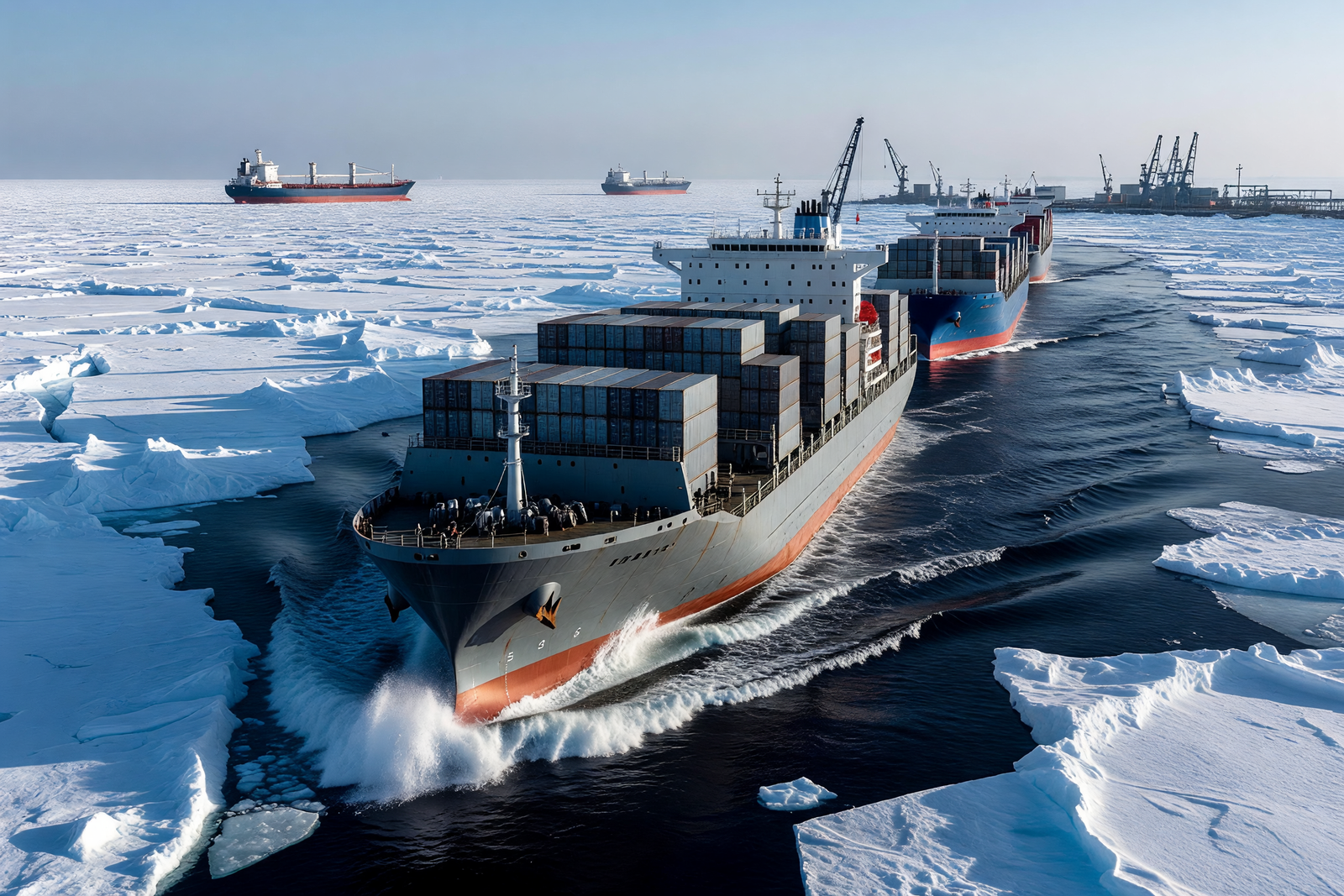
According to him, in 2025, transit container traffic along the NSR grew by 160% and reached 400 thousand tons, and their share in the total cargo traffic was 11%. Transportation of petroleum products increased by 43% — up to 1.27 million tons, gas condensate — by 17%, up to 1.55 million tons. Currently, the route serves large Arctic raw material centers: Yamal LNG, Novoportovskoye and Bovanenkovskoye fields, as well as the Norilsk industrial region.
At the same time, Dankin is convinced that the NSR can become an international transport corridor, and not just serve Russian raw material projects. The route shortens the distance between Asia and Europe by almost 2000 kilometers and ensures diversification of energy supplies. This opens up the possibility of integrating the Northern Sea Route into global value chains, turning it into a full-fledged competitor to southern routes.
Read more on the topic:
- Foreign companies are preparing to invest billions in the Russian Northern Sea Route
- Reliable Alternative: Advantages of Cargo Transportation via the Northern Sea Route Named
- Russia invests in the Northern Sea Route, and it will pay off: the Ministry for the Development of the Russian Far East spoke about the development of the route
Never miss our newsAdd this site to your preferred sources to see us more oftenAdd on Google