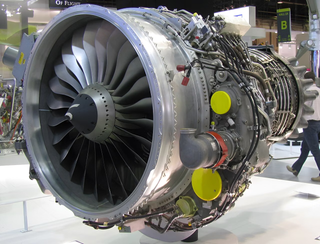
The target indicators for the new PD-8 engine were initially set higher than for the French-Russian SaM146 power plant. After the unit is put into operation, airlines can count on sufficient resource indicators, aviation expert Oleg Panteleev explained to "Pervy Tekhnichesky".

He reminded that the PD-8 certification test cycle concluded with 150-hour tests. During these tests, the engine operates on a test bench at maximum high and low pressure rotor speeds, with maximum gas temperature indicators behind the combustion chamber and at maximum thrust.
The PD-8 passed these tests. And then, in winter and spring, two prototype engines were re-tested, the essence of which is to confirm 3000 hours of operation. And these are not accelerated, but advanced tests. Component tests on test benches continue in parallel. The target indicators for the PD-8 are set higher than for the SaM146.
Panteleev added that when the aircraft receives a type certificate and is put into operation, airlines will be able to count on sufficient resource indicators. Subsequently, work to improve resource indicators will continue.
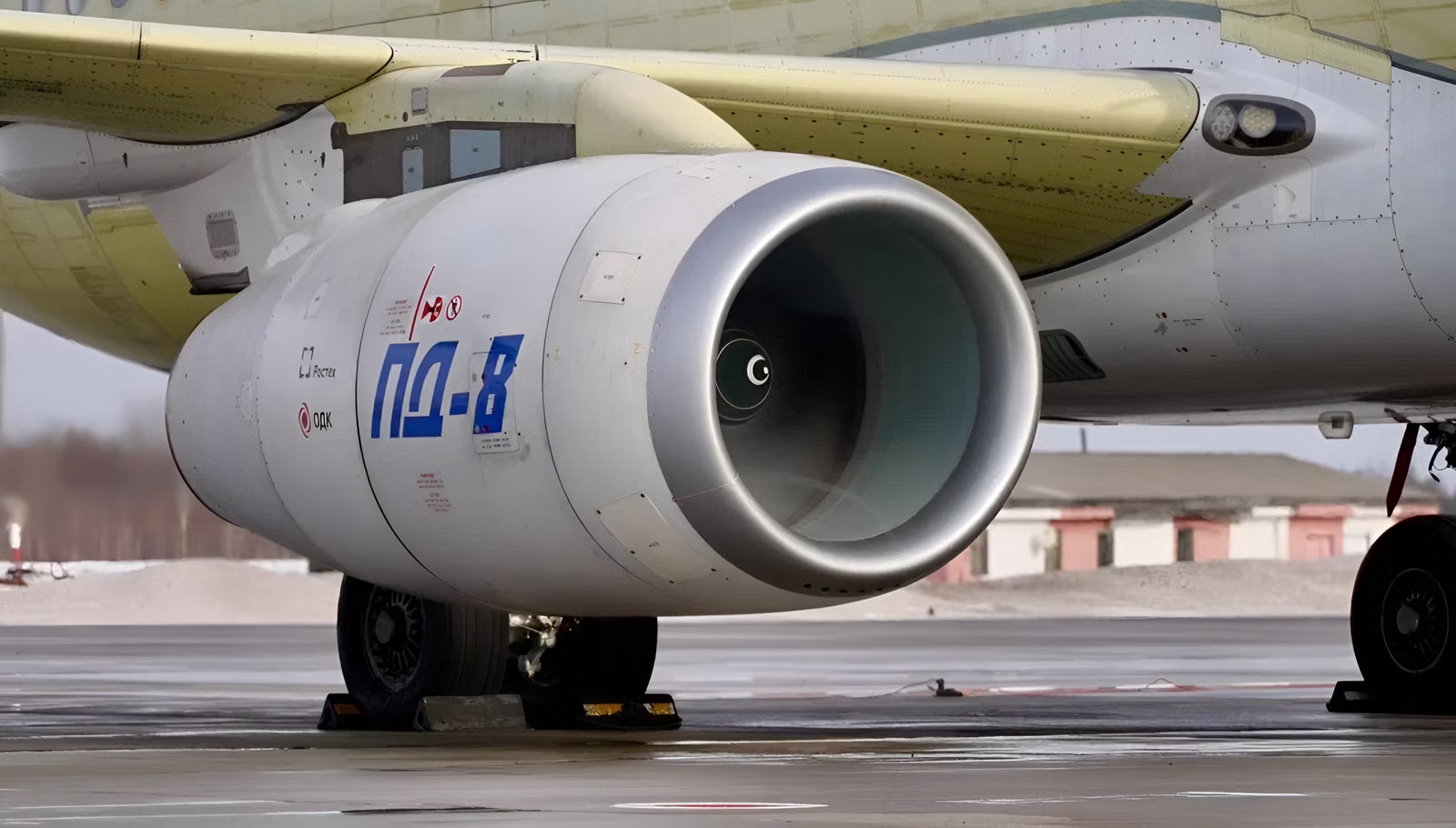
Rosaviatsiya imposes stricter requirements on aircraft manufacturers, and in particular on engine manufacturers, than European certification bodies. More full-scale tests have been carried out for the PD-8 program than for the Russian-French engine. So, there is no need to say that we are working according to some simplified methods.
Andrey Patrakov, founder of the flight safety service RunAvia and former Airbus auditor, noted that the most risky area of the PD-8 will be the so-called "hot" section - the turbine. He suggested focusing particular attention on the combustion chamber and turbine blades.
Read more on the topic:
Never miss our newsAdd this site to your preferred sources to see us more oftenAdd on Google