The production of the Russian SJ-100 in Komsomolsk-on-Amur is ready for further deployment, but the main limitation for production growth may not be the plant's capacity, but the pace of production of PD-8 engines and other components. This conclusion is reached by the analytical aviation blog SkyExpert, analyzing the current state of the program.
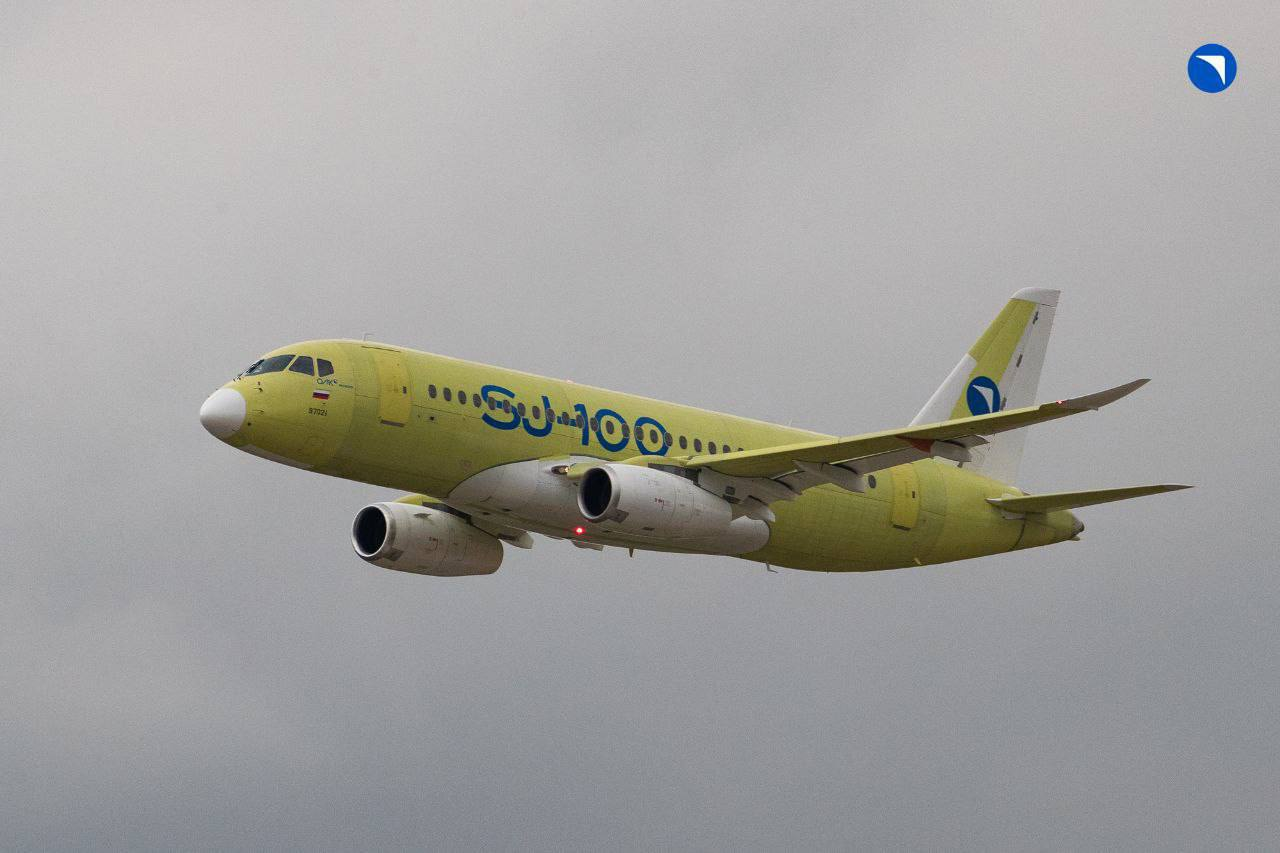
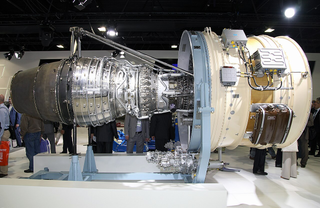
Currently, at the production site in Komsomolsk-on-Amur, there are 27 SJ-100s at various stages of readiness. Six aircraft are already close to completing assembly. At the same time, another batch of PD-8 engines, intended for the second production aircraft, has arrived at the plant.
SkyExpert considers this moment to be one of the most important for assessing the further pace of the program. The aircraft plant itself is capable of assembling significantly more aircraft, but to increase production, it is necessary to simultaneously increase the production of all components. This primarily refers to engines, without which finished airframes cannot proceed to flight tests and deliveries to customers.
According to the blog's author, Komsomolsk-on-Amur will cope with its task. The production site already has the necessary capacities and is gradually building up a backlog of aircraft. Yegor Popov, head of SJ-100 production, also previously stated that the plant is capable of reaching its previous maximum rate – up to 37 aircraft per year. However, this indicator only makes sense with appropriate supplies from the entire industrial cooperation.
Gradually, the program's focus has shifted from final aircraft assembly to ensuring the production process. If the plant receives the necessary number of PD-8s, components, and systems, production rates can be increased without fundamentally restructuring the site itself.
At the same time, the SJ-100 already has a fairly serious contract base. Russian airlines have contracted 42 aircraft, which makes the program one of the most secured with firm orders among new Russian passenger liners.
Read more on the topic:
Never miss our newsAdd this site to your preferred sources to see us more oftenAdd on Google