The Federal Agency for Technical Regulation and Metrology (Rosstandart) has approved two new national standards regulating the methods for testing car alcohol interlocks. The documents — GOST R 72377-2026 and GOST R 72378-2026 — will come into effect on May 1, 2026.
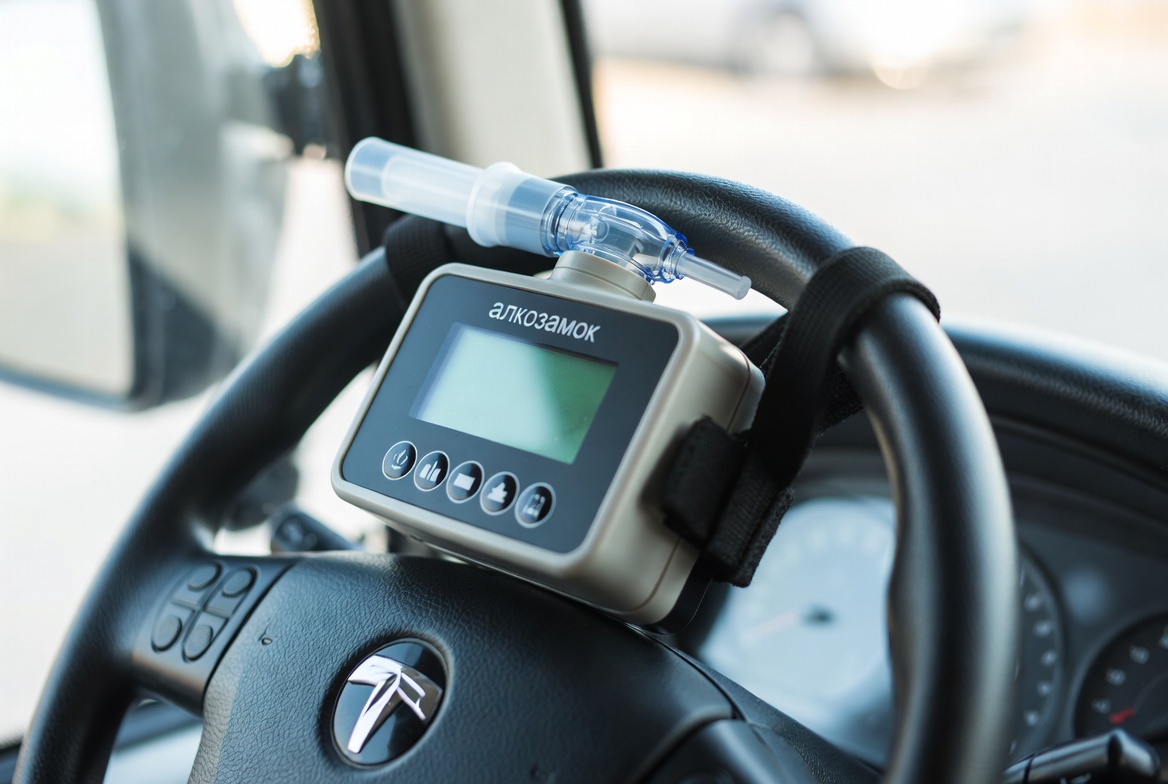
The new standards supplement the GOST that has been in effect since 2023, which already defines the requirements for driver condition monitoring systems: the device must detect ethanol vapors in exhaled air, block the engine from starting if the set threshold is exceeded, and transmit monitoring data, including through the ERA-GLONASS system infrastructure. These requirements apply to transport used for commercial passenger transportation and the transportation of dangerous goods.
GOST R 72377-2026 establishes methods for functional testing of alcohol interlocks, including checking the correctness of interaction with the car's on-board systems and the reaction to various usage scenarios. The second document — GOST R 72378-2026 — focuses on the accuracy and reliability of sensors responsible for detecting ethanol vapors.
Despite the development of the regulatory framework, the mandatory installation of alcohol interlocks on buses and vehicles transporting dangerous goods is not yet legally provided for in Russia. Nevertheless, the adoption of new standards creates a technical basis for the possible introduction of such an obligation in the future.
Read also:
- Russians may be allowed to present their driver's license and vehicle registration certificate via the MAX messenger
- The latest air intake with laminar flow for the PD-14 engine was developed by Russian engineers at VASO
- "Vladimir Nosov" destroyed drones and BEC in the Baltic
Never miss our newsAdd this site to your preferred sources to see us more oftenAdd on Google