The Russian military industry is five years ahead of Europe in the creation of hypersonic weapons. This assessment was given by Professor of Military Sciences Vadim Kozyulin.
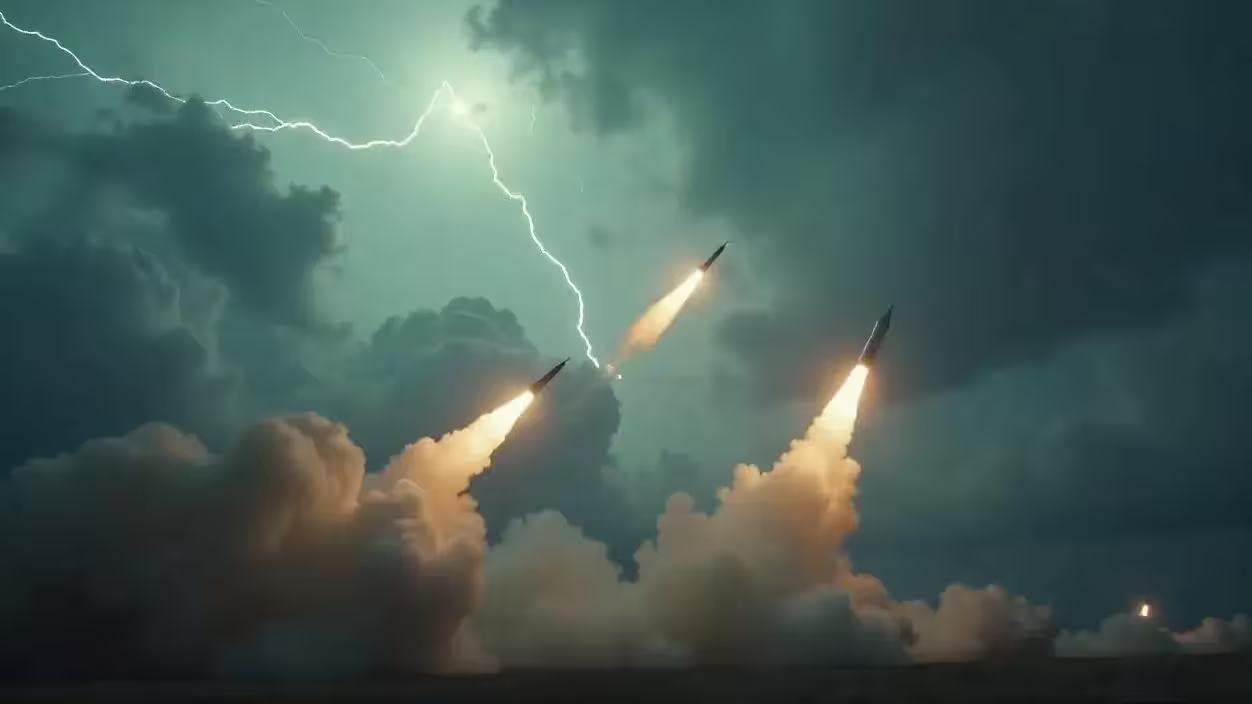
This is how he assessed France's desire to build its own ballistic missile similar to the Russian "Oreshnik." The professor reminded that such a task requires not only funding but also unique expertise.
Considering that the US is about five years behind us, I think Europeans are also about that far behind.
Kozyulin recalled that France had previously sought Russia's help in creating hypersonic devices. But after the termination of cooperation in 2014, the republic lost access to critical technologies.
The professor concluded that today the main competition in the creation of hypersonic weapons is unfolding not between Russia and Europe, but between Russia, China, and the United States.

In October 2025, Russian President Vladimir Putin announced the creation of new models of hypersonic weapons. Work has already begun, he noted.
In 2024, military expert Anatoly Matviychuk warned that the development of hypersonic technologies in the United States is already "breathing down the neck" of Russian developments.
It is known from open sources about four main hypersonic missiles in service with Russia — the Avangard intercontinental ballistic missile, the Kinzhal air-to-surface hypersonic missile, the 3M22 Zircon anti-ship missile, and the Oreshnik SRBM.
Read more materials on the topic:
- New hypersonic weapons will appear in the Russian army
- Die Welt recognized the uselessness of the Arrow-3 missile defense system against the Russian "Oreshnik"
- More powerful than "Oreshnik": new Russian weapons turned out to be strategic
Never miss our newsAdd this site to your preferred sources to see us more oftenAdd on Google

















