Translated with AI from the Russian original.
From January 1, 2026, a new system for calculating the environmental levy on car tires will come into force in Russia, which will take into account the chemical composition of the materials. A coefficient related to the carcinogenic safety of the components used will be added to the base rate.
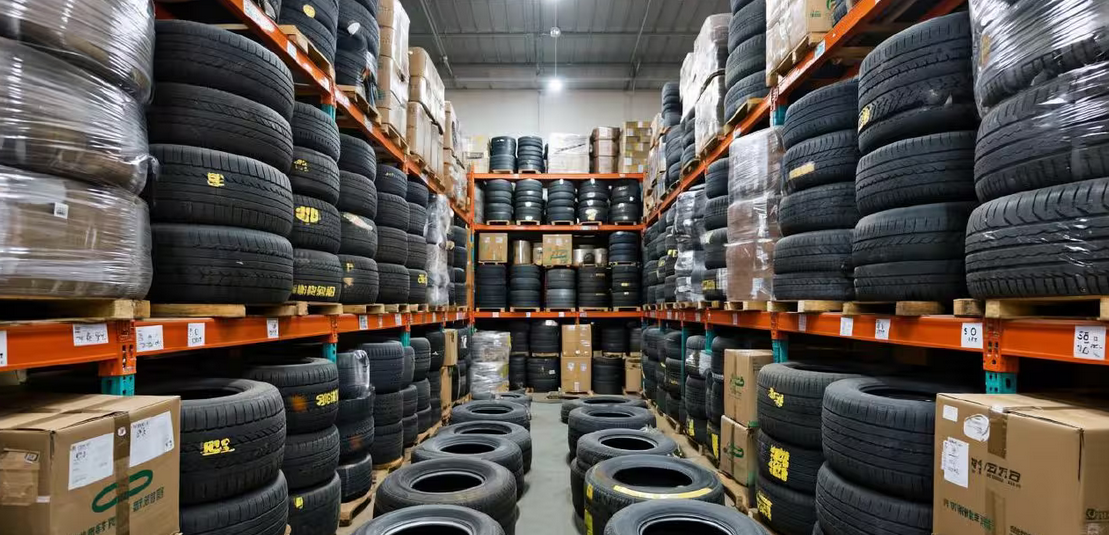
If hazardous substances are found in the rubber, a multiplier of 17 will be applied to the levy amount. If the manufacturer can prove that such substances are absent, the coefficient will be zero. The level of carcinogenic safety will be confirmed by tests in accredited laboratories.
Currently, the environmental levy per ton of tires is about 185 thousand rubles - a base rate of 10.3 thousand multiplied by a coefficient of complexity of utilization of 18. From 2026, the base rate will increase to 11.1 thousand rubles, and an increasing coefficient will be applied for tires without a safety certificate.
The Ministry of Industry and Trade is confident that the increase in the environmental levy will not affect responsible Russian manufacturers. Only 11% of Russian tires do not meet the requirements of the new GOST for carcinogenicity, while among imported goods the level of non-compliance reaches 40%.
The new initiative will mainly affect imported tires. If the manufacturer cannot confirm the safety of its products, its costs will increase significantly.
When tires containing carcinogenic substances, such as certain types of polycyclic aromatic hydrocarbons, wear out, fine rubber dust is formed, which poses a danger to the environment and human health.
Read more materials on the topic:
- The most popular tire brands among Russians have been named
- Russians may start being fined for driving on summer tires: a new law has come into force in Russia
- Traffic police allow non-studded winter tires: what drivers need to know
Never miss our newsAdd this site to your preferred sources to see us more oftenAdd on Google

















