Translated with AI from the Russian original.
Scientists at Togliatti State University (TSU) have developed a new method for protecting magnesium alloys with rare earth elements used in aviation, automotive engineering, and other industries. The new technology significantly increases the corrosion resistance and wear resistance of materials without significantly increasing the cost of products, according to the university's press service.
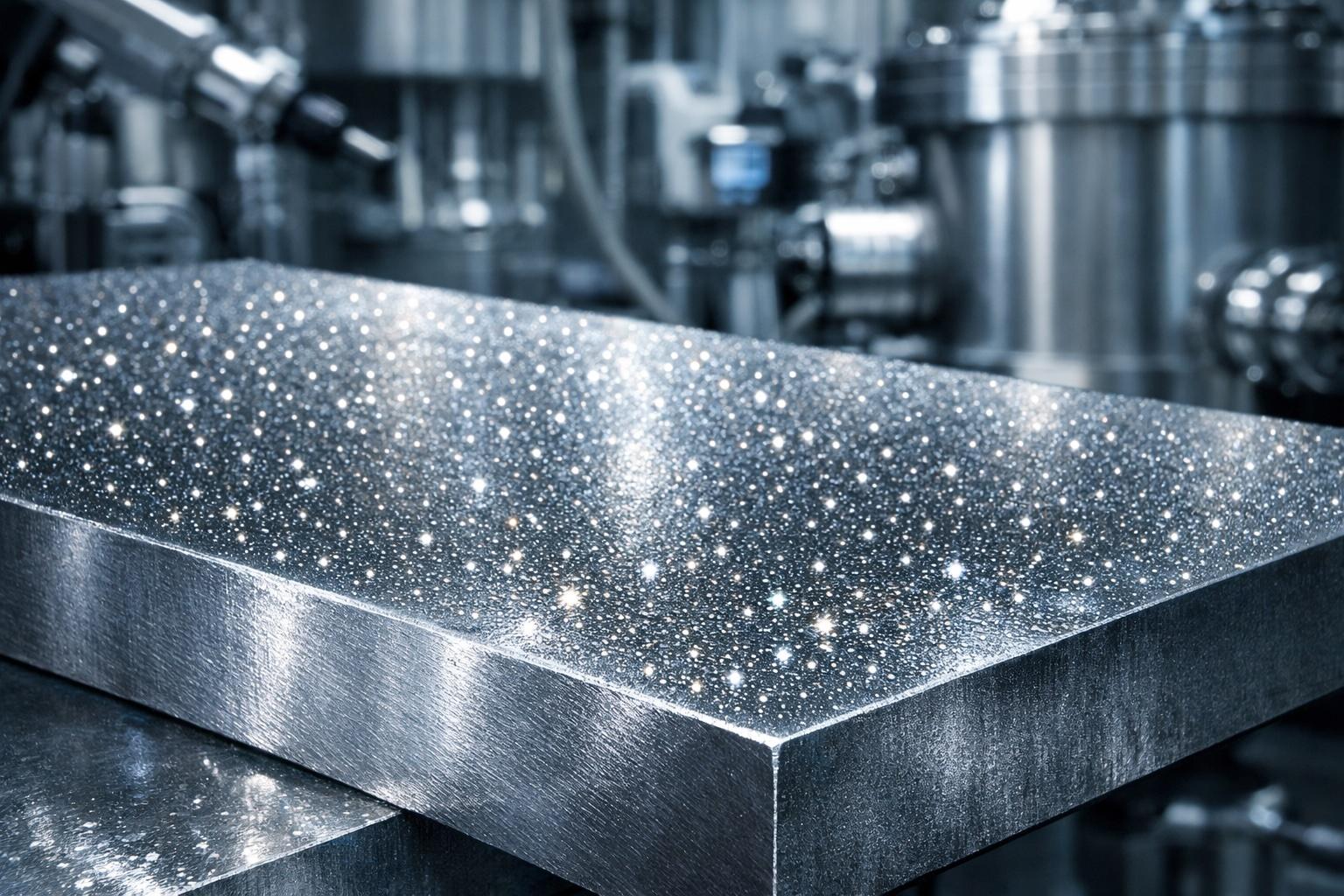
Researchers at the Research Institute of Advanced Technologies of TSU, led by Professor Mikhail Krishtal, used a combination of plasma electrolytic oxidation (PEO) and the addition of tungsten carbide or titanium carbide nanoparticles to the electrolyte. As a result, a protective oxide layer is formed on the surface of the magnesium alloy, reinforced with "reinforcing" nanoparticles, which increase its hardness, strength, and corrosion resistance.
According to Alisa Polunina, a senior researcher at the institute, the technology makes it possible to increase the thickness of the oxide coating by 50-65% with the same processing time and reduce the corrosion rate of the alloy by approximately 3-4 times. It is important to maintain the optimal concentration of nanoparticles: excessively high doses impair the quality of the coating and the long-term protection of the material. The use of low concentrations of refractory carbides provides reliable protection of magnesium alloys from corrosion and wear.
The researchers plan to continue studying various types of nanoparticles and optimizing the PEO process for magnesium alloys with a long-period ordered structure (LPSO-structure). According to Polunina, no similar studies have been conducted in the world yet, and TSU's work is the first to show the effect of nanoparticles on the formation, composition, mechanical, and anti-corrosion properties of PEO coatings for such alloys.
Read also on the topic:
- Innovative alloys for nuclear power plants created at MIPT using artificial intelligence
- Titanium alloys, aluminum, and composite polymer materials: experts talk about promising materials for drone construction
- High-strength aluminum-based alloy developed in Moscow
Never miss our newsAdd this site to your preferred sources to see us more oftenAdd on Google

















