UAZ has officially received vehicle type approval (OTTS) for the "Profi" commercial van with a new power plant – a 2-liter "Sollers-550010" turbodiesel, developed under license from the Chinese automaker JAC.
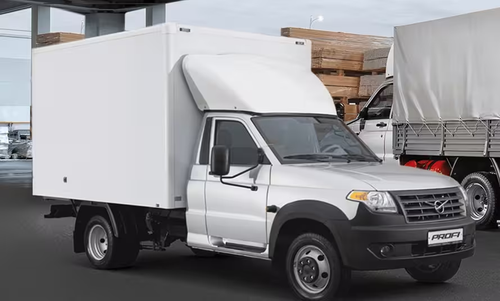
The engine produces 136 horsepower and a maximum torque of 320 N·m, which fundamentally distinguishes it from the ZMZ-409 gasoline counterpart (150 hp and 235 N·m). With less peak power, the diesel version promises significantly better traction at low speeds and increased fuel efficiency, especially under full load conditions.
At the current stage, the new engine is installed exclusively on rear-wheel drive modifications of the "Profi". All all-wheel drive versions are still equipped with the proven ZMZ-409 gasoline engine, without any changes in the technical specification.
According to representatives of the plant, the transition to a diesel line in rear-wheel drive vans is aimed at expanding opportunities for commercial carriers who value low fuel consumption and high torque when operating in an urban cycle or on routes with frequent stops.
Read more materials on the topic:
- Modernized and returned to service: auxiliary boilers of the 70-year-old icebreaker "Captain Belousov" underwent major repairs
- UAZ "Profi" will be turned into a motorhome: small-scale production of the car is planned to be established in Russia
- Sales collapse: Russians are less interested in UAZ cars
Never miss our newsAdd this site to your preferred sources to see us more oftenAdd on Google