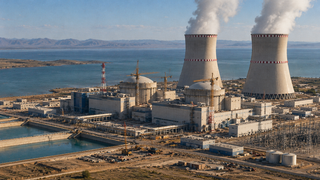
The Rosatom State Corporation is considering the possibility of creating a plant for the production of slow-speed turbine generators for ultra-high-power nuclear power plant reactors. Production is planned to be launched in partnership with the Chinese company Dongfang.
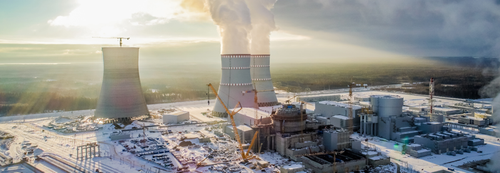
The State Corporation has alreadyconcluded an agreement for the supply of Chinese turbines and a generator for the under-construction power units of Leningrad NPP-2. It is expected that the new production will focus on creating equipment for VVER-type reactors with a capacity of 1.2 to 1.3 GW.
Dongfang produces similar turbines under license from the French company Arabelle, which allows Rosatom to count on the introduction of proven technologies. The opening of a new plant in Russia will reduce the risks for export projects.
The implementation of the initiative will cost tens of billions of rubles.
The new plant could become a serious competitor for the company "Power Machines", which has so far been engaged in the production of similar products.
Read materials on the topic:
- Rosatom opened the first electric charging complex in Novosibirsk
- Rosatom supplied innovative nuclear fuel to Uzbekistan for a research reactor
- Rosatom launched a new steel production in St. Petersburg
Never miss our newsAdd this site to your preferred sources to see us more oftenAdd on Google