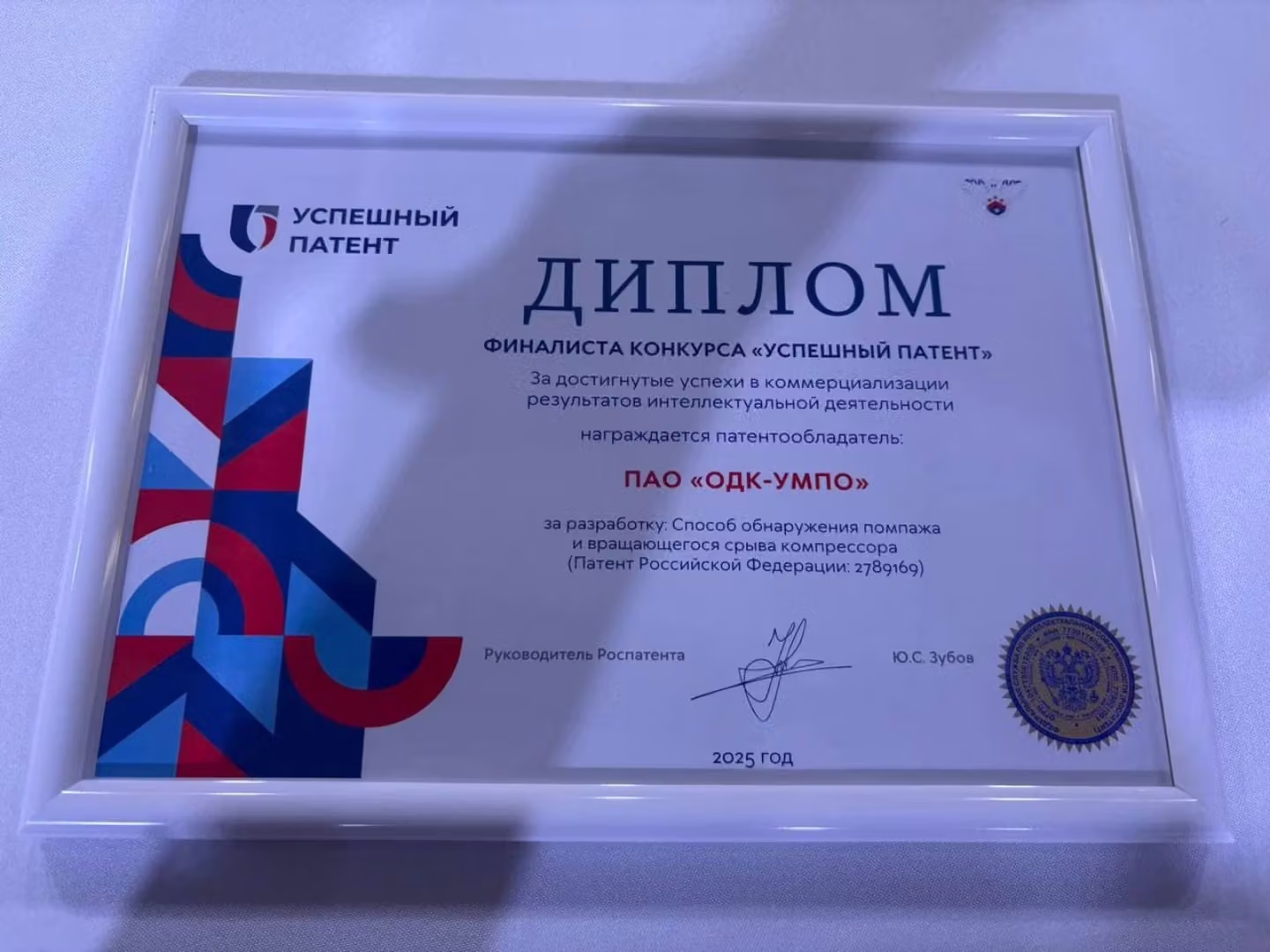
Specialists from the Lyulka Design Bureau (part of UEC-UMPO of the United Engine Corporation of Rostec) have developed a new method for detecting surge and rotating stall of a compressor in gas turbine engines. This was reported by the company's press service.
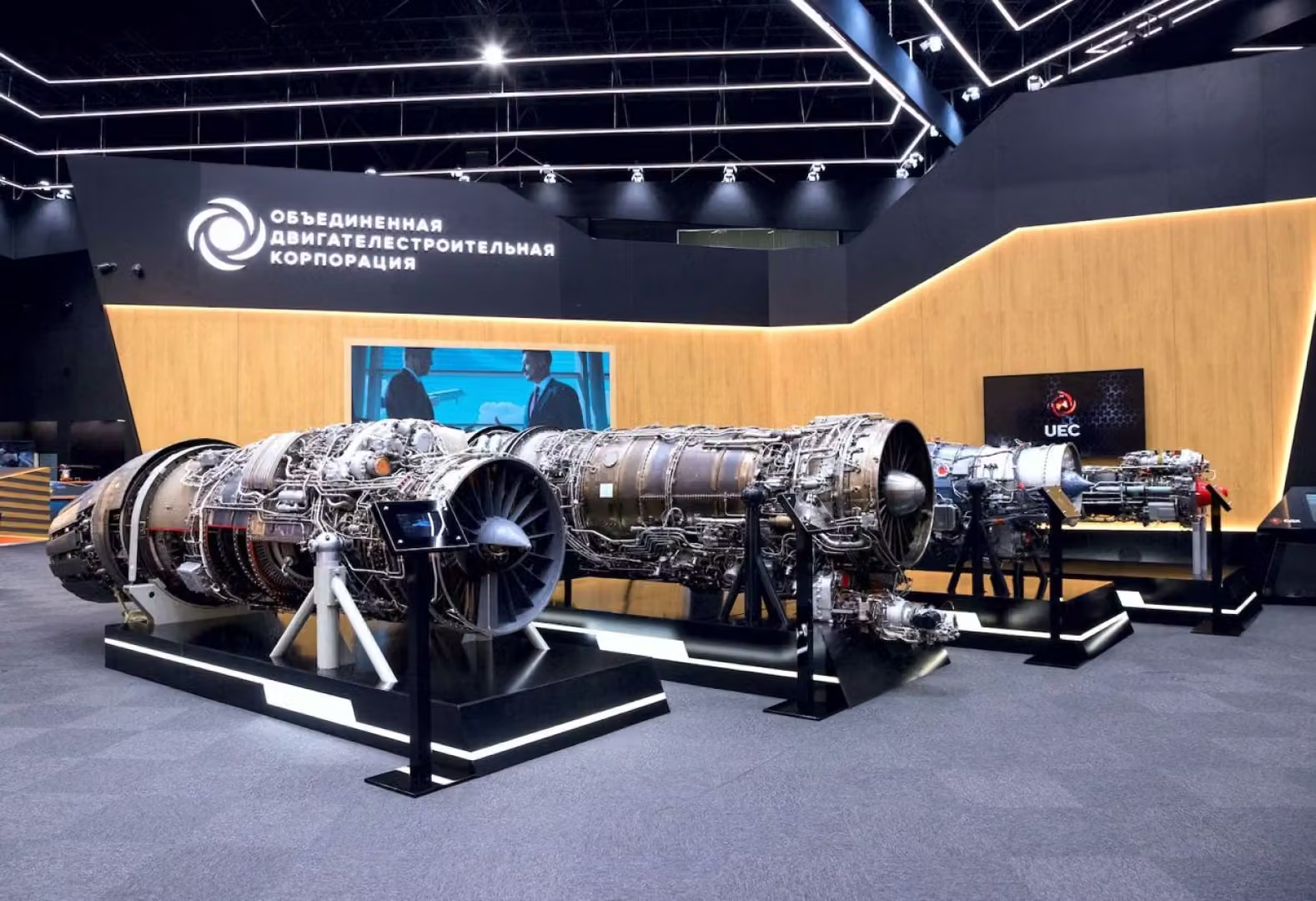
The development allows detecting undesirable gas-dynamic phenomena in the engine compressor, which contributes to the rapid response of the control system, UEC noted. Its introduction will significantly reduce operating costs.
The authors of the patent are Yuri Zelikin, Viktor Korolev, Alexey Inyukin, and Andrey Sinitsyn.
Surge is a disruptive mode of operation of an aircraft turbojet engine, in which gas-dynamic stability is disrupted.
Rotating stall is a type of surge in which the air flow in the compressor begins to rotate in the opposite direction.
Gas turbine engines are used in aviation, energy, shipbuilding, and ground equipment. In aviation, they serve as the basis for jet and turboprop engines for airplanes and helicopters.
A few days ago, UEC also showed full production stages of TV7-117ST-01 and VK-650V aircraft engines for the Il-114-300 aircraft and the Ansat helicopter.
Earlier, www1.ru reported that Russian tires for the chassis of MS-21 and SJ-100 airliners have successfully passed certification.
Read more materials:
Never miss our newsAdd this site to your preferred sources to see us more oftenAdd on Google






![Growth Point: After 5G Launch, Mobile Internet in Russia Accelerated by 20%","subtitle":"TelecomDaily recorded an upload speed increase of 19.7%, and download speed of almost 14%","announce":""}[]}],](https://media.ixbt.site/fit-in/320x/ixbt-data/1727896/ai-image-nvgq0a0v5cjnyxwoc8xpelva.webp)