In mid-2026, the second stage of the laboratory complex will begin operating at the Sirius University of Science and Technology, where research will be conducted in the field of industrial biotechnology, ecology, and medical chemistry. This was announced by Elena Shmeleva, Chairman of the Council of the Federal Territory "Sirius," at the strategic session of the international forum "Bioprom."
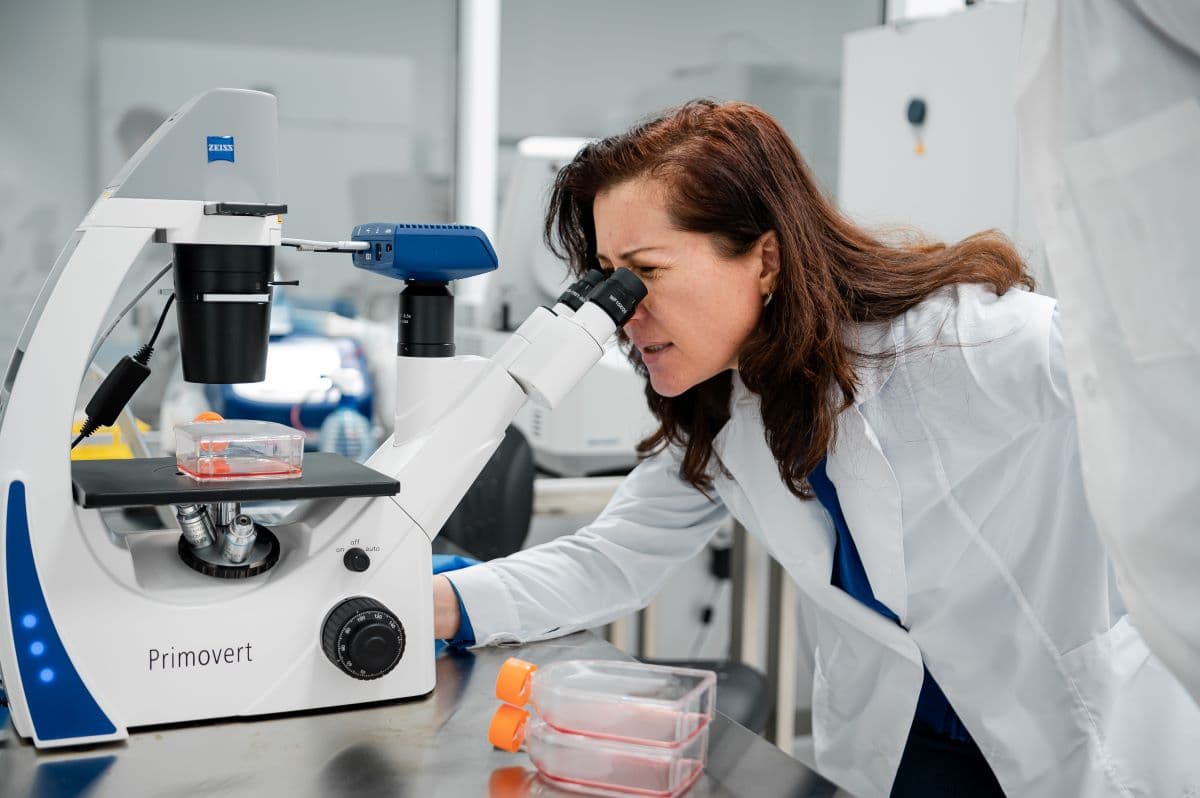
According to her, the project will be an important step in the development of Russian bioscience and will create new opportunities for applied research.
Next year, we will open the second stage - there will be full-fledged industrial biotechnologies, ecology, medical chemistry
Currently, more than a hundred resident companies engaged in science-intensive development are already operating in "Sirius." The university is actively developing the educational direction: in 2026, a new postgraduate program in immunobiotechnology, developed jointly with partners, will open here. Currently, 150 postgraduate students are studying at "Sirius" in nine programs in the field of life sciences - from molecular medicine to plant biotechnology.
The first stage of the laboratory complex was put into operation in September 2022. It occupies an area of 7.5 thousand square meters, and the cost of equipping it with modern equipment amounted to 2.8 billion rubles. This complex is already being used for tasks related to genetic technologies in pharmaceuticals, medicine, and agriculture.
Read also on the topic:
Now on home

Start of deliveries scheduled for 2027

Over 51,000 new motorcycles were sold in Russia in 2025

The car will take at least a year to assemble

The application's audience has reached 20 million users

The model will be included in the list of cars for taxis, price - from 2.25 million rubles

All parking lots of the "Administrator of the Moscow Parking Space" are connected to the service

The cars will be supplied to the Moscow Transport Service Directorate

Deliveries to India may begin in 2028

The technology provides automated search for all types of defects in power units

The plane flew 500 km, accelerating to 425 km/h

The plant stated that the information about the termination of purchases for models 6 and 8 is not true

Scientists are using the "Ekran-M" installation