Scientists from the Kabardino-Balkarian State University named after H.M. Berbekov (KBSU) have developed a new technology for creating safe polyethylene. The new approach reduces the flammability and toxicity of the material.
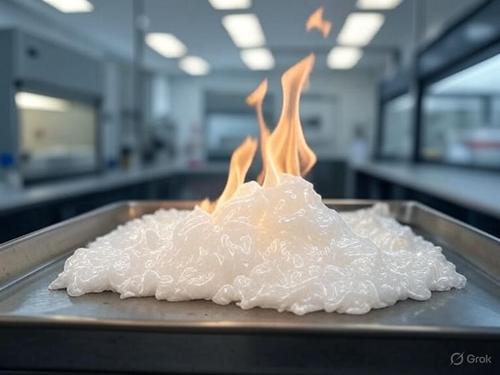
The researchers proposed a magnesium-based additive that does not contain harmful components. When polyethylene with this additive is burned, toxic melt droplets are not formed, and the amount of smoke is reduced. This makes the material less dangerous to human health and the environment.
The introduction of the additive into the plastic is carried out using standard industrial equipment used for the production and processing of polymer composites, which simplifies its integration into production.
One of the main advantages is its practical applicability. Specialists used compounds that already exist on the market. This made it possible to implement the method without significant changes in production equipment.
The new additive improves the performance characteristics of polyethylene. It is easy to integrate into plastic using standard production equipment. This simplifies the technological process.
Earlier www1.ru reported that turning recycled polyethylene into durable industrial material has been learned at SevSU.
Read materials on the topic:
- Plastic recycling was optimized in Yekaterinburg using radiation
- In Novosibirsk, a building material based on recycled polymer waste was developed
- In Mordovia, a super-strong polymer was created from multilayer packaging waste
Never miss our newsAdd this site to your preferred sources to see us more oftenAdd on Google

















